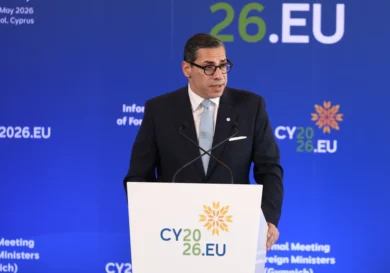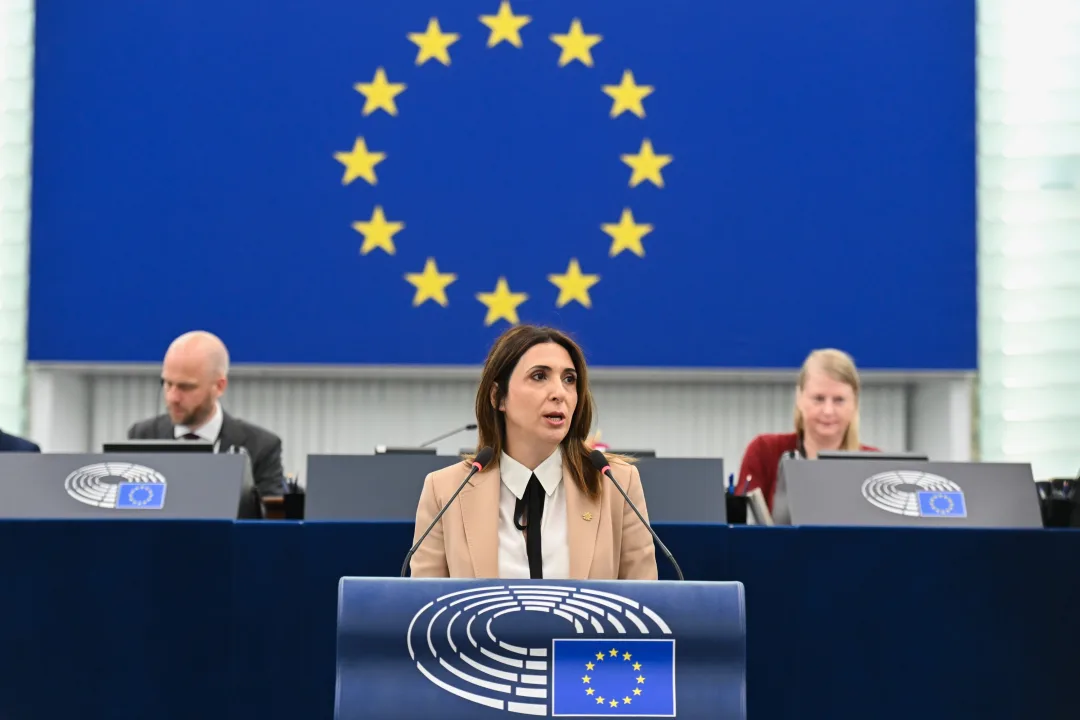
Brussels, Belgium. European Affairs Deputy Minister Marilena Raouna said administrative burdens on businesses remain too high and called for cutting red tape during a European Parliament debate on reforming the single market to boost competitiveness.
Call for simplification and estimated savings
Raouna said the EU has “successfully concluded the first three simplification omnibuses,” packages of legislative changes aimed at simplifying and reducing the volume of European legislation. She said that across ten legislative packages, the measures are expected to save approximately €15 billion for businesses and the economy, describing this as “real money back in the pockets of European companies.”
Simplification and internal trade barriers
Raouna said “simplification does not mean deregulation” and argued that measures will have limited effect unless barriers restricting trade between EU member states are addressed. She said barriers to the free movement of goods among member states cost growth, jobs, and competitiveness, adding that progress has been made but that work must continue “at full speed.”
Commission view of obstacles within the single market
The European Commission has referred to barriers between member states as “outdated product rules, slow standard-setting, and inconsistent national regulations,” saying these make it harder to sell, scale, or move goods and services across borders.
Scope of the simplification packages
The simplification omnibuses completed so far relate to regulations concerning sustainability, EU investments, and the common agricultural policy. The fourth omnibus, presented last September, concerns regulations related to small- and medium-sized businesses and digitalisation, while the fifth, presented in November, concerns defence readiness, and the sixth, also presented in November, concerns chemicals.
Further omnibuses presented in late 2024
In November, the commission presented the seventh omnibus, which concerns the digital sector. The final three omnibuses were presented in December and concern the environment, the automotive industry, and food safety.
What steps do you think the EU should prioritise to reduce administrative burdens while maintaining regulatory standards?