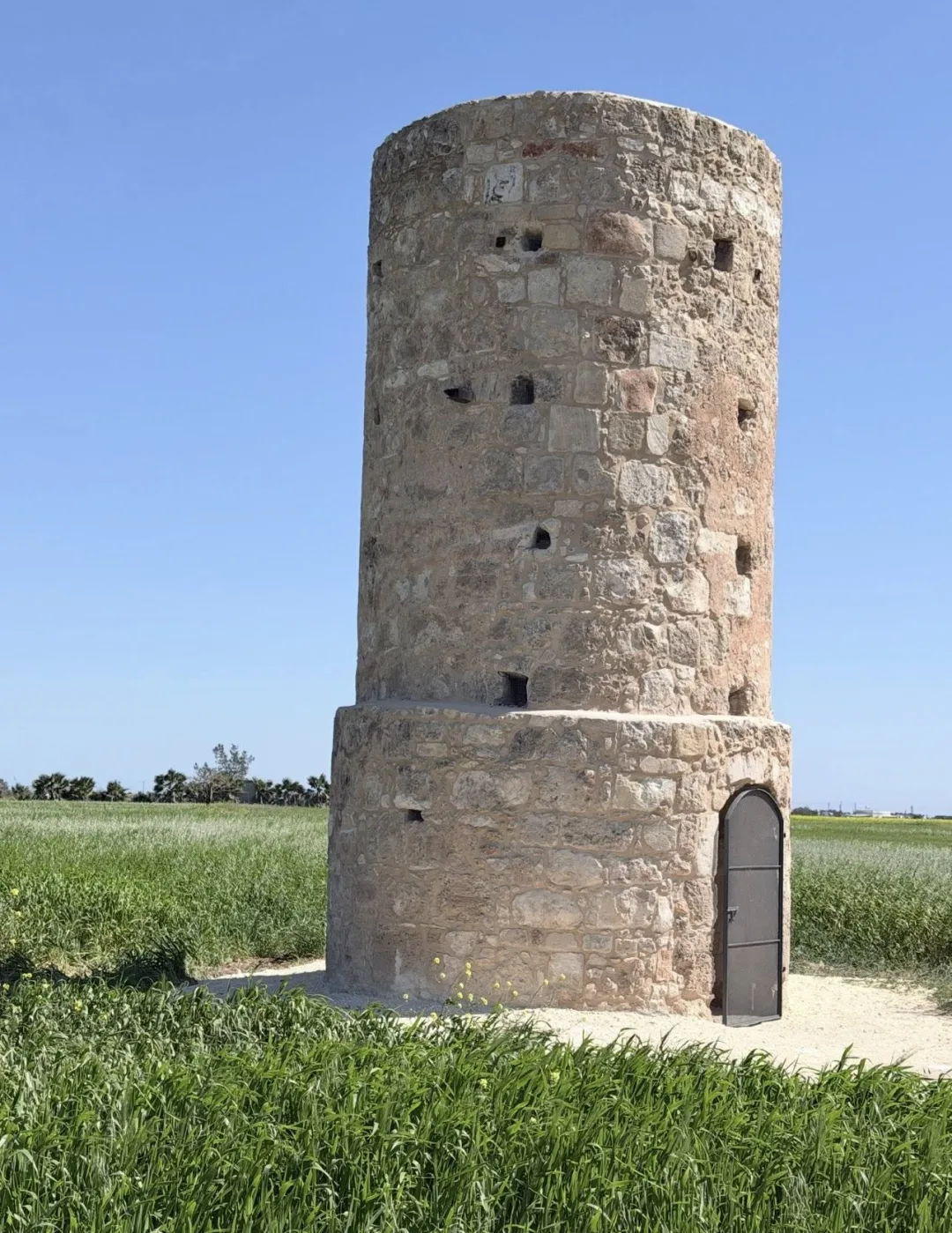
Limnia, Cyprus. Restoration work on the historic windmill in Limnia has been completed, the United Nations Development Programme confirmed on Saturday. The project is part of a wider effort to conserve cultural heritage sites across Cyprus, supported by the European Union and UNDP.
Project and committee statement
Ali Tuncay, co chairman of the Technical Committee on Cultural Heritage, said the project preserves elements of the island’s historical production systems and rural economy. He said the structures are among the important legacies reflecting the island’s historical culture of production, the local economy and adaptability to environmental conditions.
Location and community background
Limnia lies between Famagusta and Trikomo. The village was historically inhabited by Greek Cypriots who fled south following the Turkish invasion of 1974 and is now mainly populated by Turkish Cypriots displaced from villages in the Larnaca district.
Windmill’s historical role
The windmill, located in the Mesaoria plain, is a key example of Cyprus’ pre-industrial agricultural heritage, where rural communities used wind power to grind grain in areas without rivers suitable for watermills. In the Mesaoria and Karpass peninsula, open plains allowed strong inland winds to drive the milling mechanisms, producing flour for local consumption. The structure reflects the methods used by agricultural communities to harness natural forces to support their livelihoods.
What other cultural heritage sites across Cyprus would you like to see prioritised for restoration?