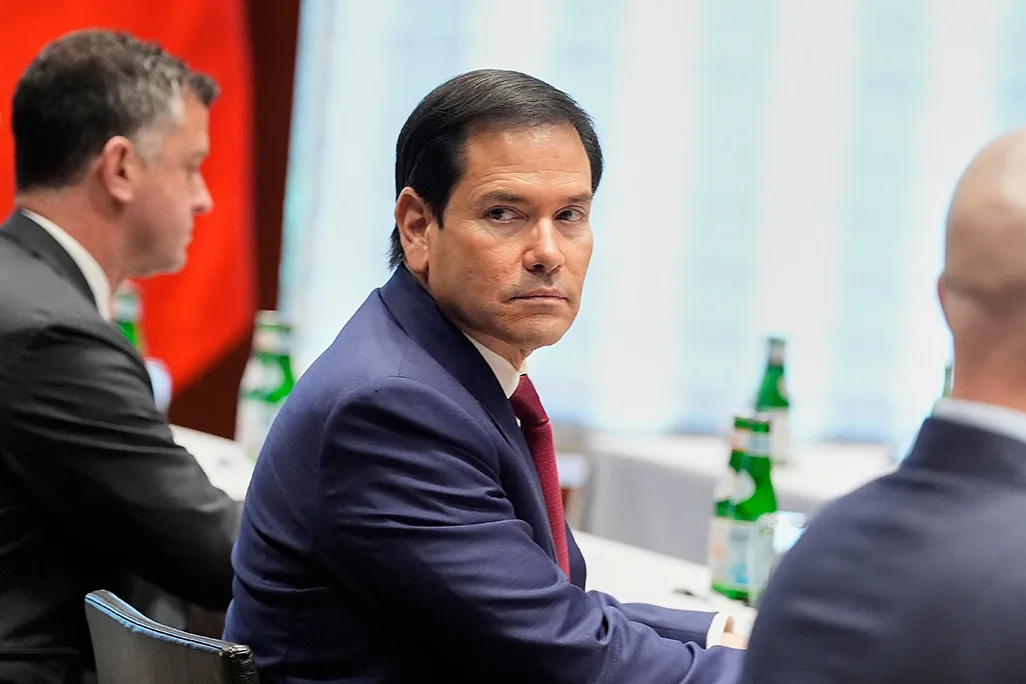
Munich, Germany. U.S. Secretary of State Marco Rubio said transatlantic ties faced a “defining moment” in a rapidly changing world as he prepared to travel to the Munich Security Conference. His comments struck a warmer tone ahead of the meeting after a year of unprecedented upheaval.
Rubio outlines shift in global order
Speaking before departing for Munich, Rubio said the world was changing rapidly and required governments to re-examine their roles. He said “the Old World is gone” and described the current period as a new era in geopolitics.
Rubio said the United States remained “deeply tied to Europe,” adding that their futures had been linked and would continue to be. He said both sides needed to discuss what that future would look like.
Last year’s conference and allied response
At last year’s gathering, Vice President JD Vance attacked European allies, triggering a series of confrontations, with the United States seemingly set on dismantling much of the international order it helped to build.
In response, Washington’s partners have pushed to chart a more independent course while preserving the basis of the alliance, citing threats ranging from Russia’s war in Ukraine to major disruptions in global trade.
Conference held amid multiple conflicts
This year’s meeting comes against a backdrop of multiple conflicts, including wars in Ukraine, Gaza and Sudan.
Transatlantic ties have long been central to the Munich Security Conference, which began as a Cold War forum for Western defence debate, but the assumption of cooperation that underpinned it has been upended.
Wolfgang Ischinger, a former German diplomat who heads the forum, said this week that “wrecking-ball politics” had become prevalent, with “sweeping destruction – rather than careful reforms and policy corrections – is the order of the day”.
How do you think the United States and Europe should define their future relationship in this new era in geopolitics?