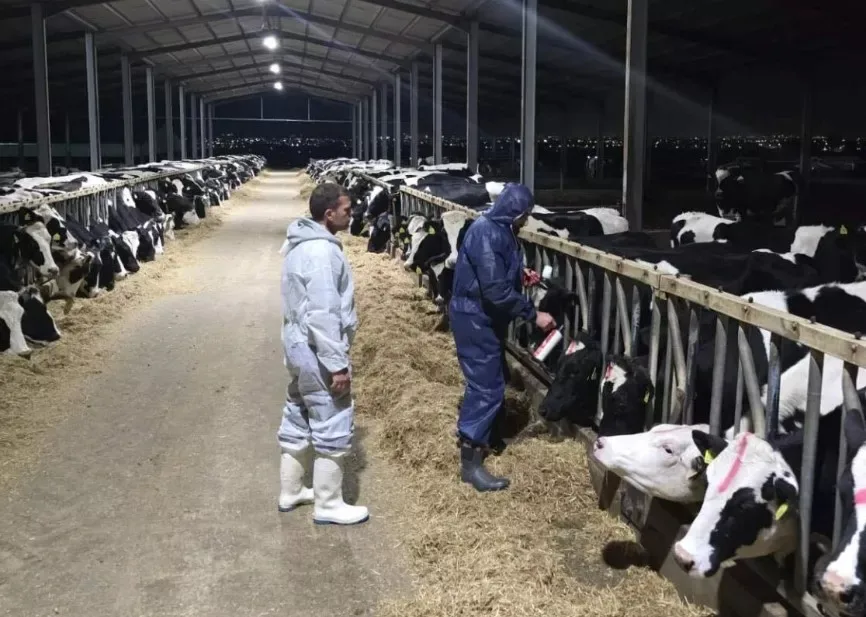
Novosibirsk, Russia. Russian authorities are carrying out mass culls of cattle in Siberia over an outbreak they attribute to pasteurellosis and rabies, while a US government report has raised the possibility that foot-and-mouth disease may be involved.
Thousands of animals have been culled, prompting rare protests and calls from farmers for the resignation of senior agriculture officials, Reuters reported.
Culls and protests in the Novosibirsk region
Culls continued on Friday in the village of Kozikha, 70 kilometres southwest of Novosibirsk, according to witness accounts and multiple videos from the area, Reuters said.
The Novosibirsk region declared a state of emergency earlier in the week. Protester Svetlana Panina, who said she lost 150 head of cattle in the culling, posted a video on Friday stating she had been briefly detained for questioning as a witness in a case involving an arson attack at an animal burial site.
Officials cite pasteurellosis and rabies
Sergei Dankvert, head of the government commission investigating the outbreak, told Komsomolskaya Pravda newspaper that the situation was more complex than initially acknowledged.
“This concerns an outbreak of a dangerous infectious disease, pasteurellosis, complicated by other illnesses, and incurable rabies,” he said, without specifying the other illnesses. Dankvert added that laboratory tests showed the pasteurellosis involved had mutated and was behaving more aggressively than usual.
Dankvert defended the scale of the response, saying, “In such a situation, the only way to stop the spread is the rapid removal and destruction of sick and suspect animals, as is done worldwide.”
US report cites local sources and trade contacts
The US Department of Agriculture’s Foreign Agriculture Service (FAS), in a report published on Friday, cited local sources and trading contacts who alleged that the scale of the culling measures “may indicate an unconfirmed outbreak of foot-and-mouth disease.”
The FAS report said the authorities’ response had “raised concerns about the adequacy of current vaccines and the potential impact on Russia’s cattle trade.” It also published an official Russian document dated 25 February showing a ban on all livestock exports from 15 affected regions in Siberia and central Russia.
Trade implications and Russian response
Russia obtained recognition from the World Organisation for Animal Health (WOAH) in 2025 as a foot-and-mouth-free territory, a status linked to its agricultural export ambitions. President Vladimir Putin has ordered officials to increase agricultural exports by 50% by 2030, and any confirmed presence of foot-and-mouth disease could affect that goal, according to the report.
Russia’s agriculture watchdog rejected the USDA’s claims, telling Reuters they “were not true” and urging reliance on WOAH reports rather than anonymous sources. The watchdog said planned vaccinations against foot-and-mouth disease have been conducted in the Novosibirsk region since 2022 and are routinely monitored.
The Agriculture Ministry said Russia reports all cases of diseases requiring such reporting to WOAH. Both the ministry and the watchdog said ongoing foot-and-mouth disease vaccinations in neighbouring Kazakhstan are unrelated to the Russian pasteurellosis outbreaks.
What questions do you have about how the reported outbreak and culls could affect livestock trade restrictions?