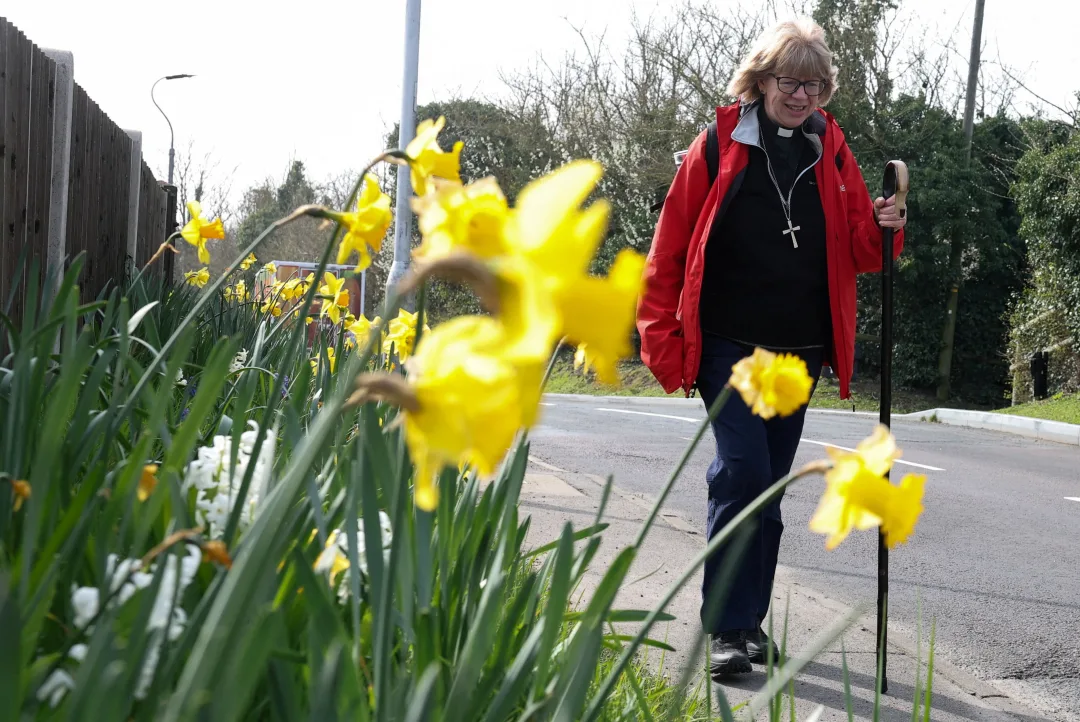
Canterbury, United Kingdom. Sarah Mullally will be enthroned as the Church of England’s first female Archbishop of Canterbury in a ceremony at Canterbury Cathedral on Wednesday, becoming the spiritual leader of 85 million Anglicans worldwide.
“I recognise the significance of being the first female Archbishop,” Mullally told BBC News ahead of the service, adding the ceremony would feature women’s voices.
Enthronement service and attendees
Marking the start of her public ministry, the service will seat the former nurse and civil servant in the 13th-century Chair of St Augustine before some 2,000 guests, including heir-to-the-throne Prince William and his wife Kate, Prime Minister Keir Starmer and religious leaders.
“It’s a huge moment for the Church… I don’t think any of us thought we’d have a female Archbishop this quickly,” Bishop Rachel Treweek, who was consecrated alongside Mullally in 2015 among the Church of England’s first women bishops, told Reuters.
Communion tensions and leadership proposals
Mullally’s appointment in October drew sharp criticism from a conservative grouping of Anglican churches in mostly African and Asian countries called Gafcon, though the bloc this month abandoned earlier plans to name a parallel figurehead to Mullally, establishing a new council instead.
A representative body within the global Communion also scrapped a previous proposal for a rotating presidency following concerns about potential rivalry with the Archbishop of Canterbury.
Role of the Archbishop and wider divisions
Tensions between progressive and conservative Christians are not unique to Anglicanism, but the Archbishop’s role is largely symbolic and dependent on persuasion, unlike the Pope, who wields clear authority over Catholics worldwide.
“Anyone who became Archbishop of Canterbury, there would always be issues with some parts of the wide Anglican Communion … This isn’t new”, Treweek said.
Ceremony and global symbolism
Recent Archbishops have struggled to balance the complexities of the Archbishop’s position and bridge divisions over LGBTQ+ and women’s leadership between England’s now more progressive church and more traditionalist provinces elsewhere.
What do you think Mullally’s enthronement will mean for relations across the Anglican Communion?