Beirut, Lebanon. More than a year after a ceasefire nominally ended fighting, southern Lebanon is showing extensive ecological damage linked to the 2024 war between Hezbollah and Israel. Farmland, forests and livelihoods have been damaged, while shrapnel and unexploded bombs remain.
Ecological scars and hazards
Avocado orchards have been lost and beehives destroyed, affecting the livelihoods they supported. Fields and forests have disappeared under intense fire linked to white phosphorus shelling, and areas remain littered with shrapnel and unexploded bombs.
Scale of the conflict and human toll
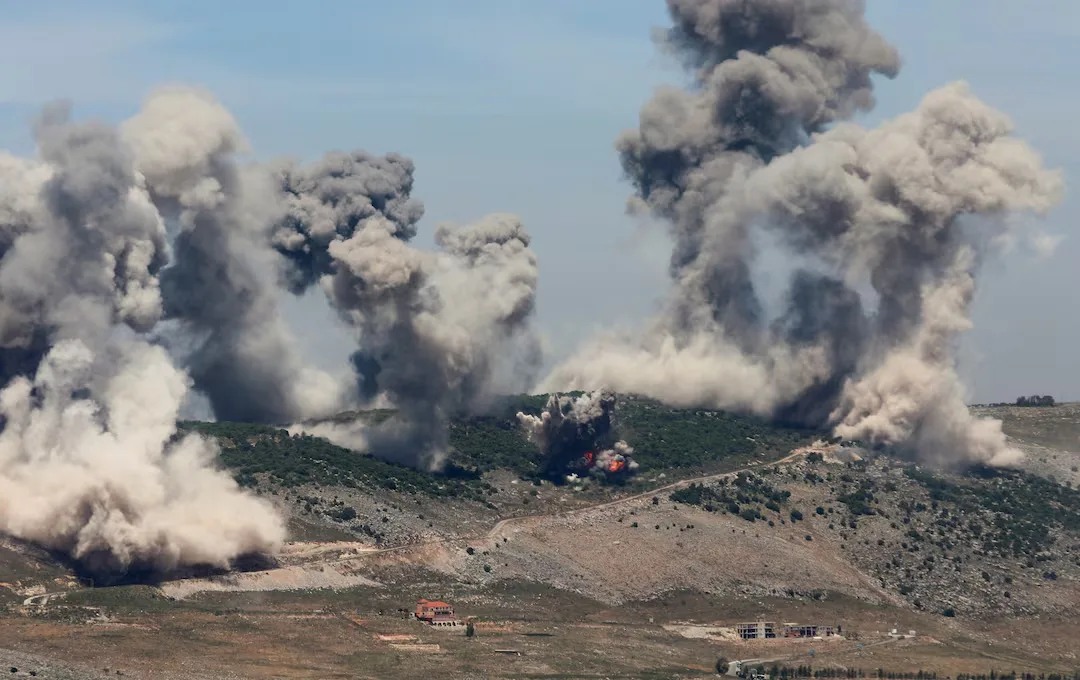
The 2024 conflict between Hezbollah and Israel included Israeli airstrikes from October to November that ranked among the highest globally in the 21st century. More than 4,000 people were killed, more than 17,000 were injured, and 1.2 million civilians were displaced internally.
Damage to land, water and infrastructure
Farmlands, olive groves and pine forests were extensively burned by Israel’s airstrikes, while water resources were polluted. Pipelines and waste management systems were partially or completely destroyed, and ordnance and debris left toxic dust and hazardous chemicals across affected areas.
Long-term impact and reconstruction costs
The environmental damage is expected to have long-term consequences for agriculture, the economy and people’s mobility. Repairing the damage would involve a multi-year reconstruction project costing an estimated US$11 to $14 billion, according to a World Bank assessment.
Claims of breaches of international law
Experts in Middle East studies and environmental law said the destruction indicates a grave breach of international environmental law and raises the question of whether Israel committed war crimes in Lebanon by deliberately targeting natural resources and engaging in environmental warfare.
Reported losses and white phosphorus allegations
Lebanon lost around 1,910 hectares of prime farmland, 47,000 olive trees and around 1,200 hectares of oak forests during the latest war, the sixth Israeli invasion of Lebanon since 1978, according to Lebanese state figures.
Amnesty International said Israel used white phosphorus, a highly reactive chemical that burns at extremely high temperatures when exposed to air. The organisation said international humanitarian law does not necessarily ban its use for military necessity, but dictates that white phosphorus must never be used against civilians.
Amnesty International’s Citizen Evidence Lab data suggested Israel deliberately used white phosphorus in densely populated villages in southern Lebanon to push civilians out and make their lands unusable. It said many civilians were killed and several suffered long-term injuries, including respiratory damage and severe burns.
Environmental effects on agriculture, forests and wildlife
White phosphorus destroyed fruit, vegetable and olive harvests, burned agricultural lands and left them polluted, according to the report. It also ignited large-scale fires that ravaged oak and pine forests and devastated wildlife, destroying natural habitats and pushing already stressed species such as striped hyenas, golden jackals and Egyptian mongoose into residential areas, where they face increased risk of being killed.
How should the environmental damage in southern Lebanon be documented and addressed during reconstruction?