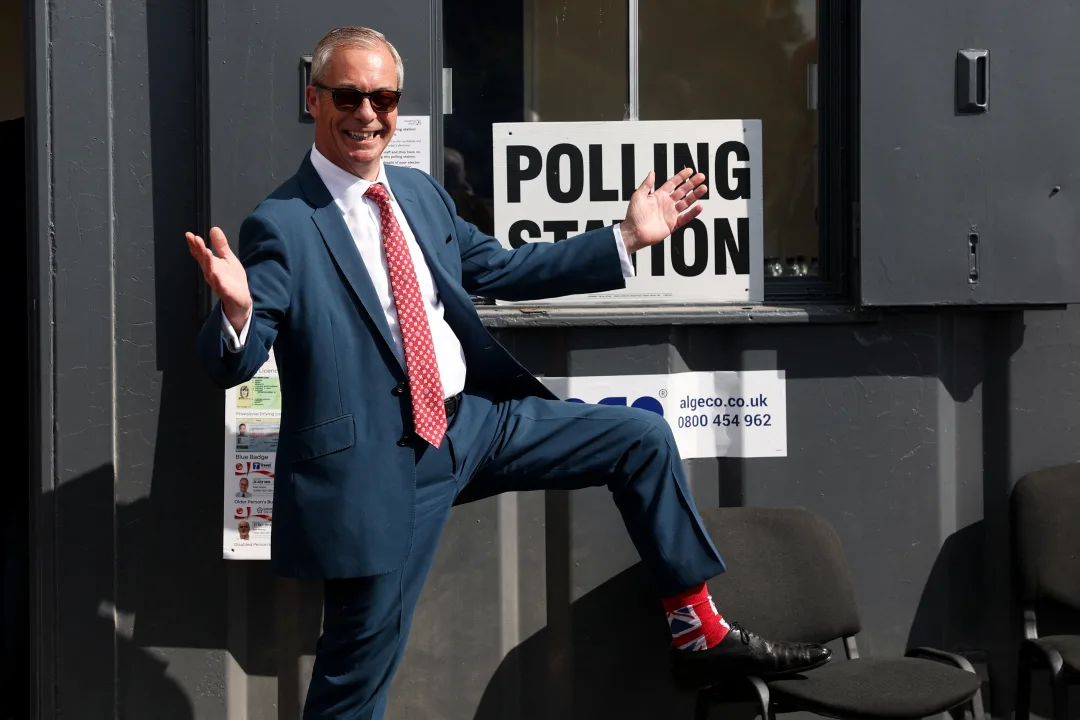
London, United Kingdom. British Prime Minister Keir Starmer suffered heavy early losses in elections on Friday, signalling voter anger with his government and raising new doubts about his future. Labour lost support in parts of England, including traditional strongholds and some areas of London.
Labour losses and Reform UK gains
Starmer’s Labour Party haemorrhaged support in areas reporting results overnight, including former industrial regions of central and northern England, along with some parts of London.
The main beneficiary was the anti-immigration populist Reform UK, led by Brexit campaigner Nigel Farage, which gained more than 200 council seats in England. Reform UK could form the main opposition in Scotland and Wales to the pro-independence Scottish National Party and Plaid Cymru.
“The picture has been pretty much as bad as anyone expected for Labour, or worse,” said John Curtice, described as Britain’s most respected pollster.
Key test before the next general election
The elections for 136 local councils in England, alongside the devolved parliaments in Scotland and Wales, represent the most significant test of public opinion before the next general election due in 2029.
Labour lawmakers said that if the party performs poorly in Scotland, loses power in Wales, and fails to hold many of the roughly 2,500 council seats it is defending in England, Starmer will face renewed pressure to quit or set out a timetable for his departure.
Fragmentation of the two-party system
Early results indicated continued fracturing of Britain’s traditional two-party system into a multi-party democracy, which analysts said represents one of the biggest transformations in British politics in the last century.
Labour and the Conservative Party were losing votes to Reform and, on the other end of the political spectrum, to the left-wing pro-environment Green Party. Nationalist parties were expected to win the elections in Scotland and Wales.
Farage said the results so far were “way exceeding” his expectations and represented a “historic change in British politics”.
How do you think these early election results will shape party strategies ahead of the 2029 general election?