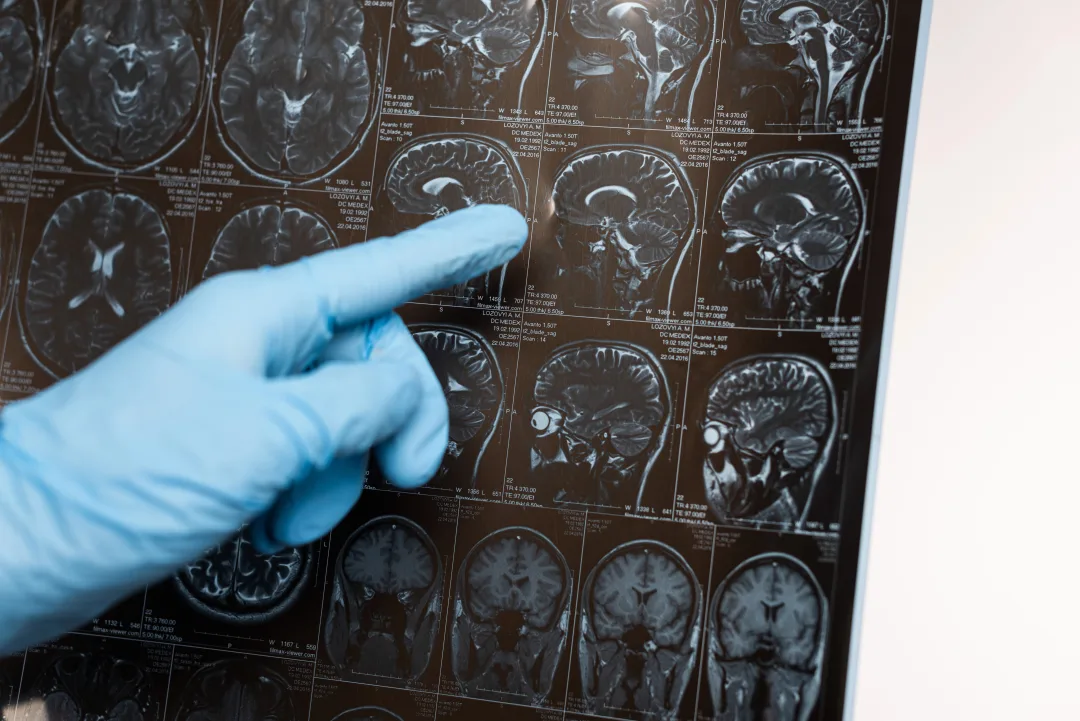
Nicosia, Cyprus. Drugs used to treat metabolic disorders such as Type 2 diabetes alleviated symptoms of Alzheimer’s disease in mice, according to a study led by the Cyprus Institute of Neurology and Genetics (CING). The researchers said the timing and length of treatment may be key to achieving comparable results in humans.
Study findings and published results
The August 2025 study, published in the journal ‘Frontiers in Neuroscience’, reported that two FDA-approved drugs restored cognitive function in affected mice after five months of treatment. The drugs were Alirocumab, which modulates Low-Density Lipoprotein (LDL) cholesterol, and Gliclazide, which reduces blood sugar by promoting insulin release in the body.
The study found improvements in working memory and spatial learning in the treated mice.
Alzheimer’s and links to metabolic disorders
Alzheimer’s, a neurodegenerative disorder, is characterised by a chronic loss of brain function due to protein plaques called amyloids that accumulate between brain cells, leading to memory impairment, cognitive decline and eventual death.
The study referenced existing research indicating that dysregulated metabolism of fat and sugar contributes to the creation of amyloids in the brain, linking the disease with metabolic disorders, including Type 2 diabetes.
“We used to think the brain was shut off, by itself, and then there was the rest of the body. But it doesn’t work like that,” said Dr Elena Panayiotou Worth, associate scientist at the Neuropathology Department of CING and lead author of the study.
“We’ve spent billions trying to solve Alzheimer’s by thinking this way and it hasn’t been solved,” she said. “The gut is a bridge to the brain. We need to keep the gut healthy so that the brain can be healthy.”
Maze testing and plaque analysis
Researchers tested the ability of mice with Alzheimer’s to navigate a maze. Diseased mice receiving no medication performed worse than healthy mice in learning their environment.
Diseased mice receiving a daily pill of Gliclazide performed as well as healthy mice, while Alzheimer’s mice treated with an Alirocumab injection every 10 days performed significantly better than healthy mice.
Molecular analysis found that both treatment groups had fewer protein plaque formations between brain cells compared with untreated mice.
“We saw amazing results,” said Panayiotou Worth. “They looked and behaved like regular mice. If you tested them and you didn’t previously know they had Alzheimer’s, you wouldn’t have known. It’s like they became super mice.”
Broader context and clinical observations
According to the World Health Organisation, 57 million people were diagnosed with dementia in 2021, with an estimated 10 million new cases added each year. Alzheimer’s, the most common form of dementia, accounts for 60-70 per cent of these cases. Diabetes cases increased from 200 million in 1990 to 830 million in 2022.
Maria Constantoula, a clinical psychologist at Ithaki charity organisation in Nicosia, a day care centre for people with dementia, said Alzheimer’s is a culmination of genetic and environmental factors. She said she has observed that visitors with both Alzheimer’s and Type 2 diabetes often have more difficulty with emotional regulation and coordination, especially during diabetic flare ups.
“You can see that those people with diabetes are more vulnerable – they tend to have more loss of concentration and exhibit more confusion,” Constantoula said.
What do you think researchers should prioritise when assessing whether these mouse findings could translate to humans?