Washington, United States. The administration of President Donald Trump announced the repeal of a scientific finding that greenhouse gas emissions endanger human health, removing the legal basis for federal climate regulations. It also ended federal greenhouse gas emission standards for all vehicles and engines of model years 2012 to 2027.
Rollback of federal climate regulation
The move was described as the most sweeping climate change policy rollback by the administration to date, following regulatory cuts and other actions aimed at expanding fossil fuel development and slowing the rollout of clean energy.
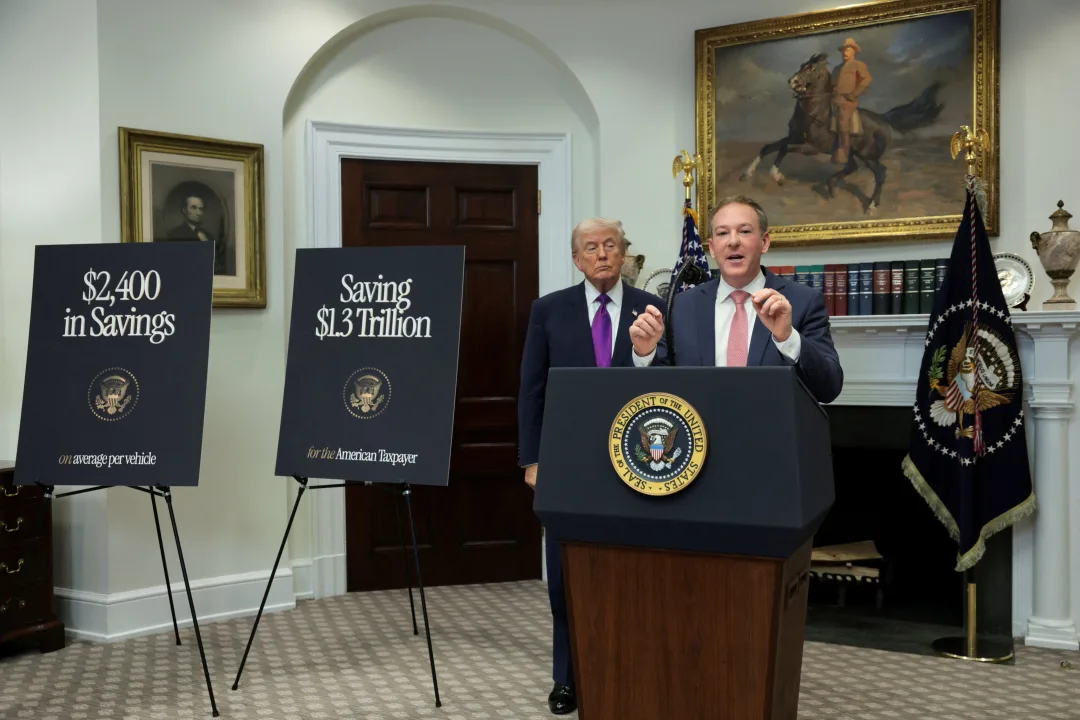
Trump announced the repeal alongside EPA Administrator Lee Zeldin and White House Budget director Russ Vought. “Under the process just completed by the EPA, we are officially terminating the so-called endangerment finding, a disastrous Obama-era policy that severely damaged the American auto industry and drove up prices for American consumers,” Trump said.
Background on the endangerment finding
The endangerment finding was adopted by the United States in 2009 and led the EPA to take action under the Clean Air Act of 1963 to curb emissions of carbon dioxide, methane, and four other heat-trapping air pollutants from vehicles, power plants, and other industries.
The repeal would remove regulatory requirements to measure, report, certify, and comply with federal greenhouse gas emission standards for cars, but may not initially apply to stationary sources such as power plants.
Emissions shares and claimed savings
The transportation and power sectors are each responsible for around a quarter of U.S. greenhouse gas output, according to EPA figures.
The EPA said the repeal will save U.S. taxpayers 1.3 trillion by eliminating both the endangerment finding and all federal greenhouse gas emission standards for vehicles.
Industry response
The article said many industry groups support the repeal of stringent vehicle emission standards, but have been reluctant to publicly back rescinding the endangerment finding because of the legal and regulatory uncertainty it could create.
How do you think the repeal will affect federal oversight of greenhouse gas emissions in the United States?