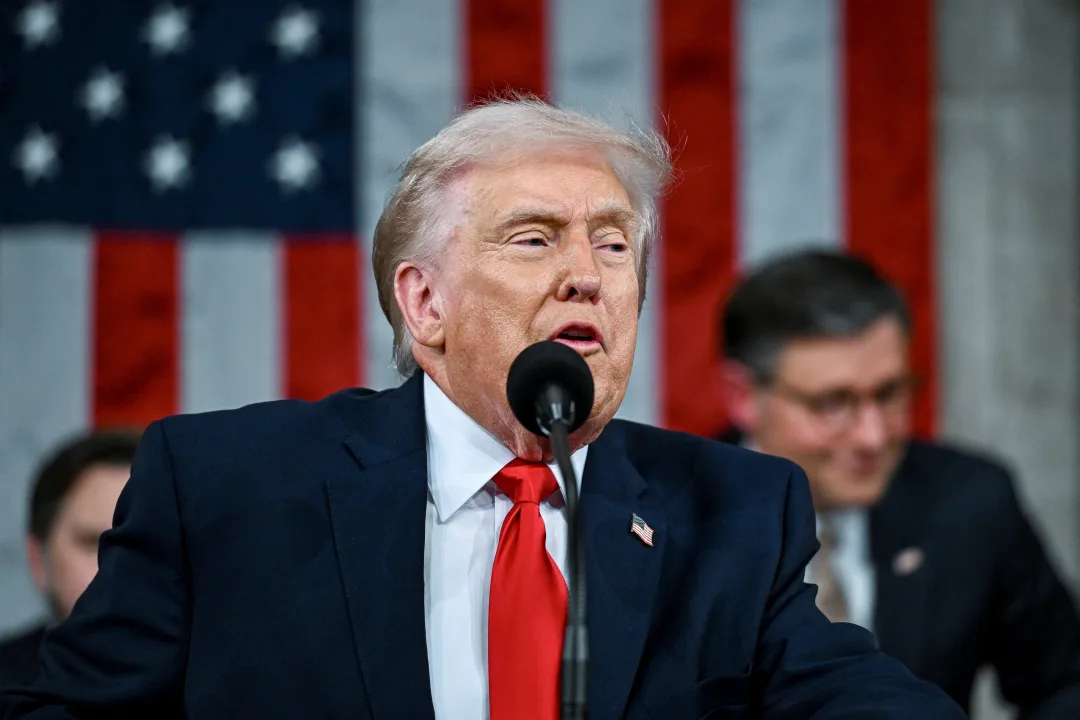
Washington, United States. President Donald Trump ordered a large-scale U.S. attack on Iran alongside Israel, escalating a crisis that analysts warned could become a prolonged conflict with broader regional consequences. Trump announced on Saturday that Iran’s Supreme Leader Ayatollah Ali Khamenei had been killed, a claim not confirmed by Iran.
Escalation and limited public explanation
Trump provided little explanation to the American public as the crisis unfolded, despite the possibility that the operation could become the biggest U.S. military campaign since Afghanistan and Iraq. The strikes marked a shift away from swift, limited operations, such as last month’s raid in Venezuela, toward what experts warned could be a more protracted conflict with Iran.
Regime-change objective and doubts about outcomes
Trump, who came to office last year promising to avoid “stupid wars,” set an objective of regime change in Tehran and argued that air strikes could incite a popular uprising to oust Iran’s rulers. Analysts said outside air power has not directly achieved such an outcome in other conflicts without the involvement of armed forces on the ground, and most doubt it will succeed in Iran.
Khamenei’s death, if confirmed by Iran, would represent a major blow to a leader who has been in power since 1989, but it would not necessarily end Iran’s clerical rule or the influence of the Revolutionary Guards.
Concerns about goals and regional fallout
“Most Americans will wake up Saturday morning and wonder why we are at war with Iran, what is the goal, and why U.S. bases in the Middle East are under attack,” said Daniel Shapiro, a former senior Pentagon official and U.S. ambassador to Israel who is now at the Atlantic Council think-tank in Washington.
Domestic political risks and midterm elections
Trump’s focus on Iran has become a prominent example of how foreign policy and expanded military action have dominated his agenda in the first 13 months of his second term, often overshadowing domestic issues such as the cost of living, which opinion polls show are higher priorities for most Americans. His aides have privately urged him for weeks to focus more on economic concerns, citing political risks ahead of November’s midterm elections, when Republicans could lose one or both chambers of Congress.
What do you think the U.S. administration should clearly communicate to the public about its goals in Iran?