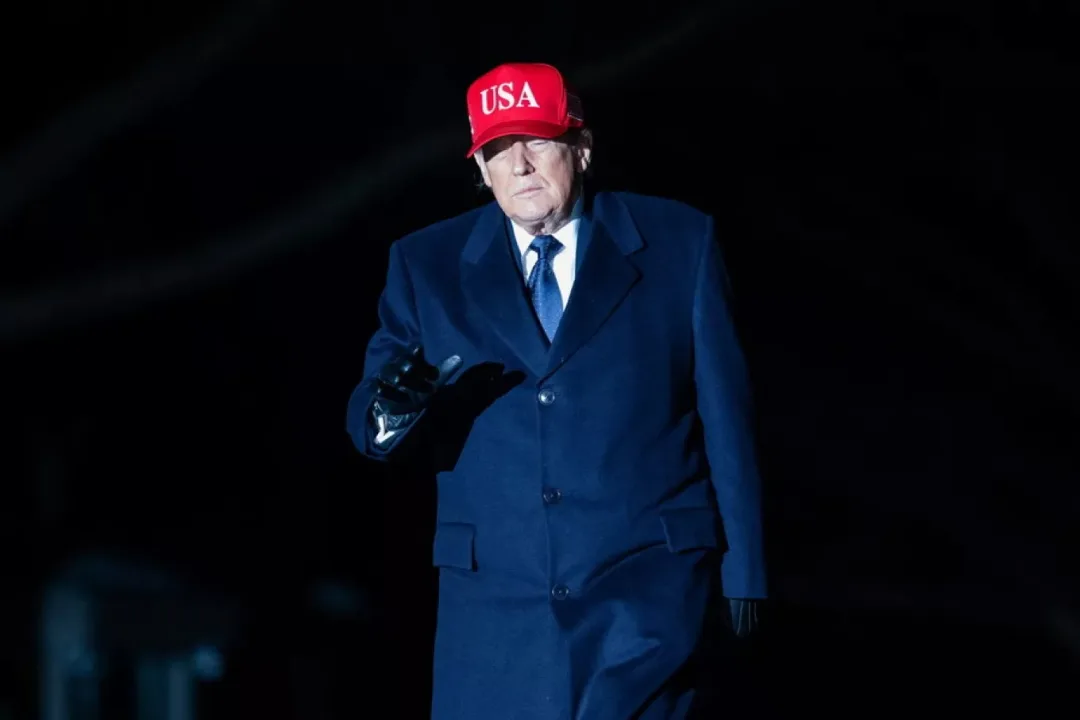
Washington, United States. Donald Trump said he believes the war with Iran will be over soon, though differing objectives within his administration and Iran’s continued defiance have left his exit strategy unclear.
Trump signals a possible shift in tone
In a phone interview with CBS News on Monday, Trump said: “I think the war is very complete, pretty much … we’re very far ahead of schedule.” The remarks contrasted with earlier statements in which he said the conflict would continue until Iran’s “unconditional surrender,” which has not occurred as Tehran continues missile and drone attacks.
Market reaction and political pressures
The comments appeared aimed at calming financial markets. Oil briefly traded above $100 a barrel for the first time since 2022 on Monday, and stock markets fell, before stabilising the following day.
The economic incentive for an early end is significant, with U.S. midterm elections due in November. Trump’s domestic political advisers are concerned higher oil prices could drive inflation and harm Republican prospects.
Competing objectives inside the administration
Assessing whether the conflict is a success depends on which goals are used as the benchmark, and different figures in the administration have described different aims.
The Pentagon has described its objectives as destroying Iran’s missile capabilities, its navy and its nuclear programme. Trump has frequently spoken in terms suggesting he would accept nothing less than a fundamental change of leadership in Tehran.
Iran’s response and questions over outcomes
Trump has at times called for “Iranian patriots who yearn for freedom to seize this moment,” while also drawing a parallel with Venezuela, where the U.S. deposed President Nicolás Maduro in January and installed a preferred successor, suggesting a figure from within Iran’s existing government might be acceptable if policies changed.
Iran has shown no signs of internal fracture, according to the account. After the killing of Supreme Leader Ali Khamenei on 28 February, Tehran installed his 56-year-old son as replacement, despite Trump previously saying: “I’m not going through this to end up with another Khamenei.” After eleven days of bombardment by two of the most powerful air forces in the world, Iran was described as still fighting back.
A case could be made that the Pentagon’s narrower goal of degrading Iran’s military has been partially achieved, but that may appear underwhelming relative to Trump’s initial ambitions, and could complicate efforts to justify the conflict’s costs if Iran’s government remains intact and able to rebuild.
Financial, diplomatic and economic costs
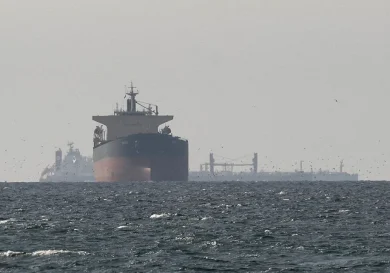
Financial outlays are estimated at between $1 billion and $2 billion a day, and it may take years to replenish U.S. munitions stocks. The conflict has also brought diplomatic and reputational costs, as well as broader economic damage from energy disruption and the risk of entrenching a cycle of future confrontation.
What do you think should be used as the benchmark for judging whether the war has been a success?