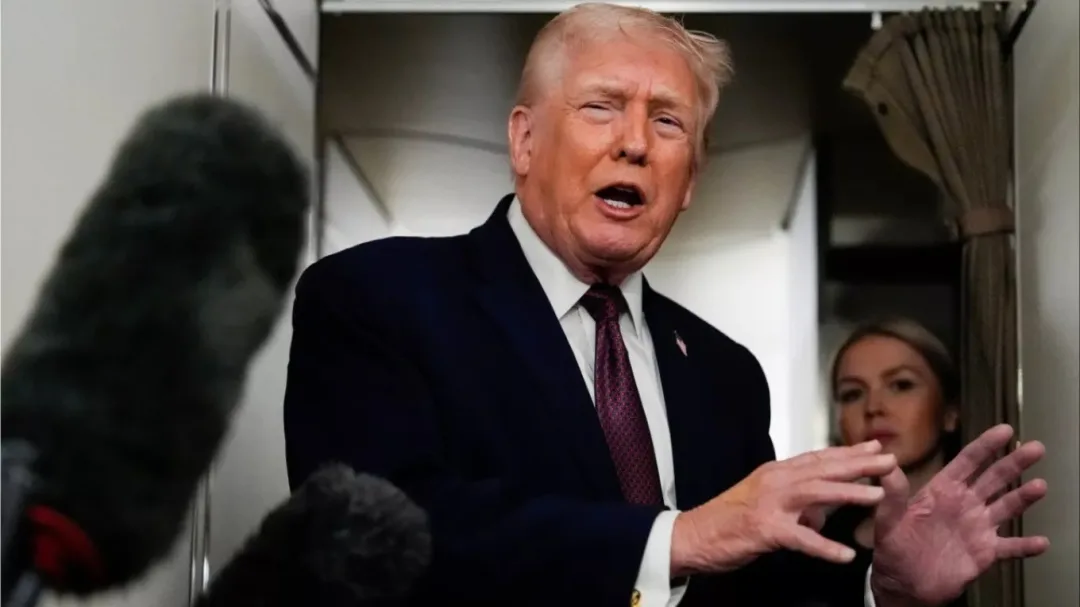
Washington, United States. Donald Trump will chair the first meeting of his “Board of Peace” on Thursday, a U.S.-led initiative initially conceived to oversee Gaza’s reconstruction that has since expanded its ambitions to global peacemaking. The initiative has drawn opposition from major Western powers and criticism from rights experts.
Origins and leadership
Trump first proposed the board last September alongside his plan to end Israel’s war in Gaza, later expanding its remit to conflicts worldwide, with himself as chair. The role has traditionally fallen to the United Nations.
Under the board’s charter, member states serve three-year terms unless they pay $1 billion each to secure permanent membership. The White House named U.S. Secretary of State Marco Rubio, special envoy Steve Witkoff, former British Prime Minister Tony Blair and Trump’s son-in-law Jared Kushner to its founding Executive Board.
U.N. Security Council resolution and Gaza mandate
A U.S.-drafted United Nations Security Council resolution passed in November recognised the board and authorised it to deploy a temporary International Stabilisation Force in Gaza, with its scope limited to the territory through 2027. The board must report to the Security Council every six months.
Beyond Gaza, however, it remains unclear what legal authority or enforcement tools the board will have, or how it will interact with the U.N. and other international bodies.
Membership and notable absences
More than two dozen countries have signed on as founding members, including Israel, Saudi Arabia, Egypt, Qatar, Turkey and the United Arab Emirates. Further afield, members include Argentina, Belarus, El Salvador, Hungary, Indonesia, Pakistan and Vietnam, among others.
Notable absentees include most of Washington’s key Western allies. Britain, France, Germany, the European Union, Norway and Sweden have all declined to join, as have major Global South powers Brazil, India, Mexico and South Africa. China and Russia, both veto-wielding Security Council members, have also stayed out. The Vatican said conflict resolution should remain the domain of the United Nations.
Brazil and Mexico cited the absence of Palestinian representation as their reason for declining. Trump rescinded Canada’s invitation last month following a dispute with Prime Minister Mark Carney.
Rights criticism and controversy
Rights experts have said the board’s structure, with Trump overseeing the governance of a foreign territory, resembles a colonial arrangement. They have also criticised the exclusion of Palestinian representatives from a body meant to supervise a Palestinian territory, and questioned the inclusion of Israel given the scale of devastation its military campaign has inflicted on Gaza.
Israel has said its actions were taken in self-defence following the Hamas-led attack of October 2023, in which around 1,200 people were killed and more than 250 taken hostage.
The board has drawn further scrutiny over the membership of countries with widely criticised human rights records, and over Blair’s inclusion given his role in the Iraq war and the history of British imperialism in the Middle East.
What impact do you think the board’s membership rules and lack of Palestinian representation could have on its credibility?