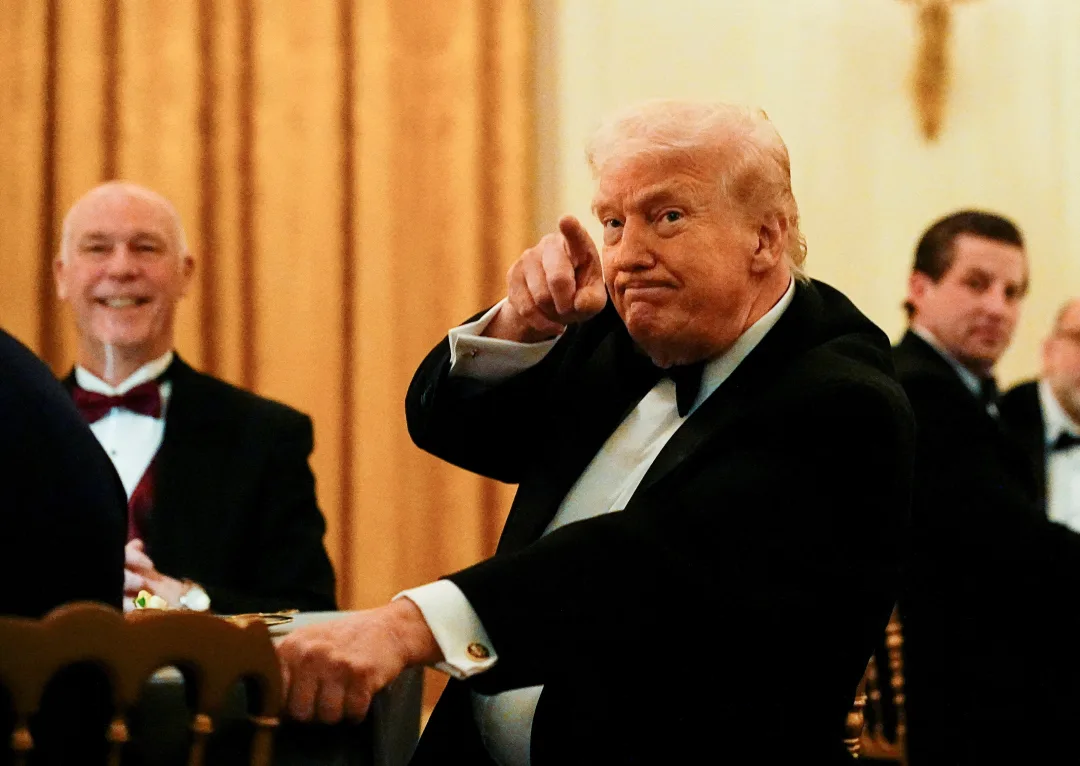
Washington, United States. President Donald Trump said on Saturday he will raise a temporary tariff on U.S. imports from all countries from 10% to 15%, the maximum level allowed under the law, after the U.S. Supreme Court struck down his previous tariff program.
Tariff increase follows court decision
The move came less than 24 hours after Trump announced a 10% across-the-board tariff on Friday following the court’s decision. The ruling found the president had exceeded his authority when he imposed an array of higher rates under an economic emergency law.
Section 122 invoked for new levies
The new levies are grounded in a separate but untested law known as Section 122, which allows tariffs up to 15% but requires congressional approval to extend them after 150 days. No president has previously invoked Section 122, and its use could lead to further legal challenges.
Congressional outlook and public opinion
Trade experts and congressional aides are skeptical the Republican-majority Congress would extend the tariffs, citing polls that show growing numbers of Americans blame the duties for higher prices.
Administration plans and exemptions
In a social media post on Saturday, Trump said he would use the 150-day period to work on issuing other “legally permissible” tariffs. The administration intends to rely on two other statutes that permit import taxes on specific products or countries based on investigations into national security or unfair trade practices.
“I, as President of the United States of America, will be, effective immediately, raising the 10% Worldwide Tariff on Countries, many of which have been ‘ripping’ the U.S. off for decades, without retribution (until I came along!), to the fully allowed, and legally tested, 15% level,” he wrote in a Truth Social post.
The Section 122 tariffs include exemptions for certain products, including critical minerals, metals and energy products, according to the White House.
Wendy Cutler, a former senior U.S. trade official and senior vice president at the Asia Society think tank, said she was surprised Trump had not opted for the maximum Section 122 rate on Friday, adding that his rapid-fire change underscored the uncertainty trading partners faced.
Supreme Court ruling details
The Supreme Court’s decision, authored by Chief Justice John Roberts, concluded the law Trump had used for most of his tariffs, the International Emergency Economic Powers Act, did not grant the president the powers he claimed.
Roberts was joined in the majority by fellow conservatives Neil Gorsuch and Amy Coney Barrett, both Trump appointees, and the court’s three liberal justices.
How do you think the 150-day timeline and congressional approval requirement could affect U.S. trade policy?