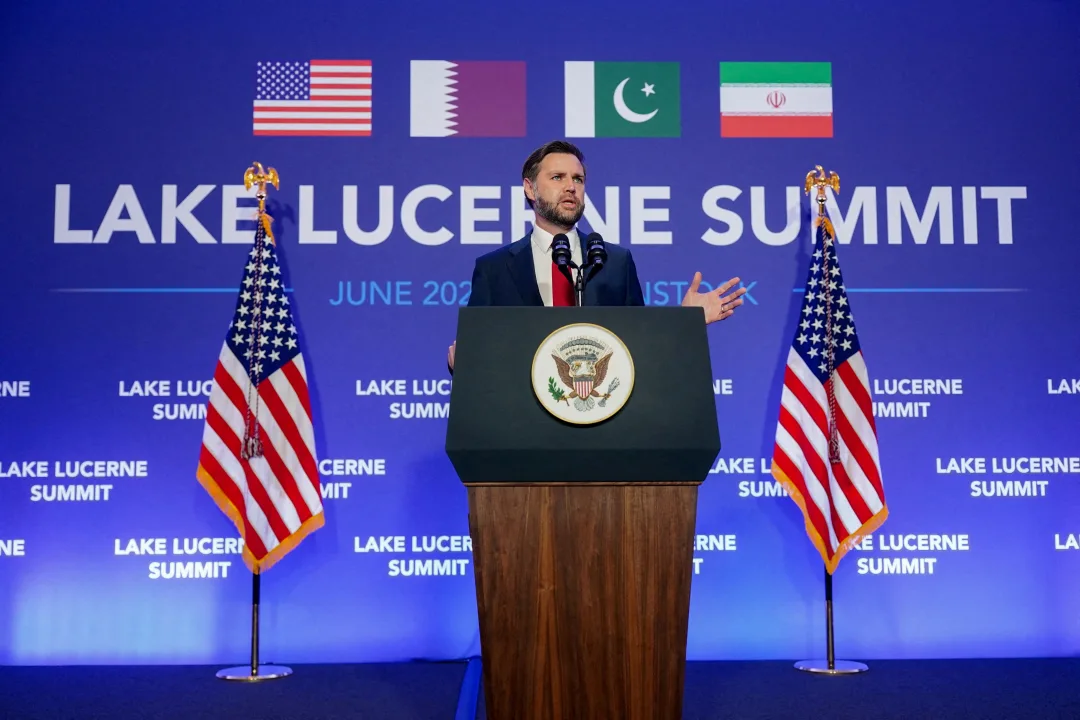
Buergenstock, Switzerland. The United States and Iran made what mediators described as encouraging progress in their first round of talks aimed at reaching a final peace deal. The sides agreed on a roadmap toward a lasting agreement within 60 days, though tensions remained over Lebanon and the Strait of Hormuz.
Talks conclude with roadmap
The talks were held at the Qatari-owned Swiss mountain resort of Buergenstock and concluded early on Monday. Mediators Pakistan and Qatar said the two sides agreed on a roadmap toward a lasting deal to end their war within 60 days.
Sunday’s meeting followed an interim deal signed last week and continued into the early hours of Monday. The talks took place despite Tehran again shutting the Strait of Hormuz on Saturday and U.S. President Donald Trump threatening to resume attacks on Iran.
Lebanon and shipping mechanism discussed
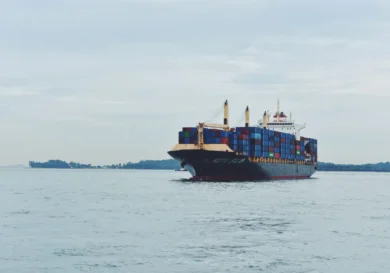
The two sides also agreed on a mechanism to end fighting in Lebanon between U.S. ally Israel and Iran-aligned Hezbollah. They opened a communications line intended to help ensure safe passage for commercial ships through the Strait of Hormuz, a vital route for global oil supplies.
Pakistani Prime Minister Shehbaz Sharif said on X that the discussions were held in a positive and constructive atmosphere and yielded encouraging progress. He added that the first round of talks had concluded successfully.
U.S. and Iranian statements
Vice President JD Vance, who led the U.S. delegation, told reporters that Trump had asked the team to turn over a new leaf to transform Washington’s relationship with the people of Iran. He also said progress had been made toward ending hostilities in Lebanon.
“These things are always a little bit messy,” Vance said.
The main Iranian negotiating team, including senior diplomat Mohammad Baqer Qalibaf, left Switzerland for Tehran, according to Iranian student news agency ISNA. Technical talks were due to continue for the rest of the week.
In a social media post, Iranian Foreign Minister Abbas Araqchi said Tehran had secured waivers for oil and petrochemical exports, the release of some frozen assets, and the launch of a reconstruction and development plan for Iran.
Oil market reaction
Oil prices had risen sharply when Tehran started blockading the Strait of Hormuz, prompting a U.S. blockade of Iranian ports. After the interim deal, prices fell to their lowest level since before the war began on February 28 with U.S.-Israeli attacks on Iran.