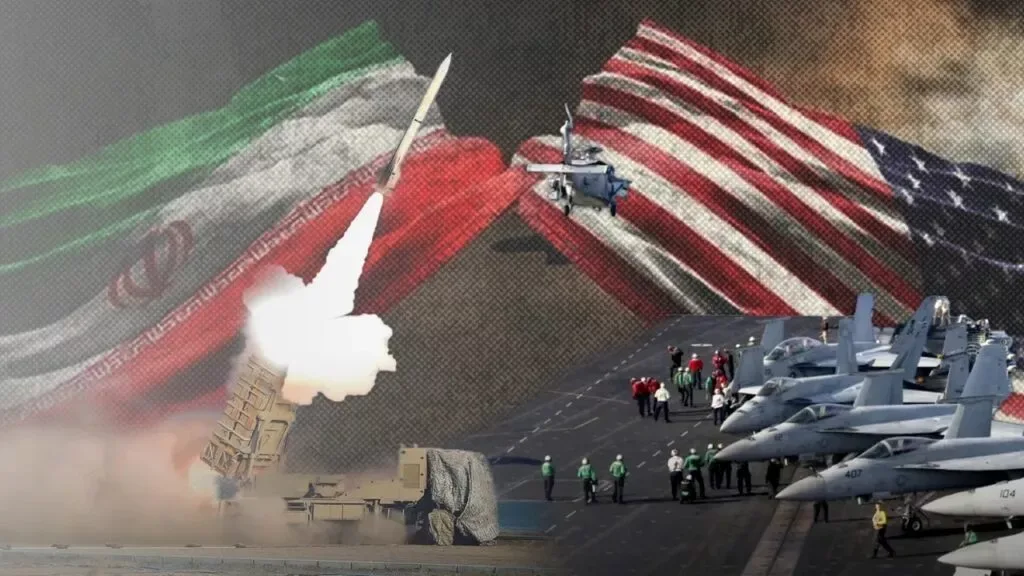
New Delhi, India. Iran and the United States on Monday played down expectations of an imminent breakthrough in talks aimed at ending the three-month-old war, with U.S. Secretary of State Marco Rubio saying there would either be a good agreement or Washington would deal with the country in “another way.”
Talks and U.S. position
Rubio told reporters in New Delhi that the U.S. would give diplomacy every chance to succeed before considering “alternatives,” after President Donald Trump said on Sunday that he had told his representatives not to rush into any Iran deal. Rubio said there was a “pretty solid thing on the table” regarding the ability to reopen the strait and enter into a “very real, significant, time-limited negotiation” on the nuclear issue.
Iran’s response
Iranian foreign ministry spokesperson Esmaeil Baghaei said on Monday that Iran was negotiating an end to the war and was not currently discussing nuclear issues. He said a framework had been reached but that no one could say an agreement between the United States and Iran was imminent. He added that the potential memorandum of understanding contained no specific details on the management of the Strait of Hormuz, which he said belongs to the coastal countries.
Strait of Hormuz and oil prices
A day earlier, Trump wrote on Truth Social that the U.S. blockade on Iranian ships in the Strait of Hormuz would “remain in full force and effect until an agreement is reached, certified, and signed.” He added: “Both sides must take their time and get it right.”
Oil prices fell 5% to two-week lows on Monday as optimism grew that the U.S. and Iran were moving closer to a peace deal. Trump had raised expectations of an imminent agreement on Saturday, saying Washington and Tehran had “largely negotiated” a memorandum of understanding on a peace agreement that would reopen the Strait of Hormuz.
Baghaei also said on Monday that Iran would not take tolls for passage through the waterway, but added that it was “normal for services provided to require a price.”