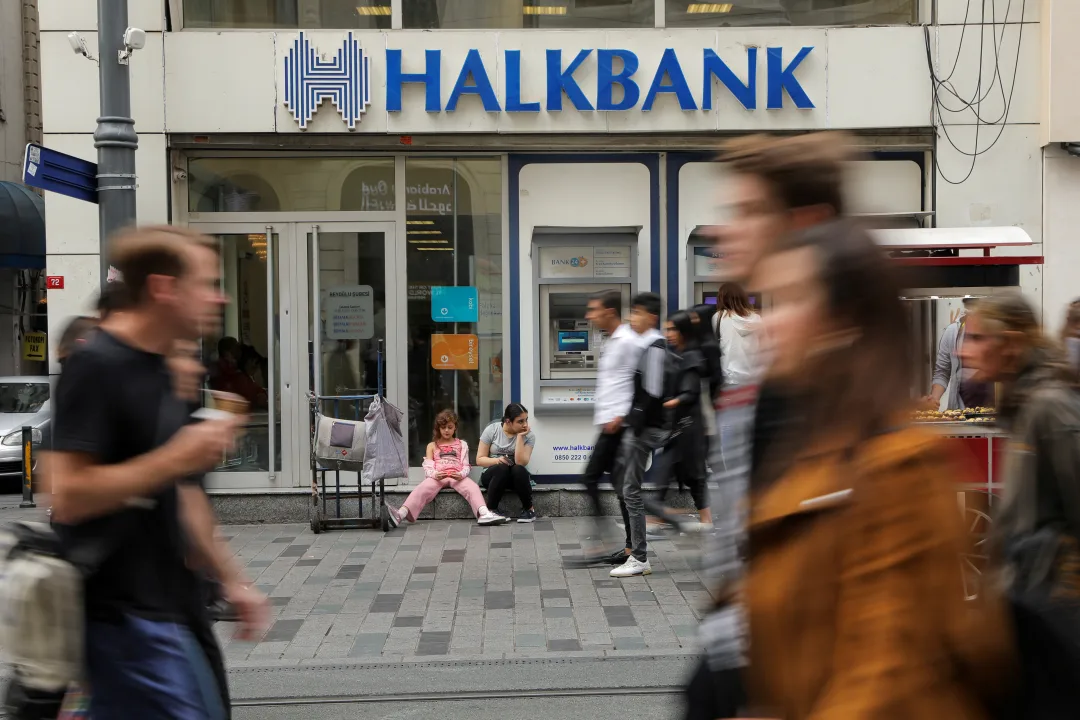
Washington, United States. A federal judge on Wednesday dismissed the U.S. Justice Department’s criminal indictment of Halkbank after the Trump administration reached a deal with the Turkish state-run lender, ending a prosecution brought in 2019. The action was taken by Manhattan-based U.S. District Judge Richard Berman.
Settlement ends long-running case
The agreement, announced in March, was presented as removing a lingering source of tension in relations between NATO allies Turkey and the United States. Following the announcement of the settlement, Halkbank’s shares rose sharply on the Istanbul stock exchange.
Background of the charges
Halkbank was charged during President Donald Trump’s first term with helping Iran evade U.S. economic sanctions. Turkish President Tayyip Erdogan had described the case as unlawful and “ugly.”
Terms of the agreement
The Justice Department said ending the prosecution would further U.S. interests in curbing support for Iran. Under the agreement, Halkbank is barred from entering transactions that benefit Iran and must accept a monitor to review its sanctions and anti-money laundering compliance.
No money changes hands under the agreement, and Halkbank did not admit criminal wrongdoing. The bank had pleaded not guilty in the case.
Compliance review and court proceedings
After the deal was announced, the judge paused the case for 90 days to allow Halkbank to demonstrate compliance with the agreement’s terms. Halkbank hired Ernst & Young to review its compliance policies.
The case had moved through multiple levels of the U.S. court system. Last October, the U.S. Supreme Court let stand a lower court decision allowing the prosecution to proceed. Halkbank had argued that, as a Turkish state-owned entity, it should be immune from legal action in another country’s courts.
Prosecutors’ allegations
The settlement was announced after the Iran war began in February.
U.S. prosecutors had accused Halkbank of secretly transferring $20 billion in restricted funds, converting oil revenue into gold and cash for Iranian interests, and documenting fake food shipments to justify transfers of oil proceeds.