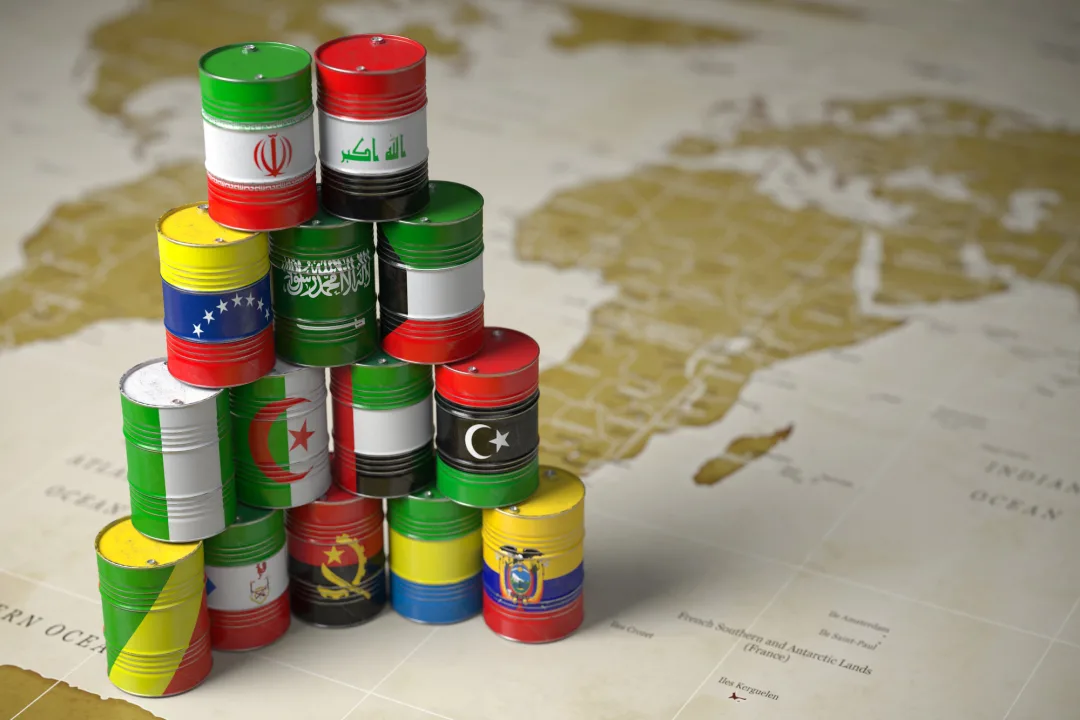
Abu Dhabi, United Arab Emirates. The United Arab Emirates has decided to leave OPEC, a move that could reduce the producer group’s influence over the oil market as Gulf exports remain disrupted by the closure of the Strait of Hormuz.
Decision announced amid market disruption
The decision comes after two months in which Gulf oil and gas exports have been largely paralysed due to the closure of the Strait of Hormuz, limiting OPEC’s traditional ability to manage the market during periods of distress.
UAE Energy Minister Suhail Mohamed al‑Mazrouei told Reuters on Tuesday the decision to leave the Organization of the Petroleum Exporting Countries was driven by the need to meet rising global energy demand.
Production capacity and output curbs
The UAE was OPEC’s fourth‑largest producer in February after Saudi Arabia, Iran and Iraq, accounting for about 12% of total output, according to the International Energy Agency.
The UAE has production capacity of around 4.85 million barrels per day and aims to raise that to 5 million bpd by 2027, ambitions that have conflicted with OPEC’s ongoing output curbs.
Long-standing speculation and market share considerations
Speculation that the UAE would quit OPEC has circulated for years. The UAE has large oil reserves and among the world’s lowest extraction costs, giving it an ability to generate profits even during prolonged periods of low prices.
The article says Saudi-mandated production curbs have become harder to justify for Abu Dhabi, as while they support prices, they also cap revenue and can cede market share to higher-cost rivals.
Peak demand expectations and regional tensions
Oil consumption is widely expected to peak in the coming decades and then decline as economies shift toward renewables, increasing incentives for producers to maximise output in the near term.
The article says the UAE has frequently exceeded assigned quotas as Saudi Arabia has struggled to rein in overproduction, adding strain to relations between Riyadh and Abu Dhabi. It also says tensions have extended beyond oil to conflicts in Yemen, Libya and Sudan, and that the two countries have differed in their public responses to Iran’s strikes.
How do you think the UAE’s departure from OPEC could affect oil supply policy among Gulf producers?