Abu Dhabi, United Arab Emirates. Ukrainian and Russian negotiators began a second round of U.S.-brokered talks on Wednesday, aiming to advance efforts to end Europe’s biggest conflict since World War Two as fighting continued.
Trilateral talks open in Abu Dhabi
Ukraine’s top negotiator, Rustem Umerov, said on Telegram that “another round of negotiations has begun in Abu Dhabi,” adding that the process started in a trilateral format involving Ukraine, the United States, and Russia. Umerov said teams would later meet in separate groups to discuss specific topics and then hold a joint meeting to coordinate their positions.
Photographs released by the United Arab Emirates’ foreign ministry showed the three delegations seated around a U-shaped table, with U.S. officials at the centre, including special envoy Steve Witkoff and U.S. President Donald Trump’s son-in-law Jared Kushner.
Claims over truce and continued attacks
The two-day meetings follow comments by Ukraine’s President Volodymyr Zelenskiy that Russia exploited a U.S.-backed energy truce last week to stockpile munitions, and that Ukraine was attacked with a record number of ballistic missiles on Tuesday.
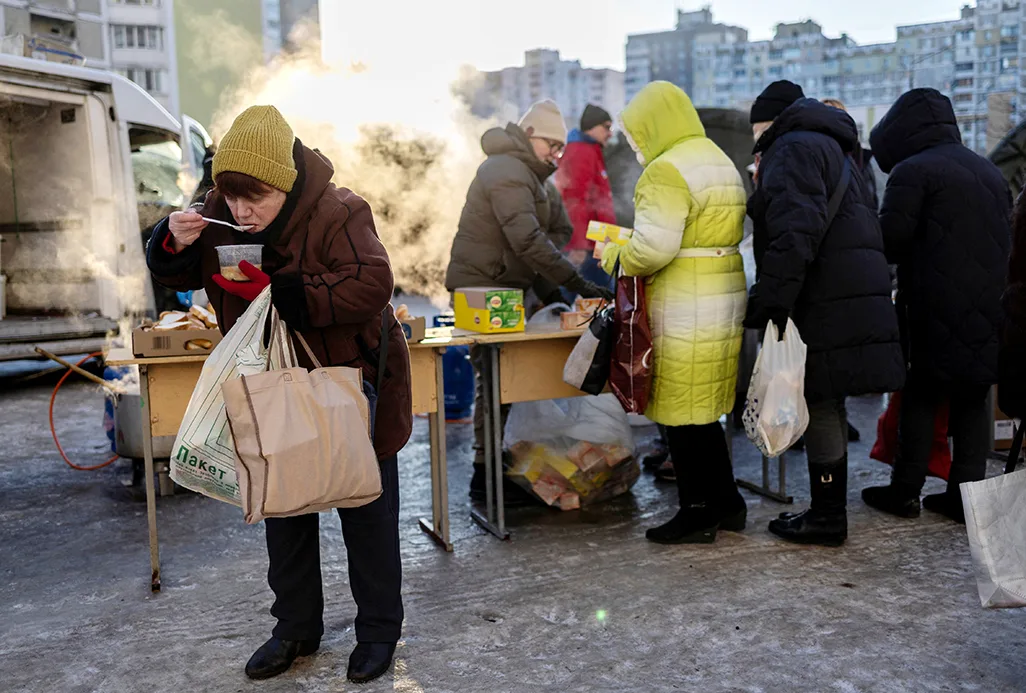
Shortly after talks began, Russian forces struck a crowded market in eastern Ukraine with cluster munitions, killing at least seven people and wounding 15, Donetsk region Governor Vadym Filashkin said.
Key disputes remain unresolved
Trump’s administration has pushed both Kyiv and Moscow to find a compromise to end the four-year war, but the sides remain far apart on key points despite several rounds of talks with U.S. officials.
The most sensitive issues include Moscow’s demands that Kyiv give up land it still controls and the fate of the Zaporizhzhia nuclear power plant, Europe’s largest, which is in a Russian-occupied area. Moscow wants Kyiv to pull its troops out of all of the Donetsk region, including a belt of heavily fortified cities regarded as one of Ukraine’s strongest defences, as a precondition for any deal.
Ukraine has said the conflict should be frozen along the current front line and has rejected any unilateral pullback of its forces.
What outcome do you expect from the Abu Dhabi talks?