Nicosia, Cyprus. Sixty-two years after the UN Security Council adopted resolution 186, the United Nations Peacekeeping Force in Cyprus (Unficyp) continues operations aimed at maintaining stability and preventing escalation on the island.
Mandate and origins
On March 4, 1964, the UN Security Council adopted resolution 186 in response to intercommunal tensions that threatened to lead to further violence. The mission established under the resolution was intended to restore calm, prevent renewed fighting and create space for mediation toward a peaceful settlement.
Role in daily stability
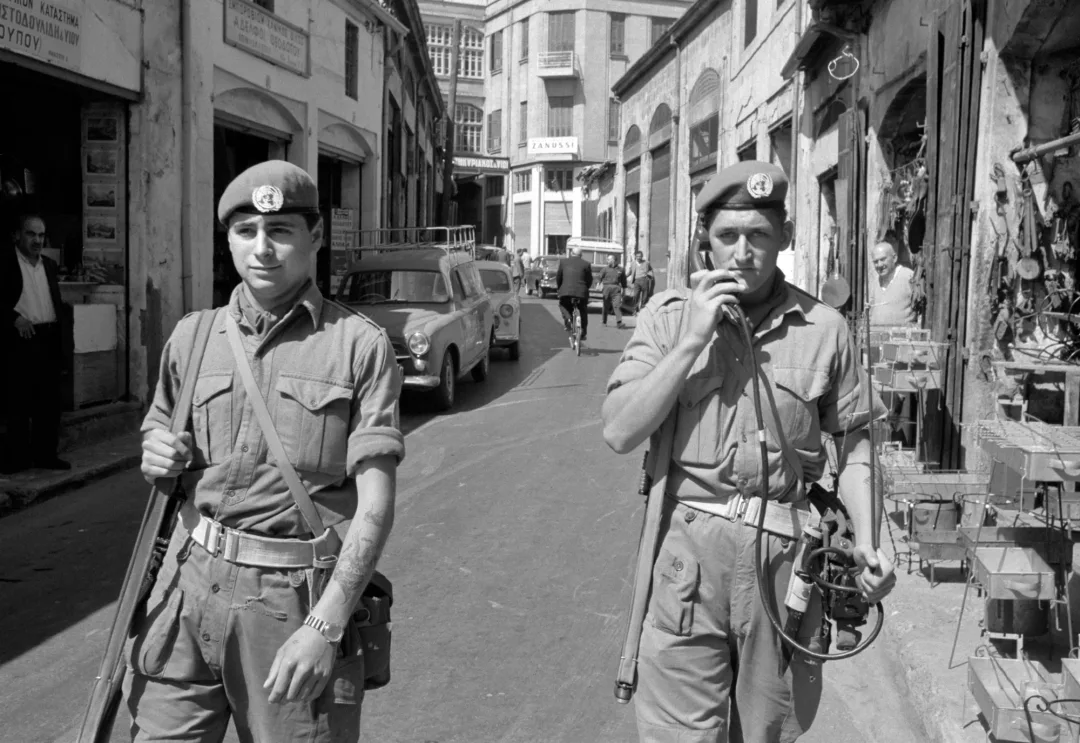
For many people in Cyprus, Unficyp’s presence in the buffer zone, along with blue-helmet patrols through rural villages and in the narrow streets of old Nicosia, has become part of everyday life. The mission’s military, police and civilian personnel engage with both sides daily to prevent escalation and maintain calm in and around the buffer zone, with the UN describing the force’s steady and impartial presence as a factor in avoiding serious flareups for decades.
Peacekeeping and political settlement
The UN said peacekeeping achievements often include crises that do not occur, confrontations defused and misunderstandings resolved before they become conflict. It also said that stability is not the same as peace and that peacekeepers were not intended to be a permanent feature of Cyprus, but to support space for dialogue, compromise and progress toward a political settlement.
Continuing purpose and communication channels
Although the context has evolved over six decades, the UN said Unficyp’s core purpose remains to reduce tensions, facilitate humanitarian activities and keep essential channels of communication open. In sensitive periods, the UN said regular liaison and an impartial presence can help avoid unintended escalation.
Responsibility and UN support
The UN said responsibility for achieving a settlement rests with the leaders and people of Cyprus, adding that while the United Nations remains committed to assisting, the island’s future must be shaped in Cyprus.
What role do you think international peacekeeping should play in supporting long-term political solutions in Cyprus?