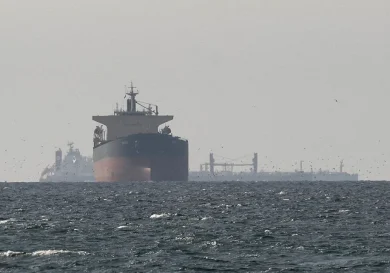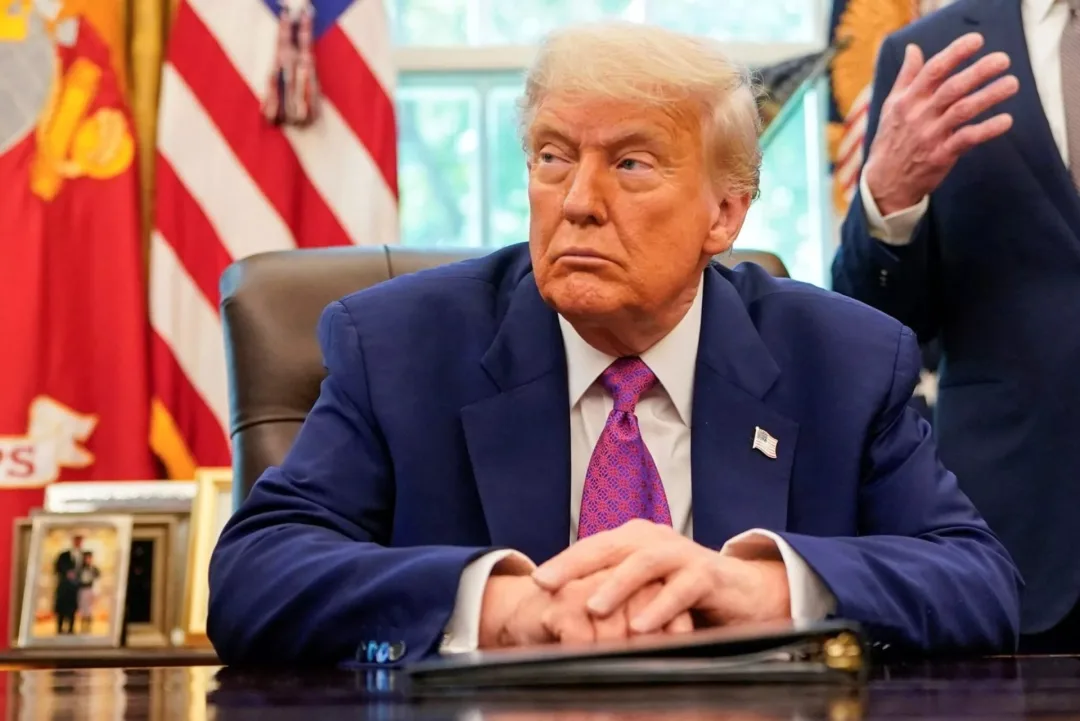
Berlin, Germany. US allies signalled they have no immediate plans to send warships to unblock the Strait of Hormuz, rejecting President Donald Trump’s appeal for military support after Iran effectively closed the waterway in retaliation for US-Israeli strikes. The strait carries a fifth of global oil supply, and Iran has used drones, missiles and mines to bring tanker traffic to a near standstill.
Germany rejects call for European naval deployment
Germany led the dissent, with Defence Minister Boris Pistorius questioning what a small number of European frigates could do in the Strait of Hormuz that the US Navy could not. Speaking in Berlin on Monday, Pistorius dismissed Trump’s suggestion that failing to help could have consequences for NATO and said, “This is not our war, we have not started it.”
Government spokesperson Stefan Kornelius said the conflict had nothing to do with NATO and noted that neither the United States nor Israel consulted Germany before the war. He added that Washington had explicitly stated at the outset of the war that European assistance was neither necessary nor desired.
Italy, Spain and Greece rule out participation in Strait of Hormuz operations
Italy’s Deputy Prime Minister Matteo Salvini ruled out sending military vessels, saying in Milan that Italy was not at war with anyone and that sending military ships into a war zone would mean entering the war.
Spain said it would not take any action that could escalate the conflict.
Greece said it would limit its participation in the Middle East to the Red Sea under the EU’s Aspides naval mission and would not extend operations to the Strait of Hormuz, government spokesman Pavlos Marinakis said.
Britain and Denmark take cautious approach
Britain said it would work with partners on a collective plan to secure freedom of navigation through the strait, with Prime Minister Keir Starmer noting the UK had autonomous mine-hunting systems that could be deployed. Starmer reiterated that London would not be drawn into a wider war.
Denmark said the EU should explore ways to help reopen the strait even if it disagreed with the war. Foreign Minister Lars Løkke Rasmussen said Europe should keep an open mind about contributing in some way, with a view towards de-escalation.
EU discusses UN talks and possible mandate changes
EU foreign policy chief Kaja Kallas said the bloc was in talks with the United Nations about replicating the deal that allows grain exports from Ukraine during its war with Russia. She also said discussions were under way on whether the Aspides mission’s mandate could be extended to cover the Strait of Hormuz.
China says it is seeking de-escalation
China said it was in contact with all sides and was seeking to de-escalate the conflict, its foreign ministry said on Monday.
What steps would you like European countries to prioritise to help restore freedom of navigation in the Strait of Hormuz?