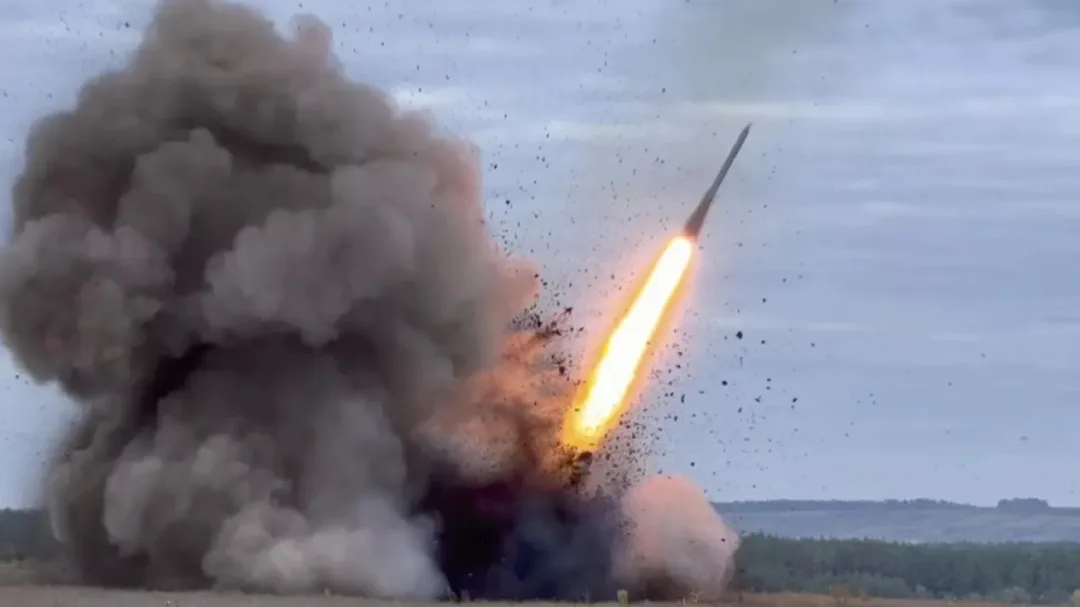
Washington, United States. The United States and Israel carried out what the Pentagon described as the most intense day of strikes on Iran since the war began on Tuesday, as markets assessed whether President Donald Trump would move to end the conflict.
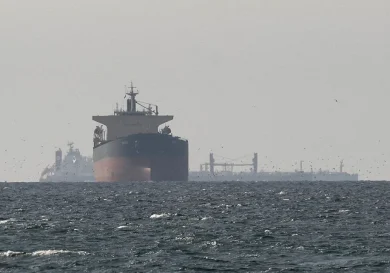
Iran’s Revolutionary Guards threatened to block oil shipments from the Gulf unless attacks stop, as disruptions around the Strait of Hormuz pushed prices sharply higher before easing.
Pentagon describes “most intense day” of strikes
US Defence Secretary Pete Hegseth said at a Pentagon briefing that Tuesday would be “our most intense day of strikes inside Iran,” citing the highest number of fighters, bombers and strikes, along with improved intelligence.
Tehran residents report heavy bombardment and casualties
Residents of Tehran described the previous night as the war’s most ferocious bombardment. One resident told Reuters by phone, speaking anonymously for security reasons, “It was like hell. They were bombing everywhere, every part of Tehran,” adding that their children were afraid to sleep.
In eastern Tehran, two five-storey residential buildings struck on Monday were left with floors and walls blasted away. Workers were still recovering bodies at the site on Tuesday when a missile struck a nearby road intersection.
Iran threatens Gulf oil shipments as Hormuz flows disrupted
Iran’s Revolutionary Guards threatened to block all oil shipments from the Gulf unless US and Israeli attacks cease. A spokesperson said Tehran would not allow “one litre” of Middle Eastern oil to reach the US or its allies while strikes continued, adding, “We are the ones who will determine the end of the war.”
The war has effectively halted shipments through the Strait of Hormuz, through which about a fifth of global oil and liquefied natural gas normally passes. Some major producers have run out of storage and cut output. Oil prices briefly surged to nearly $120 a barrel on Monday before settling back below $90 by Tuesday afternoon.
Markets respond to Trump remarks and expectations of an end to conflict
Markets appeared reassured by comments Trump made at a Monday press conference, in which he said the US had already inflicted serious damage and predicted the conflict would end sooner than the four weeks he had initially indicated. The rise in crude prices on Monday was largely reversed within a day, and Wall Street returned to around its late-February levels.
Israel consults Washington as Iran rejects ceasefire
A source familiar with Israel’s war plans told Reuters the Israeli military was seeking to inflict maximum damage before the window for further strikes closes, operating on the assumption that Trump could halt the war at any time. Israeli Foreign Minister Gideon Saar said Israel was consulting Washington on when to stop fighting.
Iran’s parliament speaker Mohammad Baqer Qalibaf said Iran was “not seeking a ceasefire,” and Foreign Minister Abbas Araqchi told PBS that Tehran was unlikely to resume negotiations with the US. Iran has refused Trump’s demand that it allow the US to choose its new leadership, naming hardliner Mojtaba Khamenei, son of the supreme leader killed on the war’s first day, as his successor.
Reported death tolls
At least 1,270 people have been killed in Iran since strikes began on 28 February, according to Iranian state media. Scores more have been killed in Israeli attacks on Lebanon targeting Hezbollah, which has fired into Israel in solidarity with Iran. Iranian strikes on Israel have killed 12 people.
How do you expect the disruption around the Strait of Hormuz to affect fuel prices where you live?