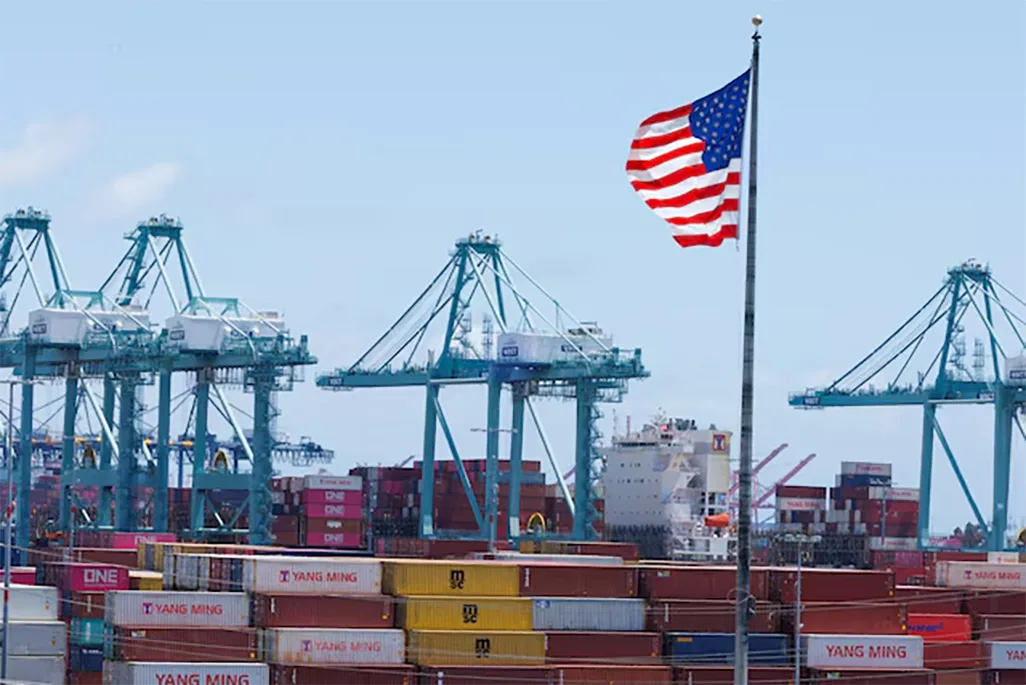
Washington, United States. US companies have sought to reassure investors that tariffs are manageable, but early earnings-season comments suggest profit margins may be at risk as consumers balk at higher prices.
Bellwethers flag challenges
Bellwethers including Procter & Gamble, Fastenal and 3M have flagged the challenges posed by tariffs and pricing pressures.
Amazon.com CEO Andy Jassy told CNBC on the sidelines of the World Economic Forum in Davos, Switzerland that the company was seeing prices tick up on its e-commerce platform as sellers have run down inventories they brought in to front-run tariffs.
More results due in the coming week
Numerous companies with global footprints are scheduled to report results in the coming week, including General Motors, Caterpillar, Colgate-Palmolive, and packaged goods company Kimberly-Clark.
More than 100 S&P 500 companies will report next week, according to LSEG data.
Consumers seek value amid price sensitivity
While broader consumer spending has held up, buyers have been judicious, often looking for value items, particularly lower- and middle-income earners.
“While some are less price-sensitive than others, most consumers are still mad about the level of current prices and won’t take kindly to further hikes,” said Brian Jacobsen, chief economic strategist at Annex Wealth Management.
Tariff-related price increases expected at Tractor Supply
Tariff-related price increases are expected to materialize this year for gardening and farm equipment seller Tractor Supply, according to a note by brokerage Telsey Advisory Group.
Tractor Supply reports results on Thursday, and executives have said consumers over the past year have been buying with value in mind and that it would be “surgical” with price increases.
Levi Strauss cites margin impact
Levi Strauss reports holiday-quarter results on Wednesday and said in October that tariffs would cut its margins by 0.7 per cent, up from a previous 0.5 per cent estimate. The company has raised some prices while trying to diversify its supply chain and has warned of a softer consumer environment.
How do you expect tariff-related price increases to affect your spending this year?