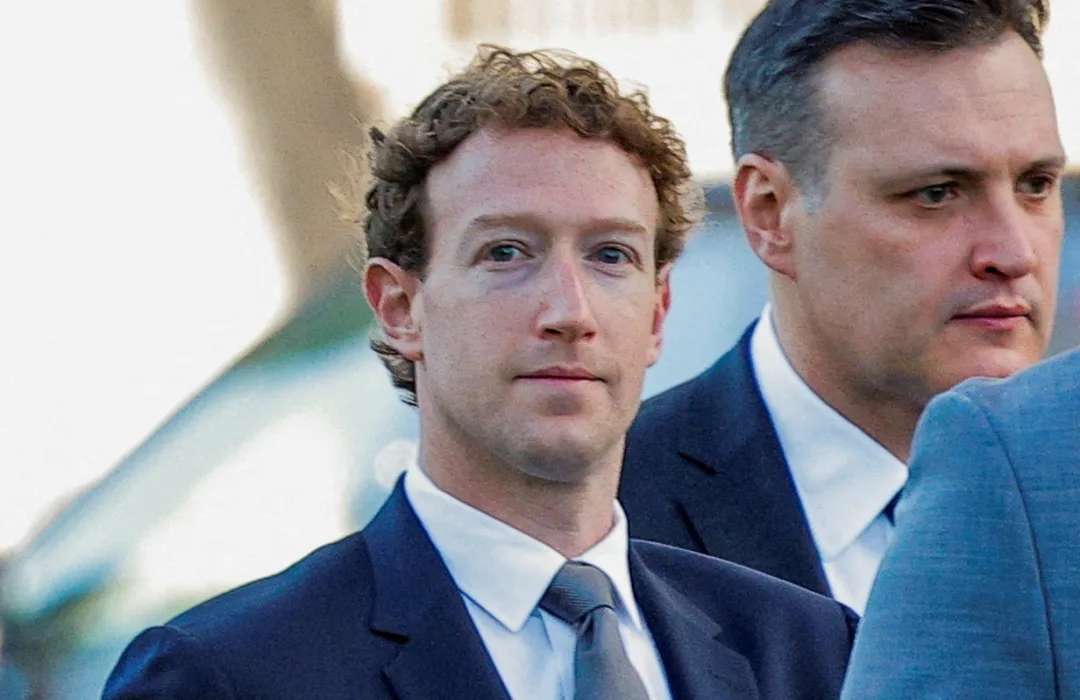
Los Angeles, United States. Meta Platforms CEO Mark Zuckerberg pushed back in court against a claim that he misled Congress about the design goals of the company’s social media platforms, as a youth social media addiction trial continued. Zuckerberg said his 2024 testimony to Congress was accurate.
Court testimony focuses on past and current engagement goals
Zuckerberg was questioned about statements he made to Congress in 2024, when he said the company did not give its teams the goal of maximizing time spent on its apps. Mark Lanier, a lawyer for a woman suing Meta, showed jurors emails from 2014 and 2015 in which Zuckerberg described aims to increase time spent on the app by double-digit percentage points.
Zuckerberg said Meta previously had goals related to the amount of time users spent on the app but has since changed its approach. “If you are trying to say my testimony was not accurate, I strongly disagree with that,” Zuckerberg said.
First court testimony on Instagram’s impact on young users
The appearance marked Zuckerberg’s first time testifying in court on Instagram’s effect on the mental health of young users. The jury trial is taking place in Los Angeles, California, and Meta may have to pay damages if it loses the case. The verdict could affect Big Tech’s legal defense against claims of user harm.
Case part of broader backlash and growing litigation
The lawsuit and similar cases are part of a global backlash against social media platforms over children’s mental health. Australia has prohibited access to social media platforms for users under age 16, and other countries including Spain are considering similar curbs.
In the United States, Florida has prohibited companies from allowing users under age 14, and tech industry trade groups are challenging the law in court.
Allegations against Meta and Google, and company responses
The case involves a California woman who started using Meta’s Instagram and Google’s YouTube as a child. She alleges the companies sought to profit by hooking children on their services despite knowing social media could harm mental health, and says the apps fueled her depression and suicidal thoughts. She is seeking to hold the companies liable.
Meta and Google have denied the allegations and cited their efforts to add safety features. Meta has also pointed to a National Academies of Sciences finding that research does not show social media changes children’s mental health.
Test case for broader set of claims
The lawsuit is a test case for similar claims in a larger group of cases against Meta, Alphabet’s Google, Snap and TikTok. Families, school districts and states have filed thousands of lawsuits in the United States accusing the companies of fueling a youth mental health crisis.
What do you think the jury trial outcome could mean for future lawsuits against social media companies?