AfD projected to win Mecklenburg-Western Pomerania election as Merz party nears exclusion
The AfD was projected to finish first in Mecklenburg-Western Pomerania, while Friedrich Merz’s conservatives fell below the threshold for the state parliament.
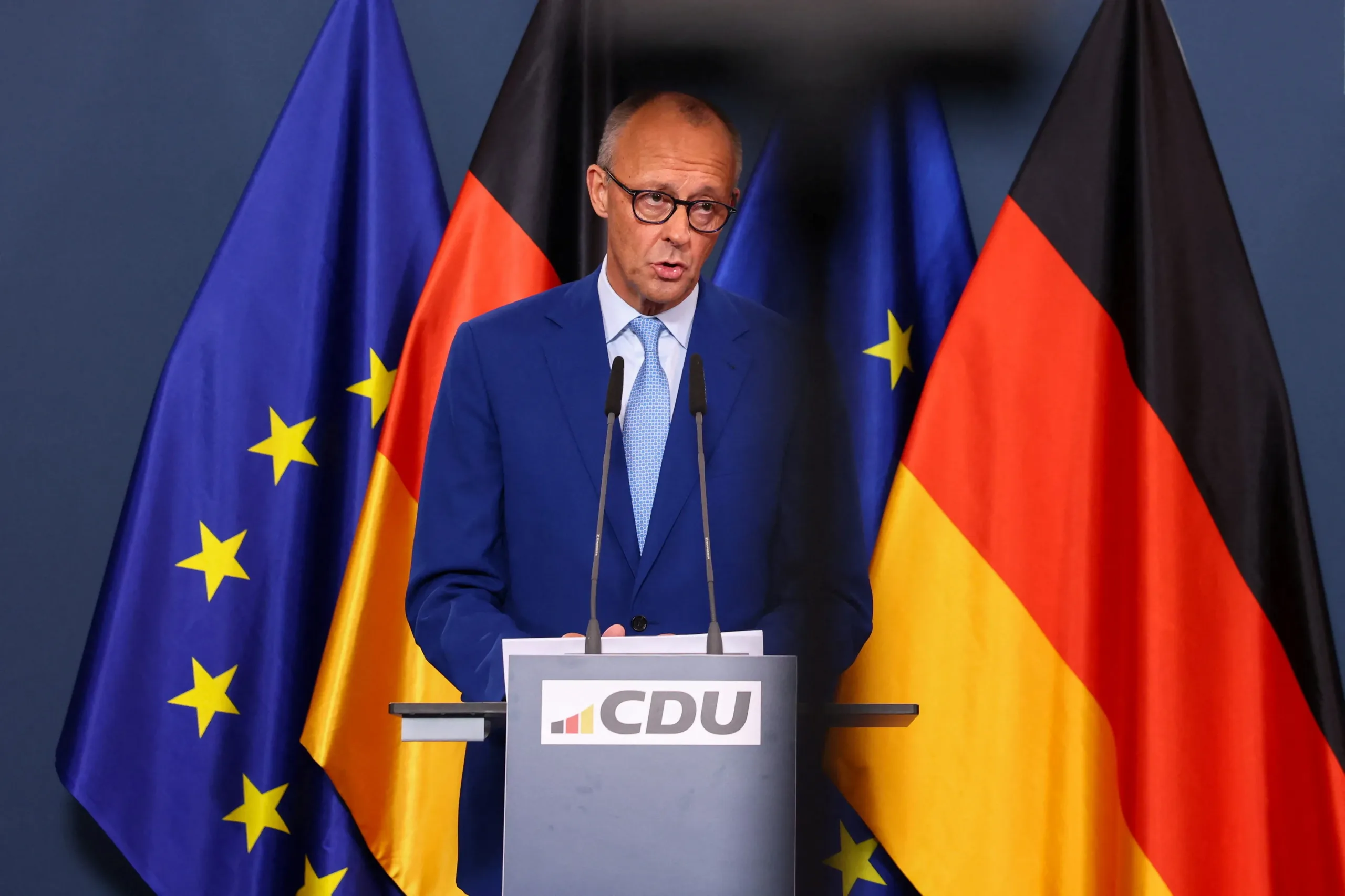
Berlin, Germany. The far-right Alternative for Germany (AfD) was projected to win the state election in Mecklenburg-Western Pomerania on Sunday, while Chancellor Friedrich Merz’s conservatives faced their worst result since 1949.
Mecklenburg-Western Pomerania projections
The AfD was projected to receive 38.3% of the vote in Mecklenburg-Western Pomerania, ahead of the centre-left Social Democrats (SPD) on 35.4%, according to projections by public broadcaster ARD.
Merz’s conservatives were projected to receive 4.9%, below the 5% threshold required to enter the state parliament, raising the prospect of their exclusion from the assembly.
“It’s a disaster,” Merz said after exit polls were published. He said he would remain chancellor and continue his reform agenda, following speculation that a poor result could lead to his resignation.
Berlin vote
In Berlin, the far-left Linke party was projected to receive 25.3%, ahead of Merz’s conservatives on 19%. The conservatives govern the state in a coalition with the SPD.
The AfD was projected to receive 16.3% in the typically liberal city. It was the first time Linke had led polling in the state, where the party has called for housing owned by corporate landlords to be nationalised and for rent caps.
Pressure on federal government
Sunday’s result marked the AfD’s second first-place finish in a state election this month. The party also leads national opinion polls but has been kept out of power by the refusal of other main parties to cooperate with it.
Merz’s low approval ratings, unpopular reforms and the AfD’s earlier victory in a state election in Saxony-Anhalt have put his political future under pressure.
Marcel Fratzscher, president of the Berlin-based DIW research institute, said the results would make it more difficult for the federal government to build support for a fundamental reform programme.
“If the ruling coalition parties stick to their red lines, political paralysis will become entrenched, economic weakness will persist, and the likelihood of an AfD election victory in 2029 will rise further,” he told Reuters.
SPD response
The SPD’s Mecklenburg-Western Pomerania premier, Manuela Schwesig, had gained support before the election after criticising both the AfD and the Merz-led federal government’s reforms.
Schwesig said the AfD had won votes by criticising Germany’s support for Ukraine. She had previously supported the Nord Stream gas pipelines running through the Baltic Sea state before they were destroyed in 2022, but later changed her position.
This news item was generated automatically by Cyprus Inform from publicly available materials. Report an error →