CREA: Middle East disruptions add billions to Europe’s fossil-fuel costs
A CREA report estimates that energy-market disruptions linked to the war with Iran have added billions of euros to European fossil-fuel import costs.
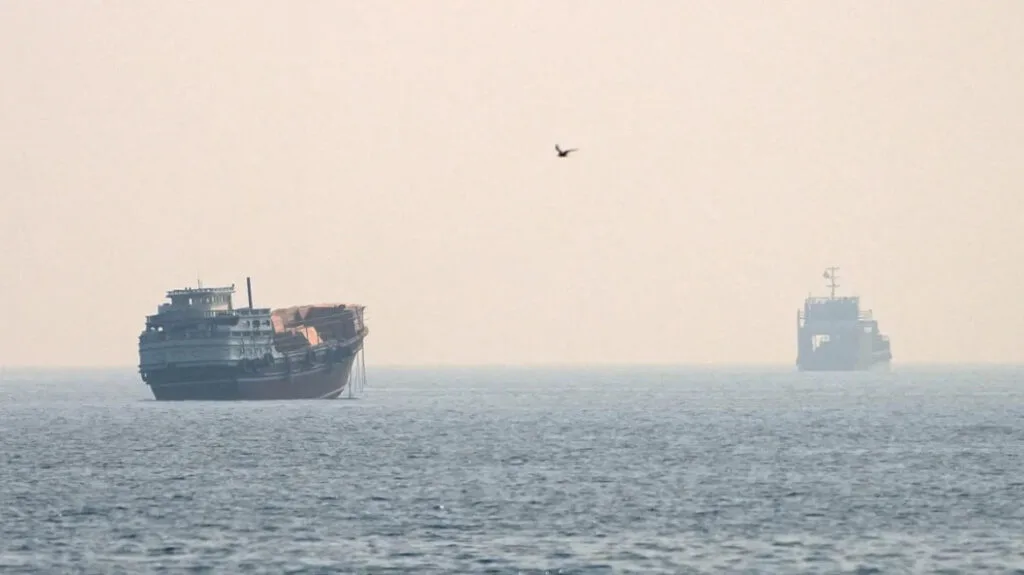
Nicosia, Cyprus. European economies have faced sharply higher fossil-fuel costs following energy-market disruptions linked to the war with Iran, according to the Centre for Research on Energy and Clean Air (CREA). The report said the crisis has highlighted the EU’s exposure to imported fuel prices and the savings generated by renewable energy.
Additional costs for major EU economies
According to Euronews, the Netherlands incurred an estimated €11.5 billion in additional fossil-fuel costs between March and August 2026. Italy paid around €12.7 billion more, France €10.8 billion and Spain €8.8 billion.
Together, the four countries faced close to €41 billion in unexpected costs without receiving additional energy volumes in return.
Alternative suppliers and diesel dependence
Europe has increasingly turned to alternative suppliers to compensate for reduced energy flows from the Middle East. In the first quarter of 2026, the United States and Norway were the EU’s largest suppliers of both liquefied natural gas and petroleum oils.
The report said higher diesel prices have been particularly damaging because transport, agriculture and industry across Europe remain heavily dependent on the fuel. Increased energy costs can spread through supply chains and contribute to broader rises in consumer prices.
Renewable energy savings
CREA estimated that clean-energy capacity installed in the EU since 2020 avoided around €36 billion in fossil-fuel purchases during the first five months of the crisis.
By replacing energy that would otherwise have been generated using imported coal, oil or gas, renewable power reduced the volume of fuel European countries needed to buy at elevated wartime prices.
The report described renewable energy and electrification as measures that can reduce emissions while strengthening energy security. Countries with larger shares of clean electricity and lower fossil-fuel dependence are generally less exposed to sudden changes in international energy markets, it said.
Spain’s experience
Spain’s renewable-energy infrastructure helped save billions of euros in fossil-fuel imports, CREA said. However, continued oil dependence in transport, aviation and industry meant the country still faced an additional gross fossil-fuel import cost of about €181 per person.
CREA said this underlined the need to extend electrification beyond power generation to other parts of the economy.
Call for EU fossil-fuel strategy
More than 100 European and international organisations have called on European Commission President Ursula von der Leyen to establish a comprehensive strategy to end Europe’s reliance on fossil fuels.
In a letter ahead of her 16 September State of the Union address, the organisations urged the Commission to commission an independent, science-based report on how Europe could make the current energy crisis its last major fossil-fuel crisis.
Led by Climate Action Network Europe, the organisations said fossil-fuel dependence creates a double economic burden, leaving countries exposed to volatile energy prices while they also bear the growing consequences of climate change.
Proposed transition measures
The proposed strategy would resemble the Draghi report in scale and ambition but would focus on a pathway towards a complete fossil-fuel phase-out while protecting consumers, workers and European industry.
The organisations said renewable energy, energy efficiency, electricity grids and clean-energy flexibility should form the basis of the transition. They also called for EU and national funding to be redirected from projects that extend fossil-fuel dependence towards clean-energy infrastructure.
The proposal also calls for stronger and more secure supply chains for critical materials used by renewable-energy and clean-technology industries. According to the organisations, the Hormuz crisis has demonstrated that dependence on imported fossil fuels allows geopolitical instability elsewhere to rapidly raise costs for European governments, industries and consumers.
This news item was generated automatically by Cyprus Inform from publicly available materials. Report an error →