Cyprus-Lebanon cable talks begin on renewable energy exports
A proposed undersea cable could allow Cyprus to export surplus renewable electricity to Lebanon, former energy minister George Papanastasiou said.
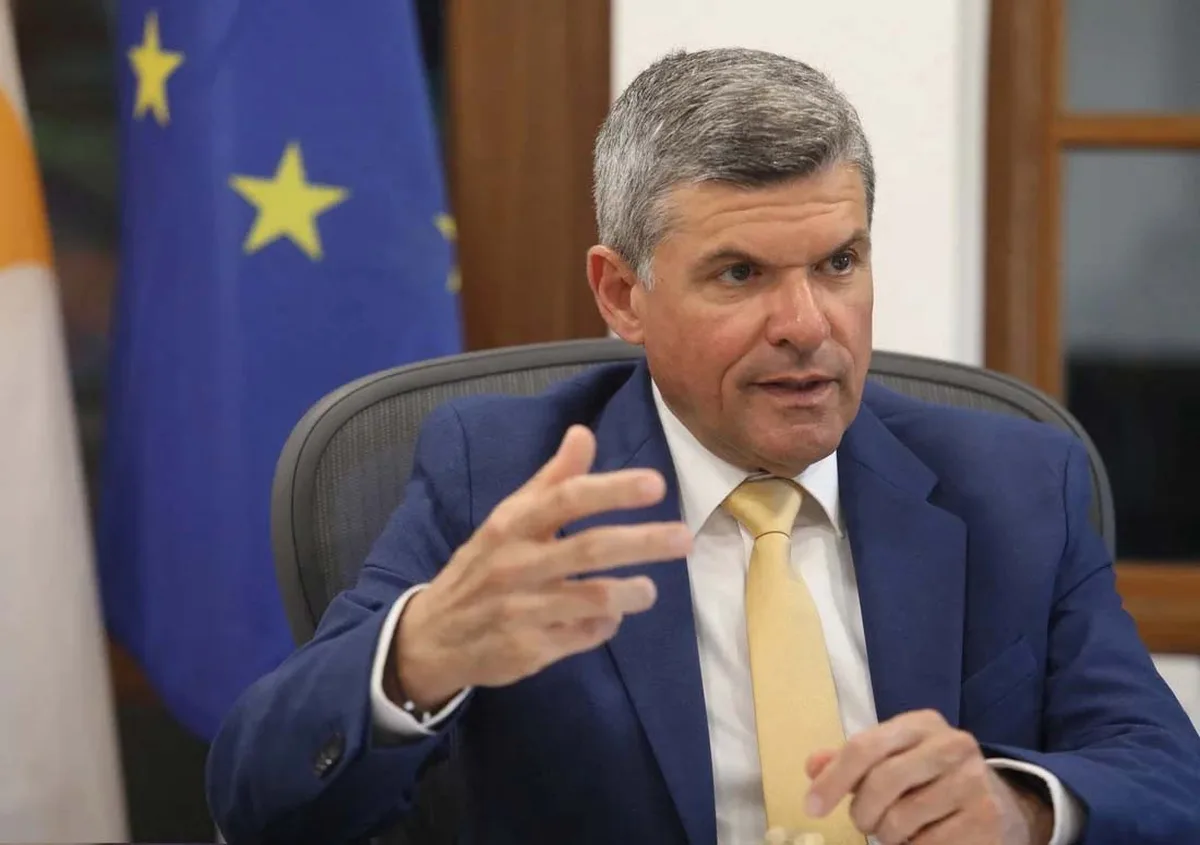
Nicosia, Cyprus. Official discussions have begun on a proposed undersea electricity interconnection cable between Cyprus and Lebanon, which could enable Cyprus to export surplus renewable energy, former energy minister George Papanastasiou said on Wednesday.
He said the project would require energy storage facilities in Cyprus to ensure a stable and reliable electricity supply.
Surplus renewable production
Papanastasiou told the Cyprus Mail that Cyprus’ renewable energy infrastructure can at peak production generate more electricity than can be consumed.
This currently results in renewable facilities, including solar farms, being temporarily disconnected from the grid to prevent overload, he said.
The proposed cable would provide Cyprus with “an outlet to push green energy to Lebanon”, he added.
Need for storage facilities
Papanastasiou said the interconnection would not remove the need for energy storage infrastructure.
“You would still need the storage facilities. Otherwise, you would be sending unstable and unreliable energy. The batteries which they plan to install would still need to be installed, even with the cable,” he said.
The facilities are intended to store electricity generated during peak production periods for use outside those hours. Cyprus currently relies more heavily on fossil fuels at night and during inclement weather.
Lebanon’s electricity network
For Lebanon, the cable could provide “security of supply” and a “stable supply” of electricity, provided Cyprus’ grid and energy supply remain stable, Papanastasiou said.
However, he noted potential challenges related to Lebanon’s electricity infrastructure.
“There is no national grid of which to speak in Lebanon. Many compounds exist as standalone electricity islands with their own generators. There may be a grid of sorts, but it is in a state of destruction,” he said.
Feasibility study
Papanastasiou said those involved in the talks would need to conduct a feasibility study for the project.
He said that, as Lebanon is currently under the observation of the World Bank, it was decided to ask the bank to fund the study.
This news item was generated automatically by Cyprus Inform from publicly available materials. Report an error →