Cyprus parade highlighted sovereignty and partnerships, but military significance needs context
Defence expert Dr Aristos Aristotelous said the Independence Day parade conveyed political messages, while foreign participation did not guarantee military assistance.
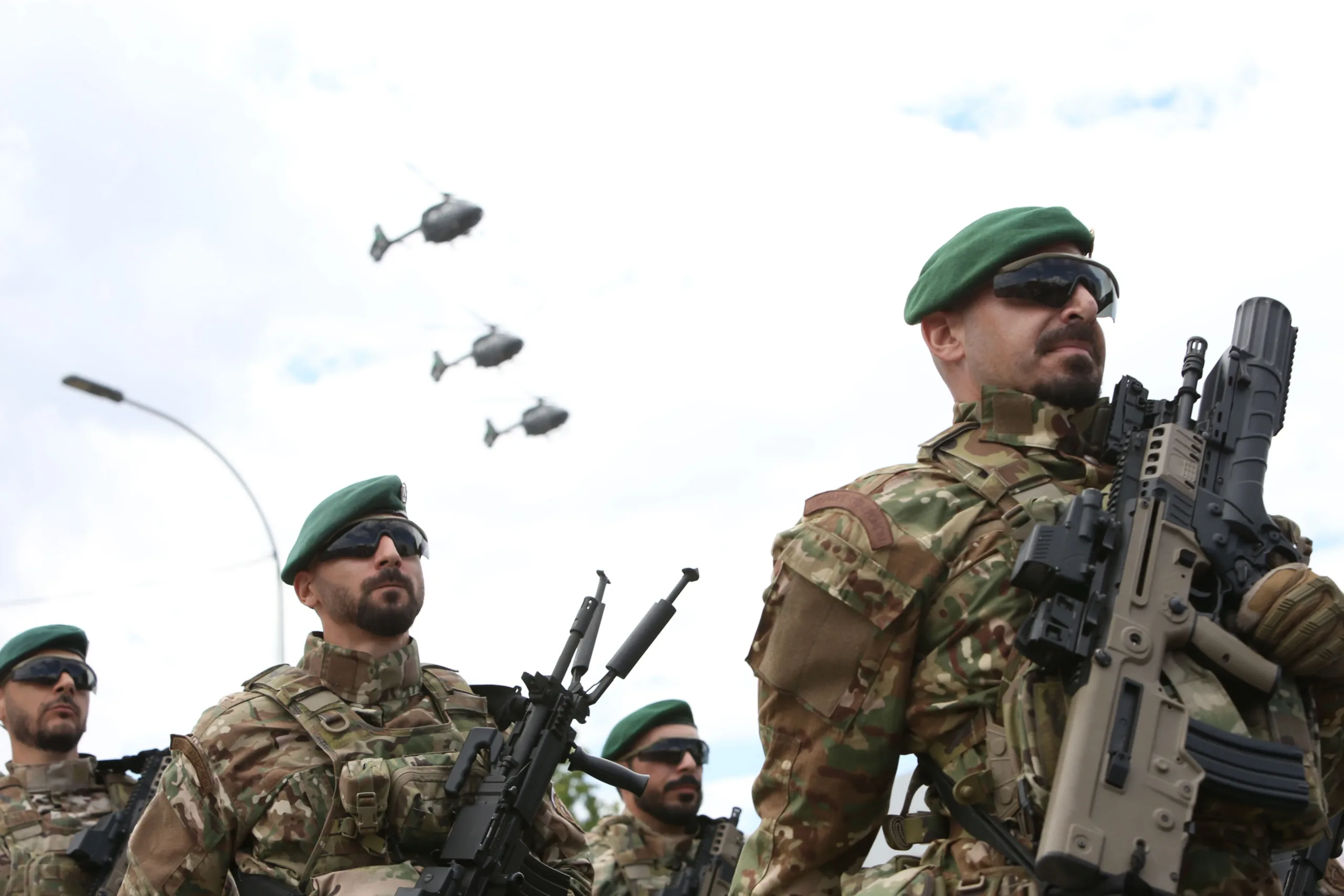
Nicosia, Cyprus. Cyprus’s Independence Day parade signalled sovereignty, strengthened morale and highlighted expanding international partnerships, defence expert Dr Aristos Aristotelous told the Cyprus Mail. He said the equipment and overseas forces displayed needed to be assessed against Cyprus’s real capabilities and broader strategy.
New equipment and expanded participation
The October 1 event stood out as one of the most visibly enhanced military parades in recent years. It featured the public debut of the Israeli-made Barak MX air defence system, unmanned systems, heavy military equipment and representation from Cyprus’s emerging defence industry.
The aerial display over Nicosia included two Greek F-16 Vipers, four H145M helicopters belonging to the National Guard and a C295 transport aircraft from the Egyptian Air Force.
Overseas participation was especially visible. Egypt and Britain contributed military contingents for the first time, while French marines joined US marines and sailors serving aboard the USS Roosevelt.
Sovereignty and domestic morale
Aristotelous, who heads the Cyprus Centre for Strategic Studies, said the parade’s importance was rooted in the circumstances surrounding Cyprus’s independence commemorations.
He said it communicated statehood, sovereignty and a resolve to protect independence. For the Republic of Cyprus, he added, those signals had particular significance because of the continuing occupation.
According to Aristotelous, the government’s domestic objectives were to boost morale and draw attention to defence work. Internationally, it sought to present Cyprus as a state whose partnerships were broadening and whose strategic importance was increasing.
Political signals and military limitations
Aristotelous distinguished the diplomatic and political significance of overseas participation from its military implications. He said the involvement of foreign forces did not, by itself, guarantee military assistance.
The Greek F-16 presence had special significance because of the relationship linking Greece and Cyprus, he said. However, its effectiveness as a deterrent depended on sustained joint planning, readiness for operations and political resolve.
Britain’s involvement could also have political significance.
This news item was generated automatically by Cyprus Inform from publicly available materials. Report an error →