Duane Davis convicted of murder in 1996 shooting death of Tupac Shakur
A Clark County jury found Duane “Keffe D” Davis guilty of first-degree murder with a deadly weapon in the drive-by killing of Tupac Shakur.
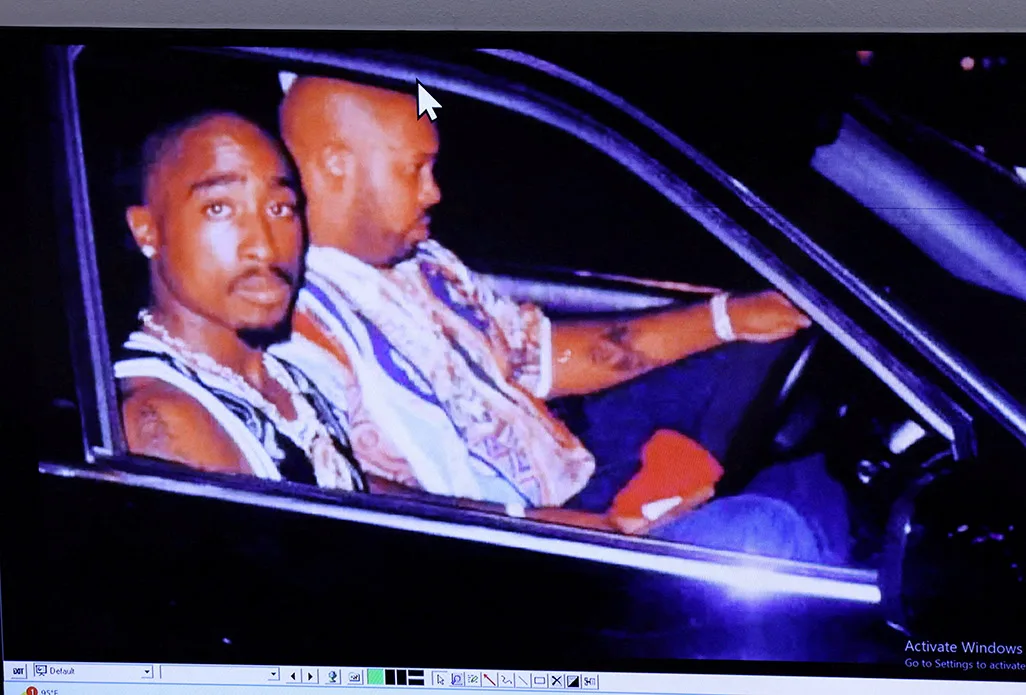
Las Vegas, United States. Duane “Keffe D” Davis, a former street gang leader accused of orchestrating the 1996 drive-by shooting death of hip-hop star Tupac Shakur, was convicted of murder on Monday in Clark County, Nevada.
The 63-year-old faces a maximum sentence of life imprisonment without the possibility of parole at a sentencing hearing scheduled for October 13. Davis told the judge that he plans to appeal.
Jury verdict
A jury deliberated for nearly three hours before finding Davis guilty of one count of first-degree murder with a deadly weapon, concluding an 11-day trial at a downtown Las Vegas courtroom.
Several people in the gallery wiped away tears and hugged a prosecutor after the court adjourned.
Representatives of the Clark County District Attorney’s Office and Davis’ lawyer did not immediately respond to emails seeking comment.
Prosecution case
Binu Palal of the Clark County District Attorney’s Office told jurors that Davis acted after Shakur and his entourage beat Davis’ nephew.
Under the street gang code of respect, Davis could not let the beating go unanswered, Palal said.
“So what did he do? He acquired a firearm, got his group together, and went hunting for Mr. Shakur,” Palal told the jury.
Police said they had long suspected Davis but lacked sufficient evidence to charge him until he publicly discussed his account in media appearances and in a memoir. Those statements, along with recordings of secret meetings with investigators, formed much of the prosecution’s case.
Over the previous two weeks, prosecutors played hours of recordings in which Davis said he was enraged after Shakur and his entourage beat his nephew.
Defence argument
Davis’ lawyer, Michael Sanft, told jurors in his closing argument that his client’s account could not be corroborated and should not be trusted.
Sanft also said the case was affected by police corruption, mismanagement and missing files.
“You’re reading a book that is fiction and not fact, but the state wants you to believe that this is somehow a confession,” Sanft said, referring to Davis’ 2019 memoir, “Compton Street Legend.”
This news item was generated automatically by Cyprus Inform from publicly available materials. Report an error →