Economist links Cyprus inflation rise to imported energy costs
Economist Tassos Yiasemides said Cyprus’ 3.5 per cent inflation rate in August was driven mainly by rising imported energy costs.
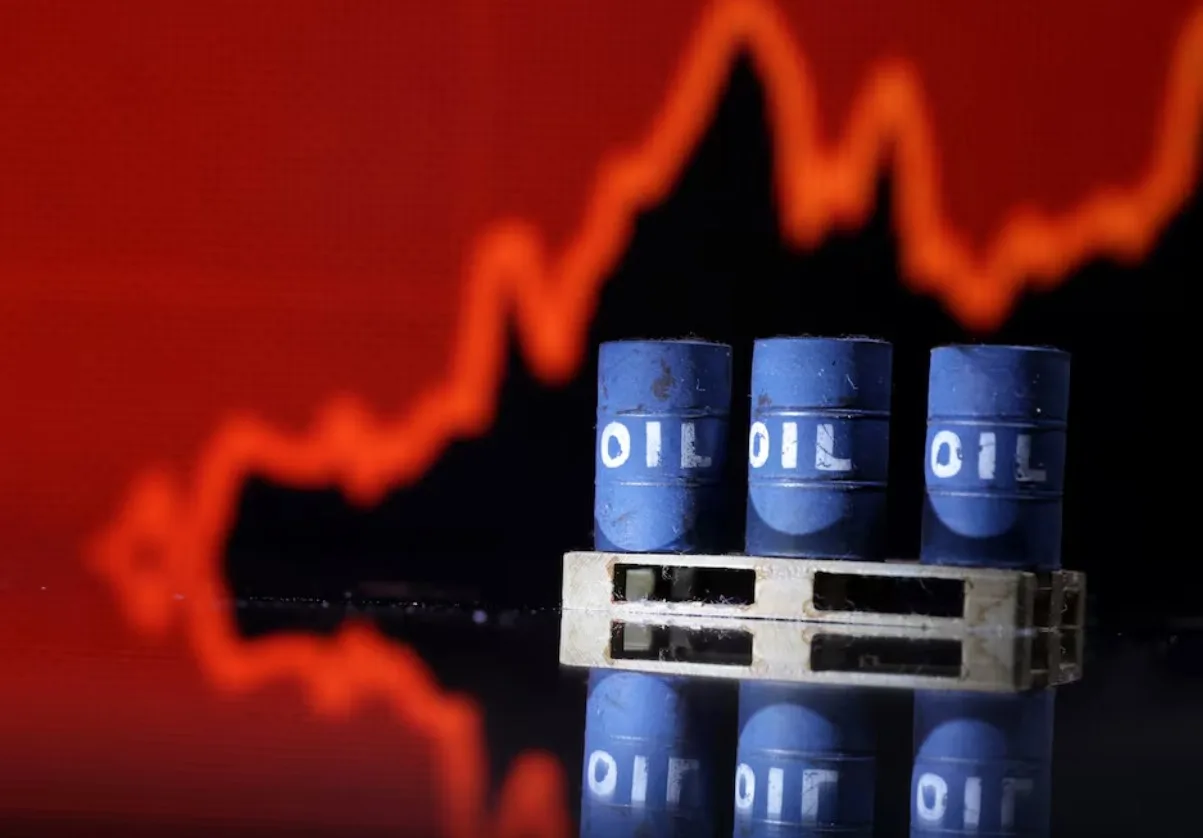
Nicosia, Cyprus. Cyprus’ latest increase in inflation is being driven by imported energy costs rather than excessive domestic demand or looser fiscal policy, economist Tassos Yiasemides said.
The Consumer Price Index reached 3.5 per cent in August, with petroleum product prices rising by 20.3 per cent year on year, according to Yiasemides.
Energy-driven inflation
Speaking to the Cyprus News Agency, Yiasemides said the increase was concentrated almost entirely in energy, while industrial products remained largely unchanged.
“Petroleum products and electricity alone are driving the index higher,” he said, adding that the rise did not indicate an overheating economy but an imported increase in costs that was beginning to affect other sectors.
International pressures
Geopolitical upheaval and uncertainty over developments in the Middle East were keeping international energy prices high, Yiasemides said. Trade tensions between the world’s largest economies were adding another layer of risk.
For Cyprus, which remains almost entirely dependent on fossil fuels, such disruptions are reflected immediately in petrol prices and, later, in electricity bills, transport costs, insurance premiums and freight rates before reaching shop shelves, he said.
Domestic exposure
Yiasemides said the main issue was Cyprus’ exposure to international disruptions rather than the disruptions themselves.
While global prices are outside Cyprus’ control, the extent of their impact on the country could be addressed domestically, he said.
“We remain a purely import-dependent economic system, with a widening trade deficit, no substantial connection to other energy networks, an electricity market that has yet to operate competitively and a primary sector that has been allowed to wither,” he said.
Cyprus continued to import goods that could potentially be produced locally, Yiasemides added. “We import products we could produce ourselves and, with them, we import the higher production costs of other countries,” he said.
This news item was generated automatically by Cyprus Inform from publicly available materials. Report an error →