Europe’s heatwave fuels wildfires, evacuations and thousands of deaths
A historically hot summer has intensified wildfires across Europe, while firefighter staffing reductions raise concerns about future emergency response.
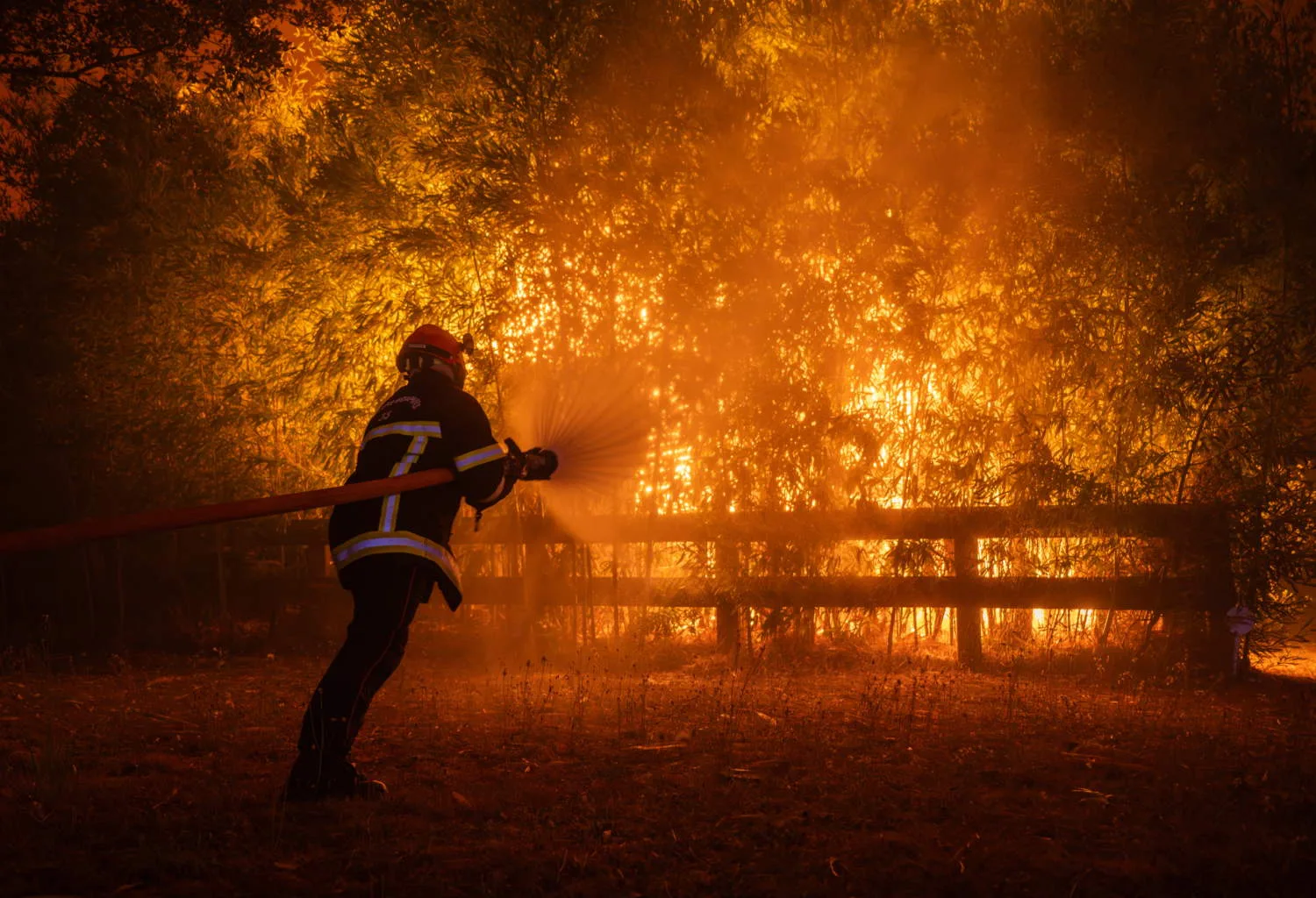
Nicosia, Cyprus. A historically hot summer across Europe has contributed to thousands of deaths, increased wildfire risks and forced thousands of people to evacuate in several countries.
Wildfires spread across Europe
High temperatures and dry conditions have fuelled wildfires in Croatia, France, Germany, Greece and Spain. Firefighters in France continued to battle several major blazes on Sunday.
Belgium recorded its largest modern-day wildfire, which devastated 30 square kilometres near its border with Germany.
Burned area data
European Union data show that 2026 has seen an exceptionally severe wildfire season. As of August 23, 2026, 623,470 hectares had burned across the EU, compared with 977,579 hectares by the same date in 2025.
The European Commission’s Joint Research Centre described 2025 as the worst year on record. However, earlier seasonal comparisons showed 2026 exceeding the previous year’s pace: by August 5, 2026, 505,683 hectares had burned, compared with 379,392 hectares by August 5, 2025.
Firefighter staffing reductions
The number of professional firefighters in Europe has fallen by 18,000, including a reduction of more than 4,000 in France.
The reductions have been linked to European Commission fiscal rules and public-service pay cuts. Poland and France experienced some of the largest reductions after being placed under an Excessive Deficit Procedure in 2024.
Economic losses
A Financial Times analysis published in August 2026 estimated that wildfires had caused more than €3.1 billion in economic losses in France, Greece, Portugal, Romania and Spain during the first roughly two months of the peak fire season.
Firefighters are responding to widespread fires while facing staffing reductions that could affect Europe’s capacity to deal with future emergencies.
This news item was generated automatically by Cyprus Inform from publicly available materials. Report an error →