Greece forecasts faster growth in 2027 as investment rises and public debt falls
Greece’s draft 2027 budget projects 2.3% economic growth, a fiscal surplus and lower public debt, alongside €2.2 billion in tax breaks and subsidies.
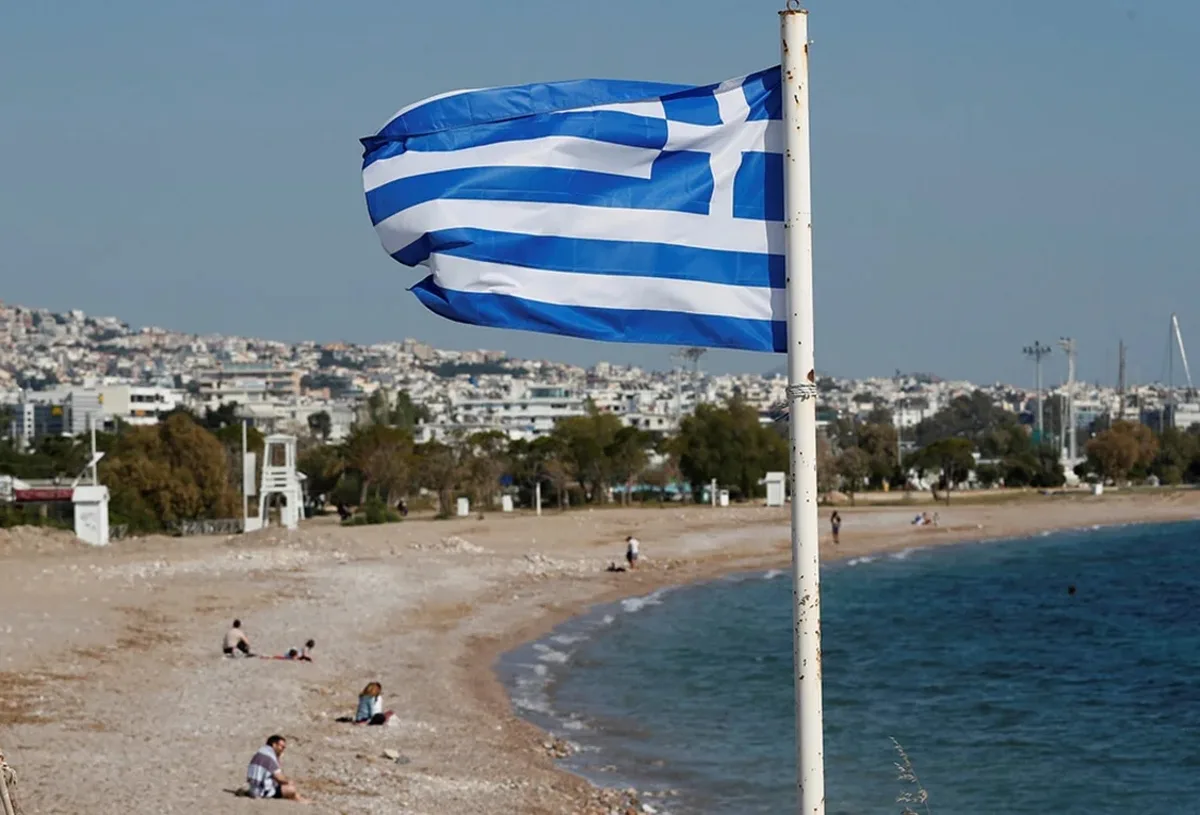
Athens, Greece. Greece expects economic growth to accelerate to 2.3% in 2027 from 2.0% this year, supported by higher investment and robust consumer spending, according to the government’s draft budget released on Monday. The forecast would put Greece ahead of Europe’s major economies.
Investment and consumption support growth
The draft budget projects investment growth of 7.9% and an increase of 1.5% in private consumption next year.
“Despite an adverse external environment, the Greek economy is expected to continue posting significantly stronger growth than the euro zone average for a seventh consecutive year,” Finance Minister Kyriakos Pierrakakis said in a press release after submitting the draft budget to parliament.
Surpluses expected to reduce public debt
The government forecasts a fiscal surplus of 0.3% of gross domestic product in 2027 and a primary surplus, which excludes interest payments, of 3.3% of GDP. Greece is among the few euro zone countries running a fiscal surplus, allowing it to reduce public debt rapidly.
The debt-to-GDP ratio is expected to fall to 128.8% in 2027 from 136.8% this year, having declined by a cumulative 67 percentage points since 2020. The ratio is forecast to drop below Italy’s by the end of this year, partly because of early repayments of bailout loans.
The stronger growth forecast and debt reduction mark a further move away from Greece’s 2009–18 debt crisis, which exposed high levels of undisclosed debt and nearly forced the country out of the euro zone.
Greece’s 10-year bond yield stood at 4.49% on Monday, compared with 4.90% for France and 4.66% for Italy.
Households continue to face financial pressure
The budget includes about €2.2 billion ($2.47 billion) in tax breaks and subsidies to support low-income households and pensioners facing high energy and housing prices.
Despite economic growth, many Greeks continue to struggle financially, limiting a stronger recovery. Around 1.5 million people, almost a quarter of the adult population, have bad loans they cannot repay.
Households’ real purchasing power remains among the lowest in the EU. The average monthly salary of €1,500 ($1,681) remains at 2009 levels.
This news item was generated automatically by Cyprus Inform from publicly available materials. Report an error →