Iceland votes against restarting European Union membership negotiations
Icelanders narrowly rejected a proposal to restart EU accession talks in an August 29 referendum, with domestic economic concerns central to the result.
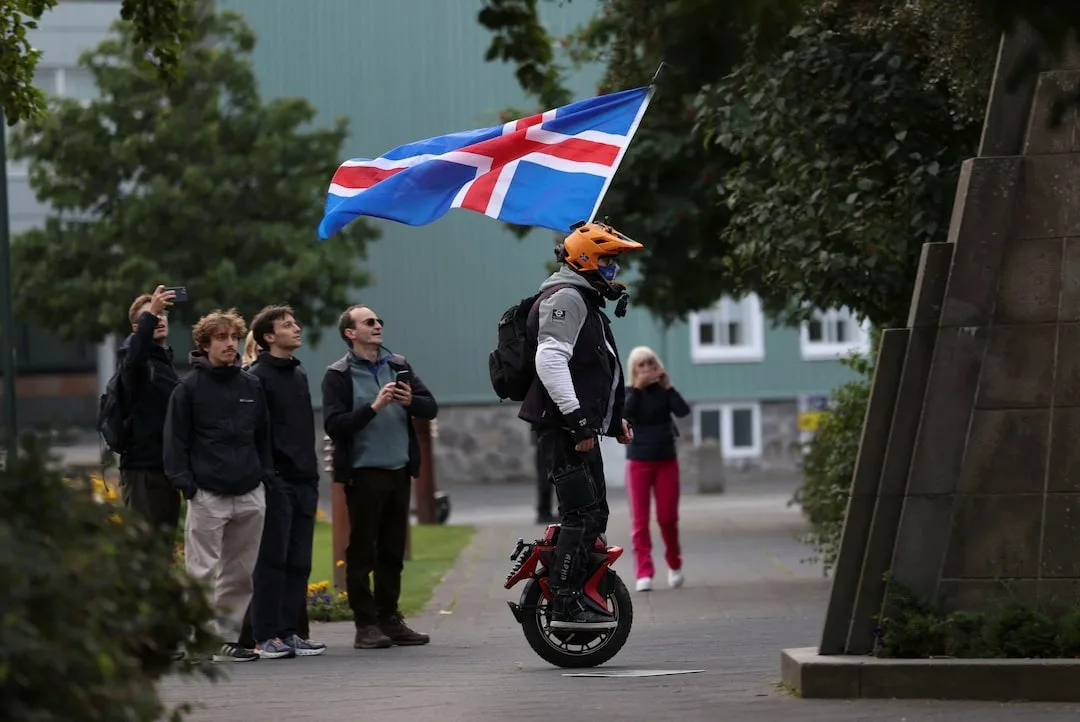
Reykjavik, Iceland. Icelanders voted narrowly against restarting negotiations to join the European Union in a referendum held on August 29, a result driven mainly by domestic economic concerns.
Public broadcaster RUV reported that 52.8% of more than 225,000 voters rejected the government proposal, compared with 47.2% who supported it.
Referendum result
Some 12,600 votes separated the two sides, according to RUV. Of around 270,000 eligible voters, 82.5% took part, marking the highest turnout in an Icelandic election since 2009.
The result was an unwelcome surprise for EU officials as they returned to work in September. The bloc is more accustomed to countries seeking membership than rejecting renewed accession talks.
EU accession developments
Several European countries continue to pursue EU membership. Ukraine, Moldova, Montenegro and Albania made progress in July, when the EU held accession conferences with all four countries on July 14.
Ukraine and Moldova opened new areas of negotiations, while Montenegro and Albania provisionally closed several negotiating chapters. Montenegro has provisionally closed 18 of the EU’s 33 negotiating chapters, while Albania has closed three.
The progress reflects the EU’s appeal to countries seeking closer political and economic ties with Europe amid growing security concerns. Iceland’s vote, however, showed that this appeal is not shared by all countries.
Security and domestic concerns
EU lawmakers had expected Iceland’s referendum to focus on regional security concerns. Russia’s war in Ukraine has raised tensions across Europe, while uncertainty over Greenland and Donald Trump’s ambitions towards the Arctic have added to concerns about security in Iceland’s region.
Sweden and Finland joined NATO shortly after Russia’s invasion of Ukraine, while Ukraine continues to seek membership of both NATO and the EU. Canada has also been seeking to strengthen its relationship with the EU.
Iceland is already a NATO member, but its decision not to restart EU membership negotiations was mainly linked to domestic economic issues. The fishing industry, which accounts for almost 40% of Iceland’s goods exports, strongly opposed EU membership.
Existing ties with Europe
Iceland remains closely integrated with the EU through the European Economic Area, which provides access to the EU single market, and through the Schengen area, which allows passport-free travel across much of Europe.
Its NATO membership also provides a security partnership at a time of growing tensions with Russia. Supporters of remaining outside the EU argue that these arrangements provide sufficient economic and security benefits while preserving greater national control.
Fishing groups have raised concerns that EU rules could allow foreign vessels greater access to Icelandic waters and impose restrictions that could harm the industry.
This news item was generated automatically by Cyprus Inform from publicly available materials. Report an error →