Iran-Oman Strait of Hormuz proposal faces sanctions and insurance obstacles
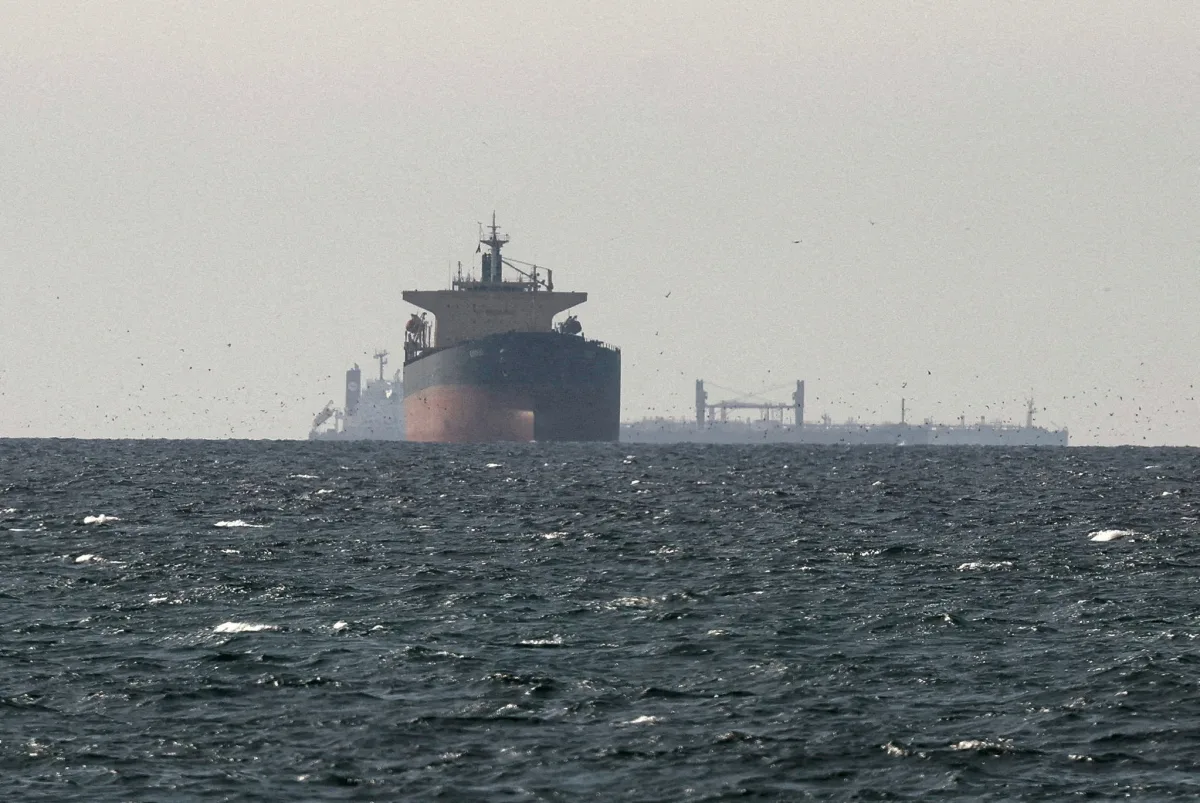
Tehran, Iran. A proposed agreement between Iran and Oman that would give Tehran control over ships entering the Gulf through the Strait of Hormuz faces practical obstacles due to U.S. sanctions and restrictive insurance clauses on payments, four industry sources said.
The proposal has emerged as control of the strait remains the main sticking point in efforts to end the conflict following U.S.-Israeli airstrikes on Iran at the end of February.
Proposed shipping arrangements
Until the airstrikes, the narrow waterway between the Gulf and the Indian Ocean was the main route for about one-fifth of global oil supplies and other vital goods. It had been open to all vessels without charges.
Under the latest proposal, Tehran would be able to intervene when necessary in any inbound traffic, a senior Iranian source told Reuters this week.
Outbound traffic would follow a route between Iran and Oman, with exit clearance granted through Oman after Iran had been notified, the source said.
Industry concerns
The world’s leading shipping associations said in an open letter this week that merchant ships must be able to navigate international waterways “safely, predictably and without unnecessary impediment” to support resilient supply chains, economic stability and energy security.
The letter, sent to the UN’s shipping agency, said compulsory transit or service charges through the strait would amount to “a toll in all but name”.
It said such charges would create a precedent that could undermine the internationally recognised legal framework governing straits used for international navigation and transit passage.
Fees and routing system
A two-way traffic separation scheme was adopted by the UN’s shipping agency in 1968 with the agreement of countries in the region. The scheme established the current ship-routing system, dividing sailing corridors through Iranian and Omani waters.
According to the senior Iranian official, Iran is seeking fees of between 5% and 7% of cargo values from ships using the strait. Oman is discussing fees of about 3%, while Washington wants no fees.
The UN’s International Maritime Organization said it could not comment on reports of the proposals.
This news item was generated automatically by Cyprus Inform from publicly available materials. Report an error →