Iran says it has received US response to Gulf ceasefire proposal
Tehran said it had received Washington’s response to a proposal to restore a collapsed Gulf ceasefire, days after President Donald Trump said he had rejected the plan.
Tehran, Iran. Iran said on Wednesday it had received a US response to its latest proposal to revive a collapsed ceasefire in the Gulf. President Donald Trump said on Sunday that he had rejected the proposal, though Iranian Foreign Minister Abbas Araqchi said Tehran had not received a formal rejection.
Proposal and talks
The US-Israeli war against Iran is entering its eighth month. Under a plan Iran put forward last week, the United States would lift its blockade of Iranian ports and Iran would reopen the disrupted Strait of Hormuz within seven days.
Iran says the plan is intended to restore an interim agreement that collapsed weeks after Trump and Iranian President Masoud Pezeshkian signed it in June. An Iranian government spokesperson said in a post on X on Wednesday that Araqchi had conveyed a US response to the government.
Last week, Qatari mediators shuttled between US and Iranian envoys in New York on the sidelines of a United Nations meeting. They were the first proximity talks between the warring sides since the ceasefire unravelled.
A non-Iranian official briefed on the talks told Reuters on condition of anonymity that the Qataris briefed Araqchi on the US response on Tuesday, when he stopped in Doha on his way home from New York. The official said the sides largely agreed on the steps needed but disagreed on their order.
Iraq withdrawal and shipping
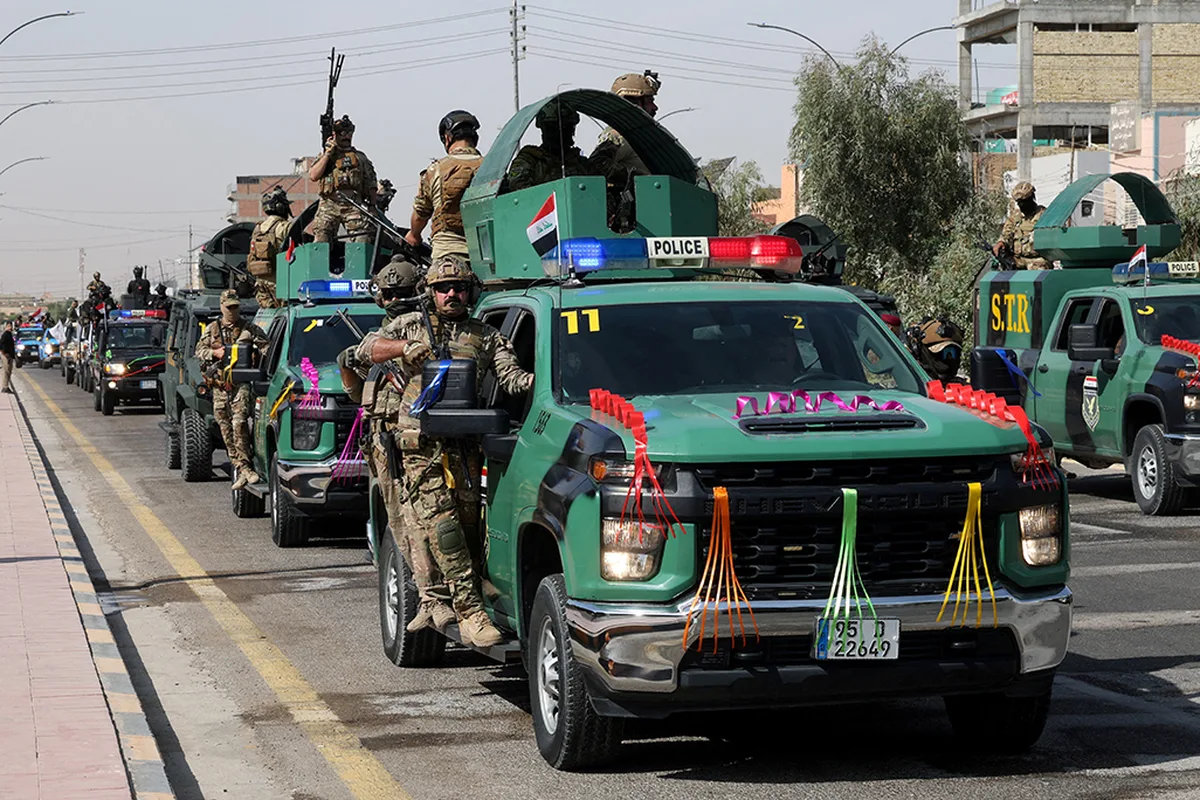
Iran’s allies celebrated on Wednesday after Washington withdrew its last forces from neighbouring Iraq. Tehran sees the pullout as a victory for its “axis of resistance” of allied armed groups and a step towards its goal of driving US forces out of the region.
The Iraq war, the biggest US war of the century, killed 4,500 US troops. More than 200,000 Iraqi civilians were killed in the chaos that followed the US-led overthrow of dictator Saddam Hussein in 2003.
Iran wants an eventual deal to give it control over the Strait of Hormuz, the world’s most important oil shipping route, which runs past its coast. Shipping through the strait has increased in recent weeks, with shippers charging high fees because of the risk of attacks, but flows of crude oil, refined products and natural gas remain substantially disrupted.
Britain’s UKMTO maritime security body reported on Wednesday that two ships had been hit by projectiles the previous day.
This news item was generated automatically by Cyprus Inform from publicly available materials. Report an error →