Iran war stalemate weighs on Trump as U.S. shifts to economic pressure
Six months into the conflict with Iran, the United States is pausing further strikes while disruptions in the Strait of Hormuz and falling public support persist.
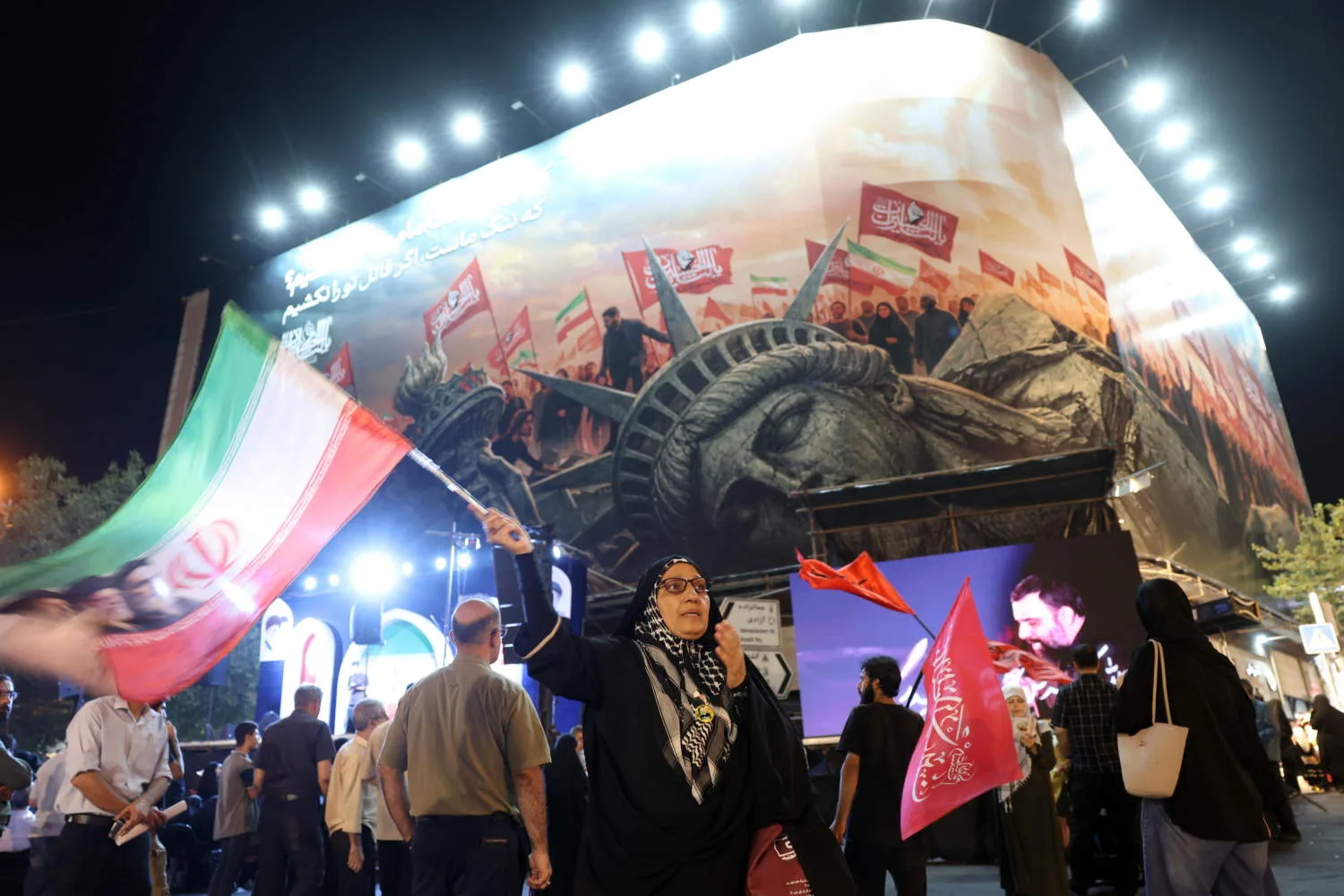
Washington, United States. Six months after the United States and Israel launched strikes on Iran, the conflict has become an unpopular stalemate, with no clear path to ending it and continued disruption to shipping through the Strait of Hormuz.
President Donald Trump, who described the war as a “little excursion” and initially predicted it would end within four weeks, faces declining approval ratings as rising fuel prices and voter concerns over costs add pressure before November’s midterm elections.
Shift towards economic pressure
Iran has not surrendered, and the United States is reverting to economic pressure in an effort to further weaken Iran’s government after concluding that additional military strikes are unlikely to force concessions.
Secretary of State Marco Rubio has told allies that further U.S. attacks are unlikely “for the time being.”
Domestic political pressure
Reuters/Ipsos polling showed Trump’s approval rating falling from 40% to 33% since the conflict began. Just 31% of respondents approved of the war, a lower level than other recent U.S. conflicts had at a similar stage, including the war in Afghanistan, which had approval ratings above 50% for years in Gallup polls.
Trump has argued that Iran’s missile buildup and nuclear ambitions required military action, despite campaigning on a pledge to end wars. Rising gas prices have also undercut his 2024 campaign promise to lower costs for Americans.
Voter anger over high prices poses a challenge for the Republican Party as it seeks to defend narrow majorities in both chambers of Congress in the November midterm elections.
The conflict has also widened divisions within the Republican Party between isolationist members seeking a rapid end to the war and lawmakers who believe military pressure on Tehran should continue.
Energy disruption and global growth
The U.S. and Israeli attacks raised immediate concerns over the Strait of Hormuz, which narrows to about 21 miles, or 34 kilometres, between Iran and Oman and carries roughly one-fifth of global energy supplies.
The shipping disruption pushed oil prices sharply higher and prompted concerns about a global economic downturn. While the economic impact has been significant, it has been less severe than many economists initially expected.
The International Monetary Fund has cut its global growth forecast twice since the conflict began. It now expects the global economy to expand by 3.0% this year, compared with a 3.3% forecast in January.
This news item was generated automatically by Cyprus Inform from publicly available materials. Report an error →