Kyrenia mayor estimates town’s population at up to 160,000
Kyrenia’s Turkish Cypriot mayor Murat Senkul said the town’s population is between 150,000 and 160,000, based on utility and waste data.
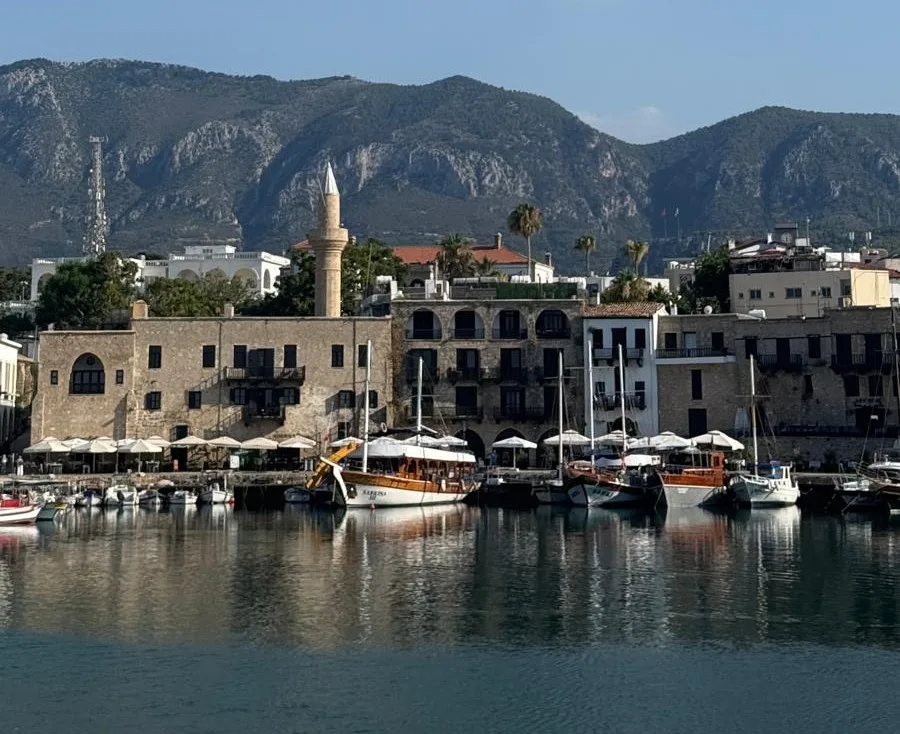
Kyrenia, Cyprus. Kyrenia’s Turkish Cypriot mayor Murat Senkul said at least 150,000 people currently live in the town, disputing lower population figures cited by the central Turkish Cypriot administration.
He said the north’s de facto population could range from around 800,000 during quieter periods to 900,000 during busier periods.
Removal of population sign
Senkul told Yeniduzen that he removed a roadside sign after being elected in 2022 which stated that Kyrenia’s population was 33,200.
“What else could I have done besides taking down that sign? If I had just added the number one in front of it and it said 133,000, that would have been fraudulent. You cannot hang something at the entrance of a town and present it as official data when you do not know the actual number,” he said.
He said the sign was removed to raise awareness about the town’s growing population.
Population estimates
Senkul said data including water consumption, the number of meters and households, and the volume of rubbish collected indicated that Kyrenia’s population was between 150,000 and 160,000.
He said the actual nationwide population in the north was around 800,000 at its lowest and 900,000 at its busiest.
Criticism of official figures
Senkul criticised ‘prime minister’ Unal Ustel over differing population estimates. Ustel said in July last year that the north’s population was 590,000, excluding foreign students and Turkish soldiers, and said last week that it was “around 500,000”.
“Has the population decreased? No. They give contradictory figures and make themselves look ridiculous because they are ashamed to admit they do not know,” Senkul said.
He added that interior minister Dursun Oguz had acknowledged that accurate population information was not available.
Planning concerns
Senkul said population growth was no longer driven by state-sponsored population transfers from the Republic of Turkey, as had occurred in the 1980s.
He said people from Turkey, Pakistan and Bangladesh were arriving for individual economic reasons because they believed the country was European Union territory.
“We need to separate the number of citizens from the actual population. A state which does not know its population cannot plan. To how many people will you provide healthcare, education, and transportation services?” he said.
This news item was generated automatically by Cyprus Inform from publicly available materials. Report an error →