Municipalities warn Cyprus is unprepared for 2027 Pay As You Throw rollout
The Union of Cyprus Municipalities says infrastructure, funding and organic-waste collection gaps could shift costs of the new waste-charging system onto households.
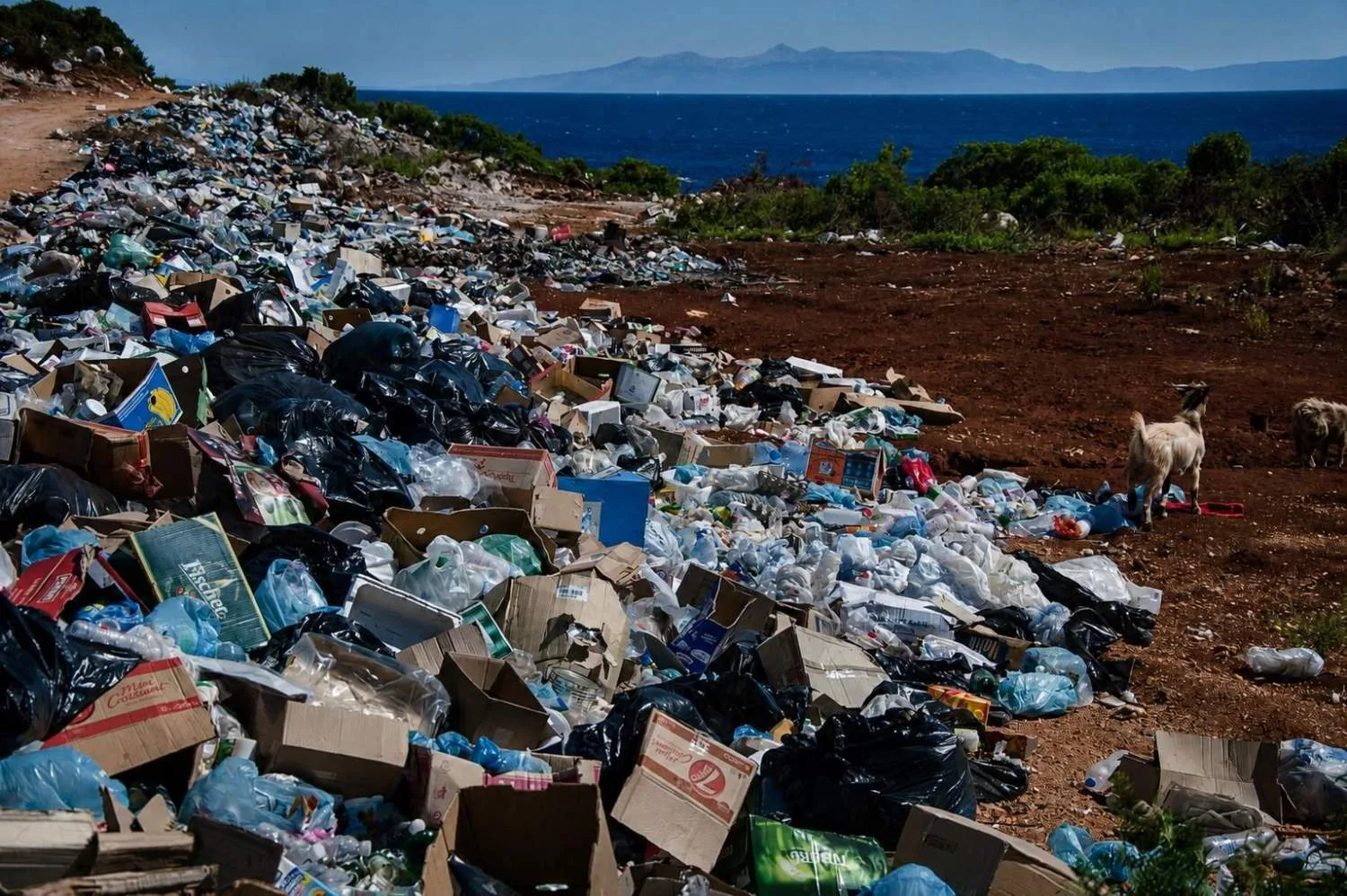
Nicosia, Cyprus. Cyprus’ municipalities have warned that the country is not ready for the nationwide introduction of the Pay As You Throw waste-charging system on 1 January 2027, citing state delays and infrastructure gaps.
The Union of Cyprus Municipalities said households and local authorities should not bear the cost of shortcomings in infrastructure required for the system’s operation.
Concerns over planning and infrastructure
In a statement issued on 25 August, the Union said the public announcement of a universal launch had been made without prior substantive consultation or agreement with local government.
It said an undertaking of this scale required comprehensive planning, institutional dialogue, guarantees of necessary infrastructure, adequate funding and equipment, rather than public statements and unilateral deadlines.
Under Pay As You Throw, residents pay according to the volume of unsorted waste they produce, usually through prepaid rubbish bags. The system is intended to encourage sorting and recycling and reduce the amount of waste sent to landfill.
The Union said statements by the Department of Environment revealed contradictions in the planning, with mandatory implementation announced within months while key conditions remained unmet. It noted that a new state treatment unit, budgeted at €20 million, had not yet been allocated a location.
Organic waste collection
The Union said separate household collection of organic waste was not planned for the system’s launch, despite this being central to the Pay As You Throw model.
It said residents must be able to separate waste and reduce mixed rubbish in order to lower their charges. Without organic-waste collection from households, that ability would be significantly limited, creating a risk that an environmental measure could become an additional financial burden.
Separate household organic-waste collection has been a legal requirement in Cyprus since January 2024. The original implementation date under Cyprus’ EU obligations was 1 July 2024.
Household organic-waste separation is not expected to begin alongside the January launch and is instead expected to be introduced gradually. Collection is to start with large producers, including hotels, restaurants, hospitals and military camps, while regulations are still required to define eligible businesses and collection responsibilities.
Funding and landfill dependence
The dispute comes amid a broader disagreement over local government funding. Municipalities have called for annual state grants to rise from about €117 million to €170 million, arguing that inflation and increasing operational demands have exceeded current support.
Municipalities have also objected to a separate government proposal for a landfill tax, saying it would impose additional charges before underlying problems are resolved.
About 68% of municipal waste in Cyprus is currently sent to landfill, compared with the EU target of reducing landfill disposal to 10% by 2035.
Call for national plan
The Union said it had requested an official meeting with the new Agriculture, Rural Development and Environment Minister.
It called for the immediate presentation of a comprehensive national plan with a clear timetable, adequate funding and a defined division of responsibilities. The Union said the green transition was a shared goal and a necessity, but could not be achieved through unilateral announcements and deadlines that did not reflect the country’s capacity to deliver.
This news item was generated automatically by Cyprus Inform from publicly available materials. Report an error →