Prison overcrowding strains police detention facilities across Cyprus
Overcrowding at the central prison has pushed police detention facilities beyond capacity, raising concerns over detainee safety, hygiene and human rights.
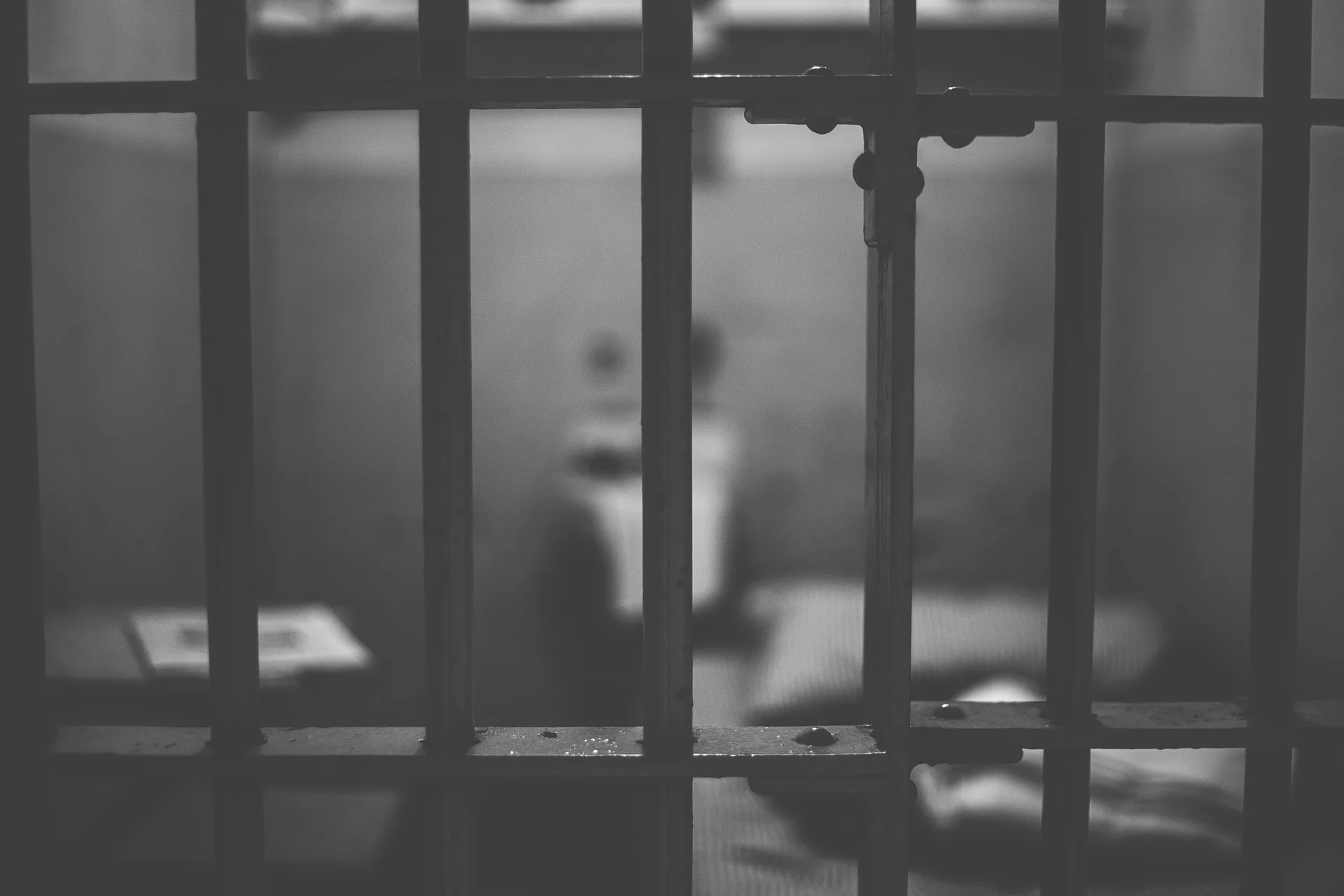
Nicosia, Cyprus. Overcrowding at the central prison is increasing pressure on police detention facilities, where some detainees are reportedly sleeping on floors amid concerns over hygiene, safety and human rights.
At Lakatamia police station, a facility designed for 40 people is holding 77 detainees, according to Phileleftheros.
Capacity pressure
Detainees at Lakatamia police station who would normally be allowed access to the exercise yard twice daily are being kept in their cells for security reasons due to overcrowding.
The practice is contrary to recommendations of the Council of Europe’s Committee for the Prevention of Torture.
The pressure has intensified as convicted prisoners who should be held at the central prison are transferred to police cells because of a lack of space. Police have consequently been moving their own detainees to available cells at stations elsewhere on the island.
Migration cases
Irregular migrants detained during routine police operations are being transferred to migrant reception centres, including cases in which they are suspected of criminal offences.
Union concerns
Nicos Loizides, head of the police branch of the Isotita trade union, said police stations across Cyprus have approximately 160 detention places.
He said that up to 80 per cent of those places are occupied by convicted prisoners and people awaiting trial who would normally be held at the central prison.
Loizides told Phileleftheros that the union had proposed measures including alternative detention facilities, warning that the situation posed risks to the health and safety of detainees.
“With the daily arrests and detentions, the capacity at the police detention facilities is at 130 per cent on a daily basis. These are numbers that are dangerous for uprisings or accidents,” he said.
This news item was generated automatically by Cyprus Inform from publicly available materials. Report an error →