Qatar’s prime minister to visit Tehran as US and Iran tensions persist
Qatar’s prime minister will visit Tehran on Thursday as Washington increases economic pressure on Iran and negotiations over the Strait of Hormuz remain unresolved.
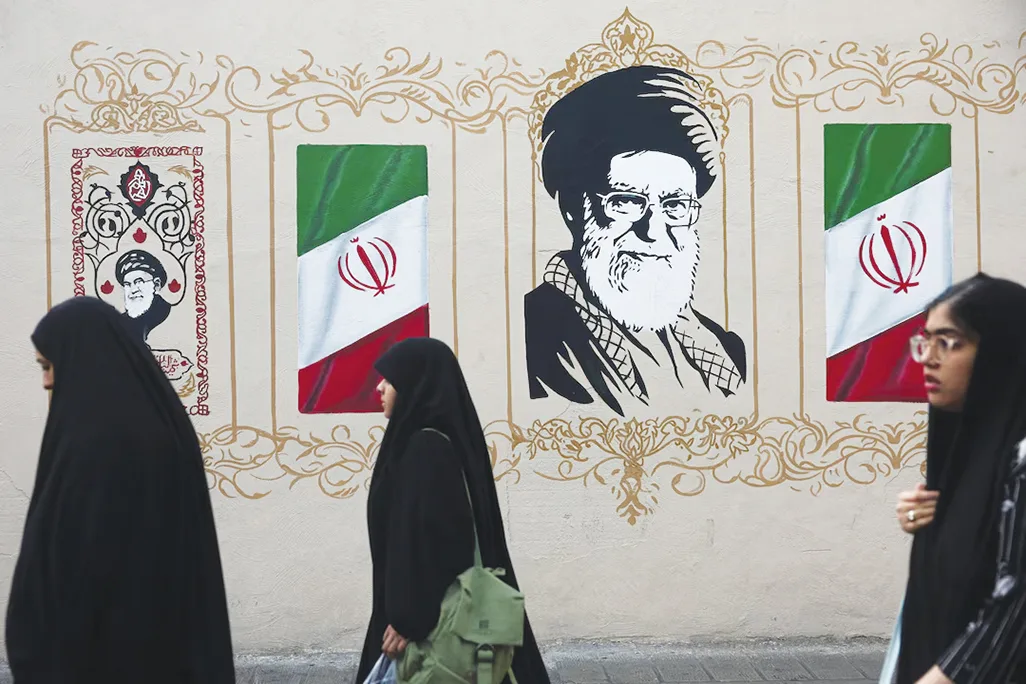
Tehran, Iran. Qatar’s prime minister will visit Tehran on Thursday in an effort to revive diplomacy after the United States and Iran exchanged accusations over Washington’s plans to increase economic pressure on Tehran by targeting its trade partners with sanctions.
Qatar, a Gulf neighbour of Iran and a US ally, has acted as a back-channel negotiator between the parties and played a direct role in securing the June ceasefire that briefly halted hostilities.
Diplomatic impasse
The visit comes as the war approaches its sixth month, with fighting largely paused but no diplomatic breakthrough in sight. The United States and Iran remain divided over control of the Strait of Hormuz, a strategic route for global oil supplies that Tehran has used as leverage.
The memorandum of understanding collapsed partly because of differences over the narrow waterway between Iran and Oman, through which one-fifth of global oil supplies passed before the war began on February 28.
Tanker incident
An unidentified projectile struck a tanker in the Strait of Hormuz early on Thursday, causing a fire that was later extinguished, according to the United Kingdom Maritime Trade Operations agency. All crew members were safe and accounted for.
The UN’s International Maritime Organization has reported 70 incidents in the Strait of Hormuz since February 28, resulting in the deaths of 19 seafarers.
Oil flows and sanctions
The guns have largely fallen silent, with the US military’s Central Command not reporting attacks on Iran for nearly a month. Washington appears to be relying more heavily on economic pressure, announcing plans to limit Iran’s access to trading partners through expanded sanctions.
Oil flows through Hormuz fell to a three-month low of 5 million barrels per day on Monday, according to the latest ship-tracking data. Before the war, the strait carried about 20 million barrels of crude oil per day.
Iran-Oman discussions
Iran’s Revolutionary Guards said on Wednesday that Iran and Oman had agreed on how to share the waterway and its revenues. However, a senior Iranian source later said the two countries were still working out the details of an agreement.
Despite aerial bombardment earlier in the war that severely reduced Iran’s conventional forces, Tehran has retained sufficient missile and drone capabilities to attack Gulf neighbours hosting US military bases and to disrupt oil tankers in the strait.
This news item was generated automatically by Cyprus Inform from publicly available materials. Report an error →