Sentencing in Demosthenous murder-linked car theft case set for September 23
A 30-year-old man who admitted stealing a priest’s car allegedly linked to the planning of Stavros Demosthenous’ murder will be sentenced on September 23.
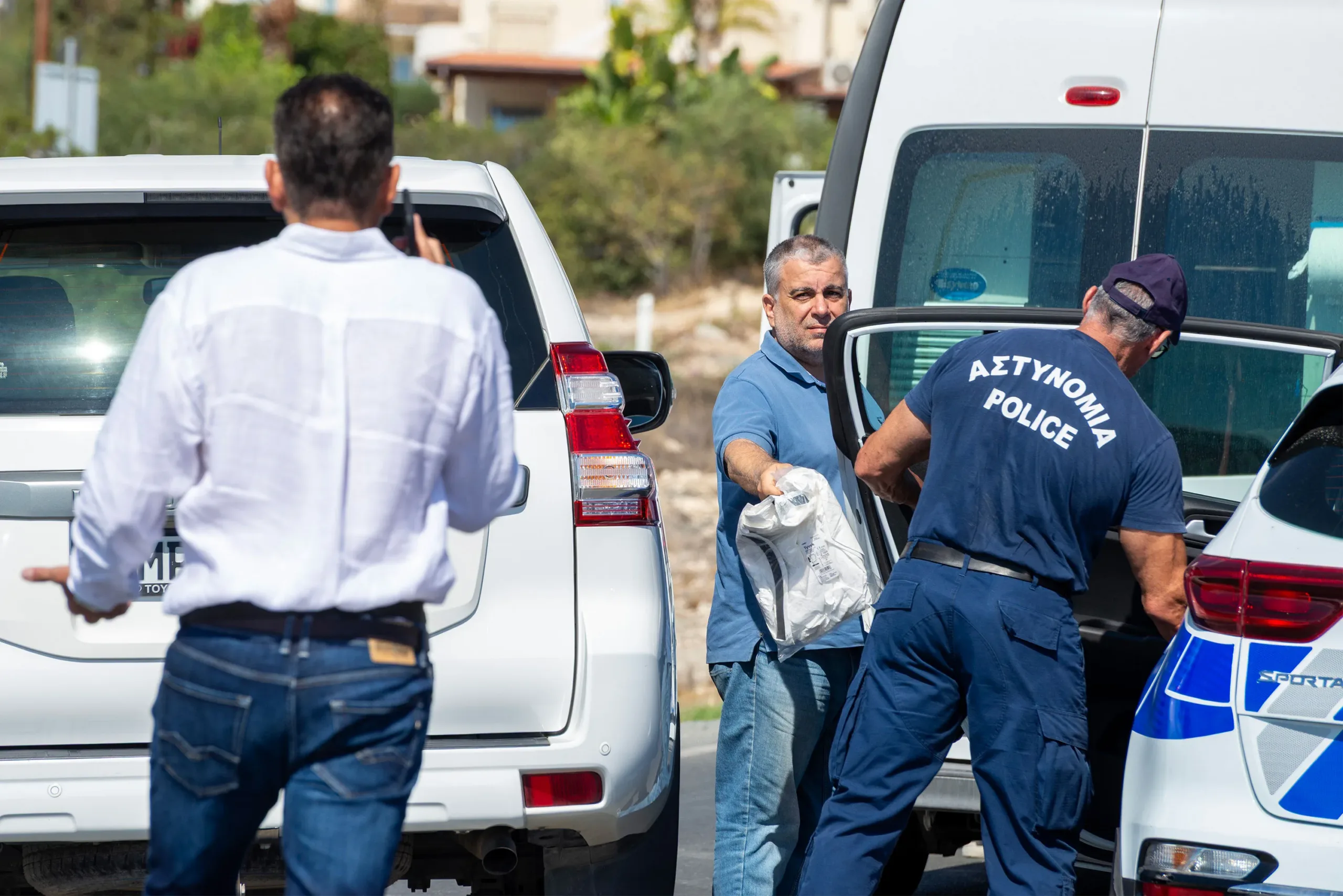
Limassol, Cyprus. A 30-year-old man facing a single charge of car theft in connection with the murder of businessman Stavros Demosthenous will be sentenced on September 23, the Limassol criminal court heard on Tuesday. The date was also set for the next stage of proceedings against three co-defendants who still face murder charges.
Car theft admission
The defendant again admitted stealing a priest’s car on October 5 last year.
Proceedings against a second 30-year-old and a 51-year-old, who had previously been named alongside him, were discontinued at an earlier hearing. He is now the only one of the original six defendants facing the narrower car theft charge.
Prosecution allegations
Prosecutors told the court that the vehicle was believed to have been stolen as part of the planning of Demosthenous’ murder on October 17 last year.
Police recovered the car on October 14, fitted with false registration plates.
According to the prosecution, the 30-year-old instructed another man to steal the vehicle, saying that the priest who owned it habitually left it unattended with the keys inside.
The other man is alleged to have taken the car while the priest was conducting a church service and delivered it to the defendant in Nicosia for €300.
The defendant is then alleged to have passed the vehicle to another person, acting on instructions he had received.
Defence submissions
The defence questioned the fairness of the process, noting that the man alleged to have carried out the theft had not been prosecuted.
The defendant’s lawyer cited a welfare office report, his status as the father of a young child, his immediate admission of guilt, the return of the car to its owner undamaged, and the psychological strain of previously facing more serious charges connected to the murder.
This news item was generated automatically by Cyprus Inform from publicly available materials. Report an error →