Smotrich faces settler backlash before Israel’s October election
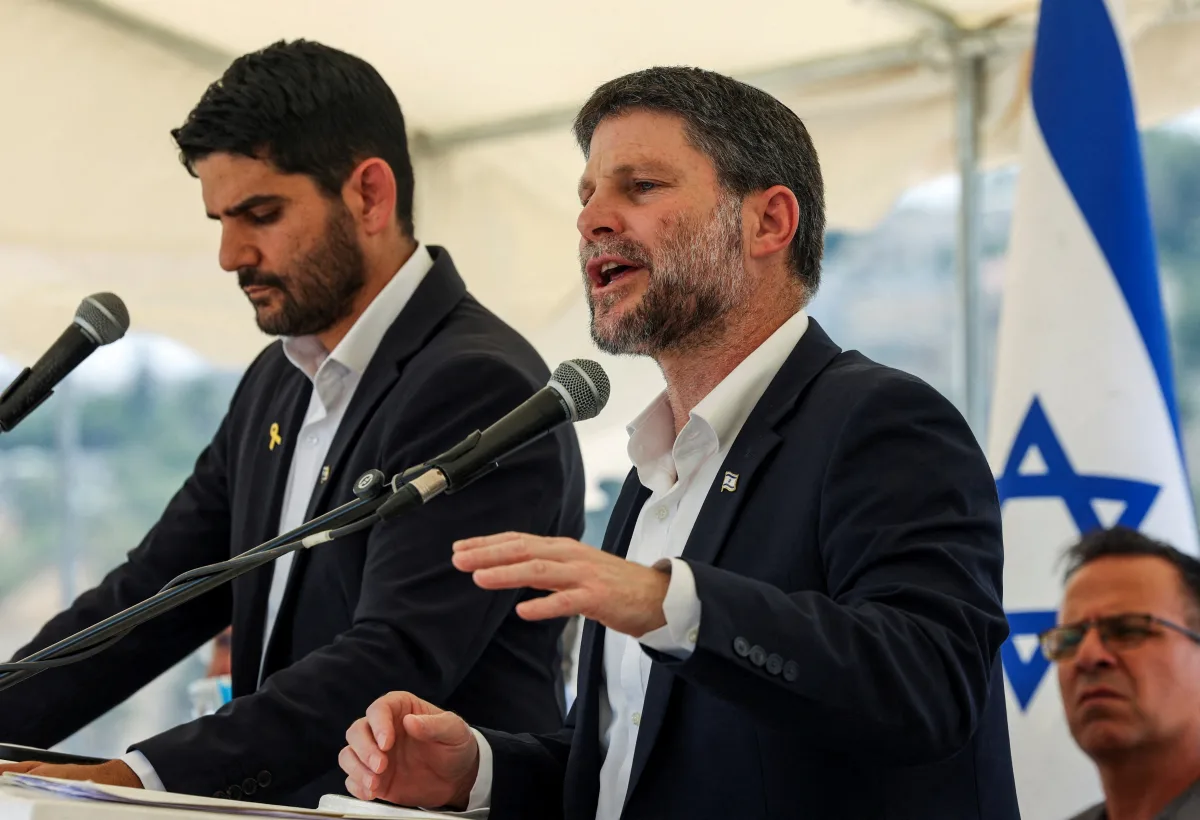
Jerusalem, Israel. Far-right Finance Minister Bezalel Smotrich faces a challenge to retain political support ahead of Israel’s October 27 election after backing legislation to prevent the arrest of ultra-Orthodox Jews who avoid military service.
The dispute highlights the difficulties Prime Minister Benjamin Netanyahu faces in maintaining unity among coalition allies before the first election since the Gaza war began.
Settler support and criticism
Smotrich, 46, is a lifelong settler in the Israeli-occupied West Bank and leads the Religious Zionism party. The party opposes the establishment of a Palestinian state and says Jewish claims to land between the Jordan River and the Mediterranean Sea are based on the Bible.
Several Western countries have barred Smotrich from entry over accusations that he supports settler violence against Palestinians in the West Bank. Smotrich and the Israeli government reject those accusations.
Smotrich has expanded settlement construction during his time in government and remains popular with many in the settler movement. Chaim Silberstein, a resident of Beit El, where Smotrich grew up, said his achievements had been significant, pointing to new apartment blocks in the settlement.
However, some previous supporters have reacted angrily to Smotrich’s support last month for legislation protecting ultra-Orthodox Jews from arrest for avoiding the draft.
Sarel Halperin, 30, from the West Bank settlement of Alon Shvut, said he had voted for Religious Zionism in 2022 but no longer had a political home. He said the continued avoidance of service could leave Israel without sufficient reservists or an army.
Coalition dispute over military service
Religious Zionists, including Smotrich and his supporters, are commonly known as “knitted kippahs”, referring to the skullcaps worn by Orthodox Jewish men who dress in a modern style. They view Judaism and nationalism as closely linked.
Their position has created political tension with some ultra-Orthodox communities, whose members traditionally dress differently and whose sons have generally avoided military service in favour of religious study.
Both groups are represented in Netanyahu’s coalition, which has struggled to prevent a split over the issue since a 2024 Supreme Court ruling found that the exemption from military service for religious study was unlawful.
This news item was generated automatically by Cyprus Inform from publicly available materials. Report an error →