Trump’s UN speech and Xi summit leave major foreign policy disputes unresolved
Trump threatened Iran in a UN address, while talks with Xi Jinping appeared to yield a two-month extension of a US-China trade truce.
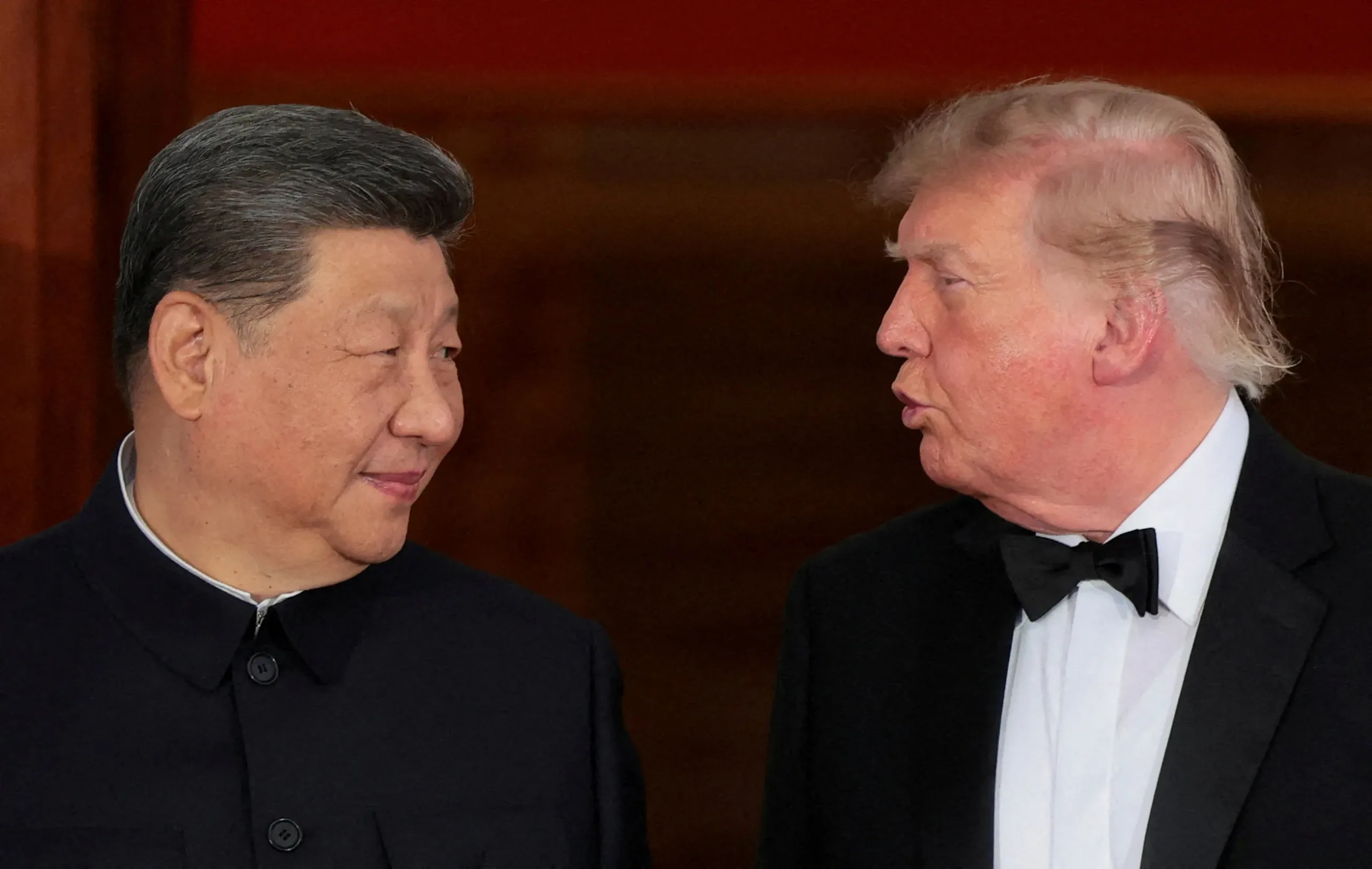
Washington, United States. President Donald Trump sought to reassert himself on the world stage this week with an address to the UN General Assembly and a White House summit with Chinese leader Xi Jinping. The diplomatic push came amid the widening Iran war, strained relations with allies and an intensifying AI challenge from China.
Pressures on Trump’s agenda
The Iran war has raised US gasoline prices and driven down Trump’s approval ratings. Analysts say those pressures, along with pushback from world leaders over the Middle East crisis and Russia’s war in Ukraine, have exposed limits to his influence and left his foreign policy agenda stalled. His Republican Party also faces midterm elections in November that could further constrain him politically.
Trump’s speech to the United Nations on Tuesday underscored how he has challenged the rules-based global order Washington helped establish after World War Two since returning to the White House last year. At the organisation devoted to peacemaking, he threatened to “annihilate” Iran unless it agreed to a deal, defended his coercive approach to OPEC member Venezuela by saying “to the victor belong the spoils,” and indicated he might again use the US military to pursue international objectives.
Xi talks yield limited result
At Thursday’s summit, Xi appeared to be in a stronger position, with China’s trade with the rest of the world surging while the US faced economic fallout from the Iran conflict. Xi’s state visit featured ceremony but produced little apparent progress on disputes involving AI, trade, Taiwan and Iran. The clearest outcome was a two-month extension of a US-China trade truce that had been due to expire in November.
Trump did not publicly emphasise differences between the two countries. Chinese state media reported that Xi urged him in private to oppose independence for Taiwan, the democratically governed island claimed by China and the most contentious issue in US-China relations.
Trump’s approach contrasted with his earlier reliance on tariffs. Beijing’s control of rare earth minerals, which are important to technology and car manufacturing, has tempered that approach; China has shown it can withhold them in retaliation.
“Trump sees himself taking us back to a world where might makes right,” said Brett Bruen, a former foreign policy adviser in the Obama administration who now heads the Global Situation Room strategic consultancy. “But it’s noteworthy that he goes all wobbly when it comes to Xi Jinping and ascendant Chinese power.”
This news item was generated automatically by Cyprus Inform from publicly available materials. Report an error →