Turkey lifts asset freezes on 46 companies in market manipulation probe
The decision follows new assessments by Turkey’s Capital Markets Board as investigators examine large share trades linked to an investment fund crisis.
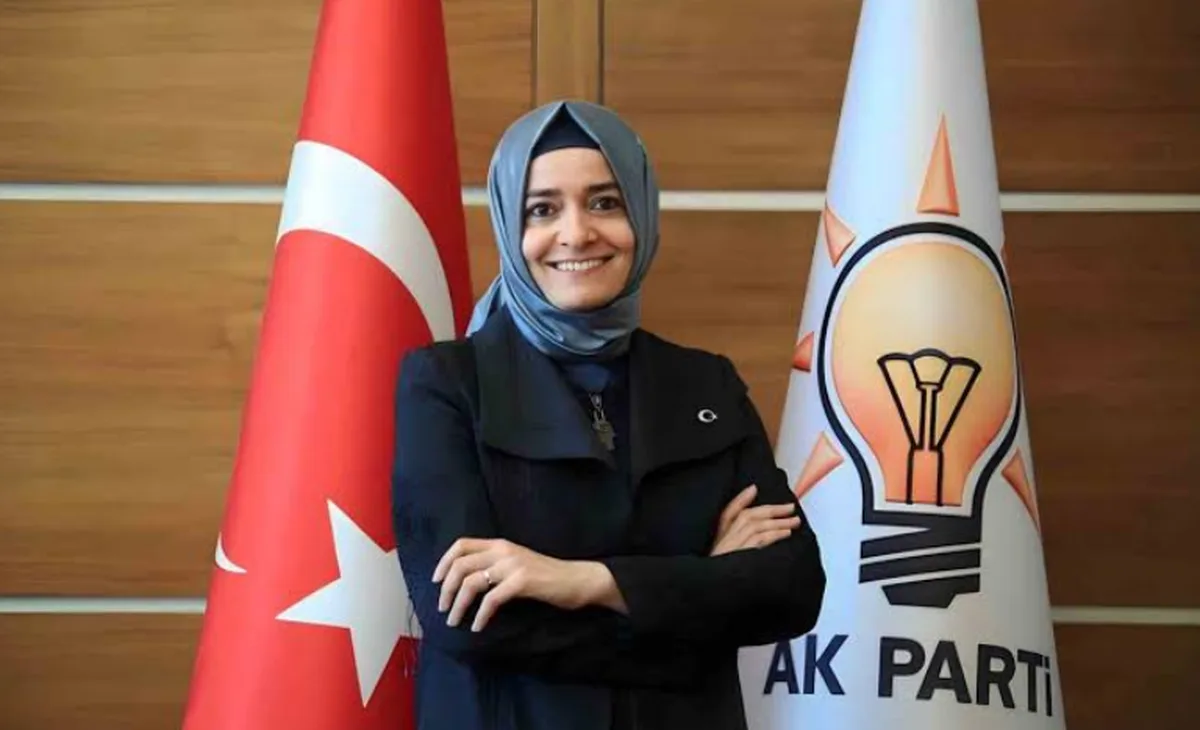
Istanbul, Turkey. Turkish authorities have lifted asset-freeze orders on 46 companies in an investigation into investment funds and alleged market manipulation, broadcaster NTV and other media reported on Monday. The Istanbul chief prosecutor’s office said the decision followed new assessments and notifications from the Capital Markets Board (SPK), according to NTV.
Investigation into share trading
The companies were among dozens of legal entities, investment funds and individuals whose assets were frozen as investigators examined large stock market transactions. The trades took place between July, when the funds reached peak assets under management, and September 16, the day before the SPK ordered the liquidation of scores of funds during a liquidity crisis.
Justice Minister Akin Gurlek said last week that investigators were scrutinising large share purchases and sales during that period. Authorities had frozen the assets of 46 companies, 18 funds and 42 individuals, and imposed overseas travel bans on 37 people.
AK Party official resigns
At the weekend, Fatma Betul Sayan Kaya, a deputy chair of President Tayyip Erdogan’s AK Party, resigned from her party posts after an opposition politician alleged that she and her husband had made substantial profits trading Ozata Denizcilik OZATD.IS shares ahead of the market turmoil.
Kaya said on X that she considered it necessary to take political responsibility while the allegations were examined and had asked Erdogan to relieve her of all her posts. She did not comment further on the specifics of the allegation.
The crisis erupted after suspected price manipulation in several thinly traded stocks triggered heavy losses and redemption pressures at investment funds, prompting regulators to take emergency measures to support financial stability.
This news item was generated automatically by Cyprus Inform from publicly available materials. Report an error →