US ends Iraq mission as concerns grow over security and economic leverage
The US withdrawal raises concerns about a security vacuum, while Iraq’s reliance on oil revenues held at the New York Fed gives Washington continued leverage.
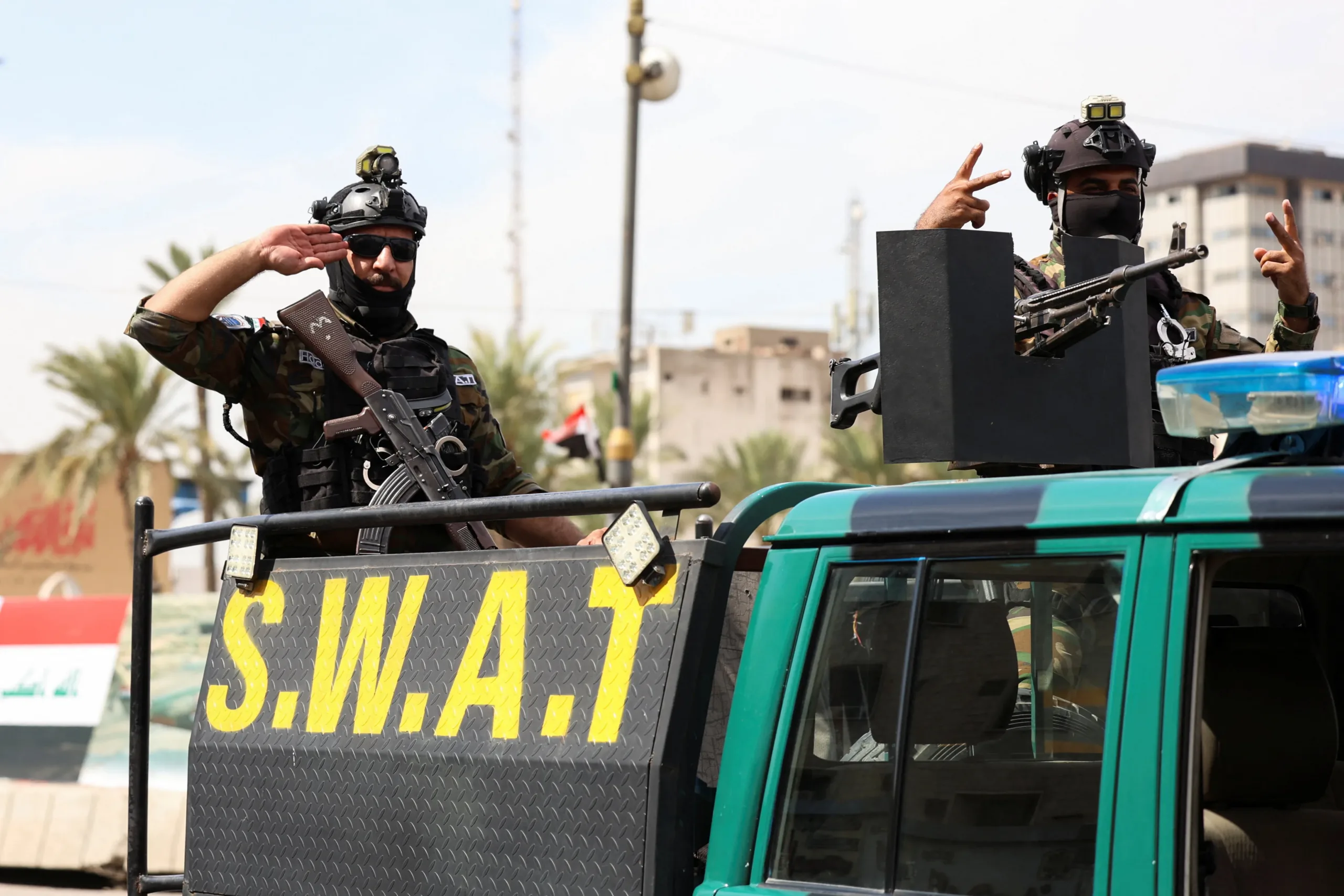
Erbil, Iraq. US forces ended their mission in Iraq on Wednesday, withdrawing mainly from an airbase in the semi-autonomous Kurdish region. The departure has raised fears of a security vacuum that could strengthen Iranian-backed Shi’ite militias and give the resurgent Islamic State group an opportunity to regroup.
Withdrawal agreed in 2024
Tehran and its allies celebrated the withdrawal as a victory. It was agreed in 2024 under President Joe Biden and carried out by Donald Trump’s administration even as it wages war against Iran.
Oil revenues held in New York
US leverage over Iraq stems in part from the management of Iraqi oil revenues through the Federal Reserve Bank of New York.
After the 2003 invasion, the US-led Coalition Provisional Authority established the Development Fund for Iraq at the New York Fed. It was designed to collect oil revenues for reconstruction and development and to protect them from lawsuits and claims related to Saddam Hussein’s rule.
An executive order by then-President George W. Bush established the arrangement and has been renewed by every president since. The fund later became an account of the Central Bank of Iraq at the New York Fed, where it remains.
Economic leverage
Oil accounts for about 90% of Iraq’s state budget, giving Washington significant influence over the country’s economic and political stability.
When the Iraqi government asked US troops to leave in 2020, Washington reportedly threatened to cut Iraq’s access to its funds at the New York Fed. Baghdad ultimately backed down.
This news item was generated automatically by Cyprus Inform from publicly available materials. Report an error →