West Nile virus cases in Cyprus rise to eight
Eight West Nile virus cases have been recorded in Cyprus this year, prompting mosquito-control measures and continued blood donation screening.
Nicosia, Cyprus. West Nile virus cases in Cyprus have risen to eight so far this year, with all patients treated at Nicosia General Hospital. Seven cases were recorded in the Nicosia district and one in Larnaca.
Health monitoring and response
Medical and health services remain on constant alert, with officials acting to eliminate mosquito breeding grounds at each patient’s home and in the surrounding neighbourhood when a new case is identified.
The relevant unit at the Ministry of Health continuously monitors the situation and notifies health services of confirmed cases so that the relevant protocols can be applied.
Blood donation screening
During periods of increased mosquito activity each year, blood donation screening is extended to cover the West Nile virus.
People carrying the virus without symptoms, as is the case for most people infected by mosquitoes, have been identified through blood donation screening. Such findings trigger the same mosquito-control response used for symptomatic patients.
Weather and mosquito breeding
Health Services director Herodotos Herodotou told Phileleftheros that mosquito activity had lasted longer than usual this year, largely because increased rainfall had created standing water where mosquitoes hatch.
He said the virus is transmitted to humans through infected mosquitoes. A mosquito becomes infected after biting a bird and can then pass the virus to a person. Authorities cannot track or control bird movements, making constant monitoring necessary.
Control measures and public prevention
When a case is confirmed, Health Services first inspect and spray the patient’s home to eliminate adult mosquitoes. Officials then conduct door-to-door inspections and spraying at every house in the surrounding area, targeting both adult mosquitoes and larvae.
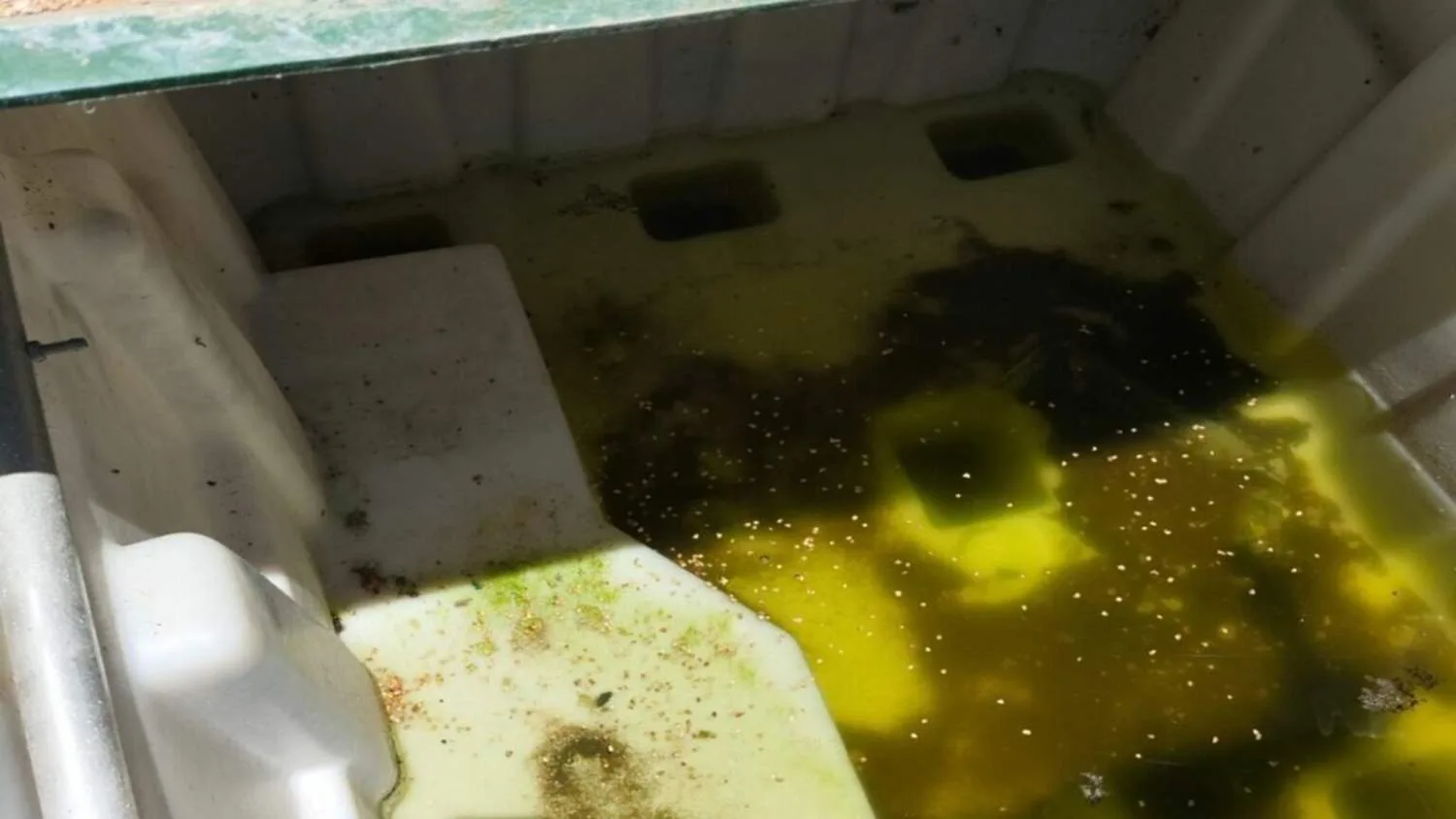
Herodotou said residents were not taking sufficient measures to prevent mosquito breeding. Standing water, sometimes left for more than a week, is often found in buckets, flowerpots, jars and decorative items in gardens and yards.
Similar conditions are found in fields, empty plots and streets, he said, noting that any container capable of holding water can become a mosquito breeding site after rainfall.
This news item was generated automatically by Cyprus Inform from publicly available materials. Report an error →