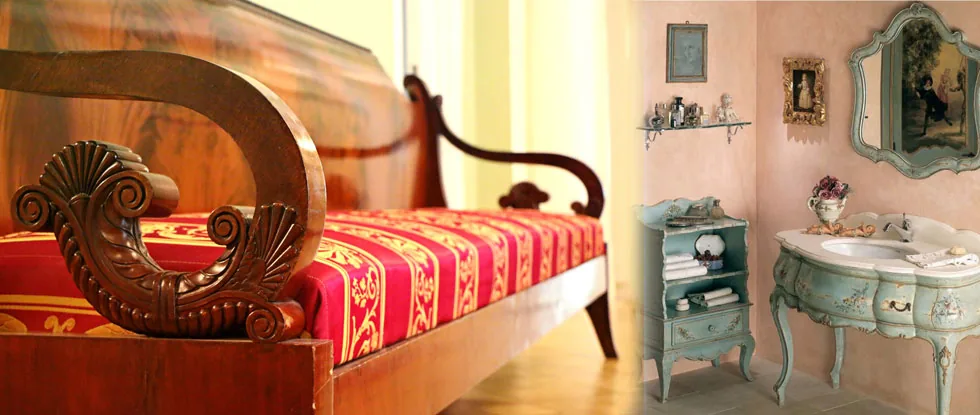
Service description
When choosing furniture, in addition to its functionality, purpose, materials and what’s included, we pay attention to its style. It is the style that sets the tone for the interior, lends it its own distinctive character and fills the space with a unique atmosphere, characteristic of each style.
Furniture styles vary by type, each of which is constantly evolving in its own direction, being modernised and adapted.
Classicism
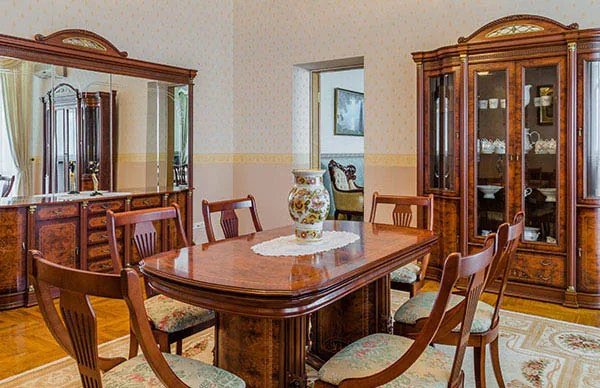 Classical-style furniture belongs to the historical category of interior design and is among the most expensive. It is highly practical, crafted from fine woods, has a formal and dignified appearance, and is suitable for any room — the dining room, kitchen, living room, bedroom and bathroom.
The following features lend classic furniture its distinctive character:
- carved decorations;
- bronze, ivory or brass fittings;
- slender legs that taper towards the bottom;
- wide, curved backrests on sofas and armchairs;
- upholstery in leather or fine fabric with floral patterns;
- lacquered and wax-polished wooden surfaces and fronts;
- an aged finish.
A solid rectangular or oval table, an even number of chairs (6–8) and a chest of drawers with glass doors will look excellent in the dining room. In the kitchen, opt for a kitchen unit in neutral, natural colours. The living room will be adorned with a sofa with leather or fabric upholstery and a pair of armchairs. In the bedroom or children’s room, the focal point will be a bed with a headboard and soft upholstery, along with pouffes or benches, lamps, bedside tables and a dressing table. Classic modular furniture (open, closed or combined) is suitable for the bathroom – wall-mounted or floor-standing cupboards and shelves.
Empire
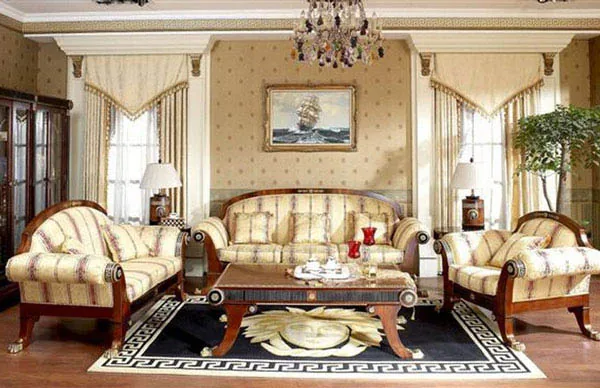 This style is also known as Imperial or Palace style, which speaks to the particular refinement and grandeur of such furniture. It is substantial, distinctive and well-suited to furnishing spacious rooms — a study, living room, dining room and even a bedroom.
Distinctive features of Empire-style furniture:
- dark woods;
- bronze fittings;
- furniture legs in the shape of lion’s paws;
- ornamental details in the form of griffins and eagles, mythical creatures, sphinxes and swans;
- wide armrests;
- upholstery made from thick, exquisite fabric;
- ornaments in Egyptian or classical styles;
- gold or silver patterns in the form of flowers and geometric shapes;
- low, deep, solid and rigid.
A spacious Empire-style living room can be furnished symmetrically with a sofa, armchairs, bookcases, a chest of drawers, a storage unit, a sideboard, a round coffee table and a chaise longue with a curved backrest. The bed takes centre stage in the bedroom, with cylindrical bedside tables on either side and a small daybed placed near the headboard.
Neoclassicism
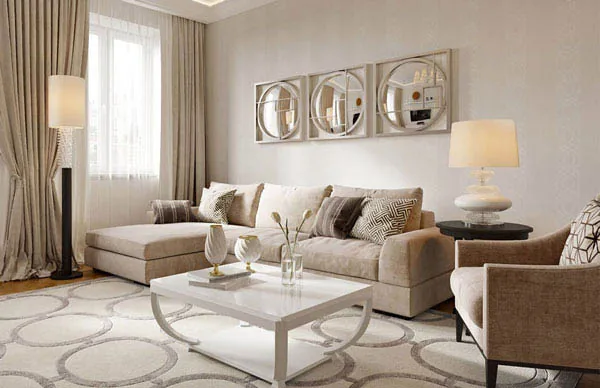 This style differs from Classicism in its even greater simplicity of construction and austerity of design. Neoclassical furniture is characterised by minimalism and restraint in detail, elegance and refinement – an excellent choice for those who value moderation in all things and prefer traditional classics with a modern twist.
Neoclassical furniture is characterised by:
- fine timber;
- velvet, velour and patterned cotton upholstery in understated, natural shades;
- oval backrests and seats on slender, curved legs with carved armrests;
- glass display cabinets, stained-glass panels and enamelled inlays.
To furnish a living room, for example, a sofa and armchairs (or a rocking chair), a small coffee table, a bookcase, a chest of drawers, a writing desk or a sideboard are sufficient. The pieces are arranged around the perimeter of the room, leaving the centre as uncluttered as possible. In the bedroom, in addition to the bed, you will need to include a bench, a chest of drawers, a dressing table and bedside tables.
Baroque
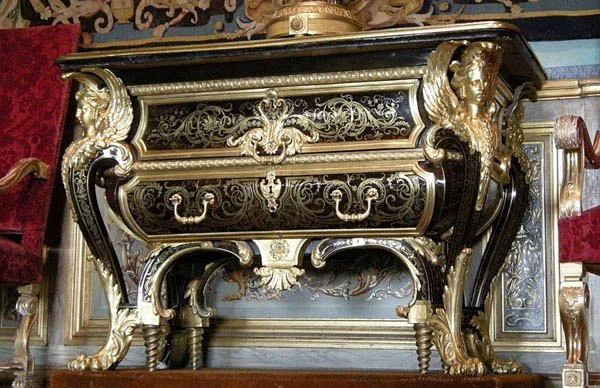 Fancy and eccentric — this is precisely how this style was characterised during its heyday (17th–18th centuries). Prone to excess, the style has gained great popularity in modern times and is widely used in home interior design.
Baroque-style furniture has the following characteristics:
- the use of expensive materials;
- beautiful carving;
- the use of small decorative gilded details;
- the use of metalwork;
- a cracked and aged finish.
Unlike the Classical, Neoclassical and Empire styles, Baroque furniture fits perfectly into absolutely any room, combining monumental opulence with contemporary trends.
Rococo
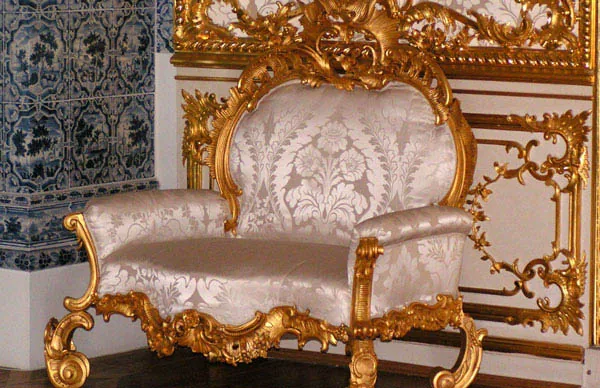 The key features of the Rococo style are elegance and grace. It focuses on domestic comfort with a certain touch of whimsy, which is evident in its asymmetrical forms and unusual contours.
Rococo-style furniture is characterised by:
- the absence of straight lines;
- curved elements and spiral-like scrolls;
- bronze inlays on polished lacquered furniture surfaces;
- deep and wide armchairs with high backrests.
Typical pieces of furniture in this style include a secretaire on tall carved legs and a chest of drawers. The secretaire serves as a writing desk with a chest of drawers in which documents and stationery can be stored.
Art Nouveau
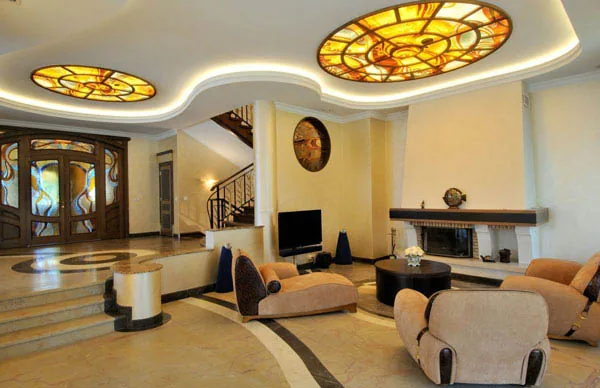 The Art Nouveau style refined and incorporated into the styles of its predecessors a variety of forms and intricate techniques in interior design and furniture decoration.
Art Nouveau furniture is recognisable by the following features:
- designer furniture made from fine woods and metal;
- fanciful shapes and non-standard dimensions;
- smooth/curving lines and whimsical bends;
- the use of dark colours;
- patterns featuring flowers, birds, butterflies or fantastical creatures;
- a matt finish on components;
- inlays of precious materials (brass, silver, ivory, mother-of-pearl, etc.);
- subdued upholstery colours.
Examples of refinement and luxury also include English and American-style furniture, interior pieces with understated details in the Provençal and high-tech styles, the free-flowing and minimalist industrial, rustic and Chinese styles.
When choosing furniture, the size of the room is an important factor. Historical furniture styles are suitable for furnishing large rooms, whilst modern and ethnic-style furniture will look particularly good in smaller flats.


