Cyprus rejects Libya’s ratification of maritime boundary agreement with Turkey
Cyprus and Greece condemned Libya’s parliamentary approval of the 2019 maritime agreement with Turkey, saying it breaches international law and other states’ sovereign rights.
Nicosia, Cyprus. Cyprus’ foreign ministry on Friday condemned the Libyan parliament’s ratification earlier that day of a maritime boundary accord with Turkey, describing the agreement as unlawful and legally invalid.
Cyprus challenges agreement’s legal basis
The ministry said the 2019 Turkish-Libyan memorandum infringed the sovereign rights of other states and conflicted with recognised principles under the United Nations convention on the law of the sea.
It also said the accord breached customary international law governing islands’ maritime entitlements, including their exclusive economic zones and continental shelves. The ministry maintained that the memorandum was therefore without legal validity and could have no legal effect on third states.
Parliamentary approval and Turkish visit
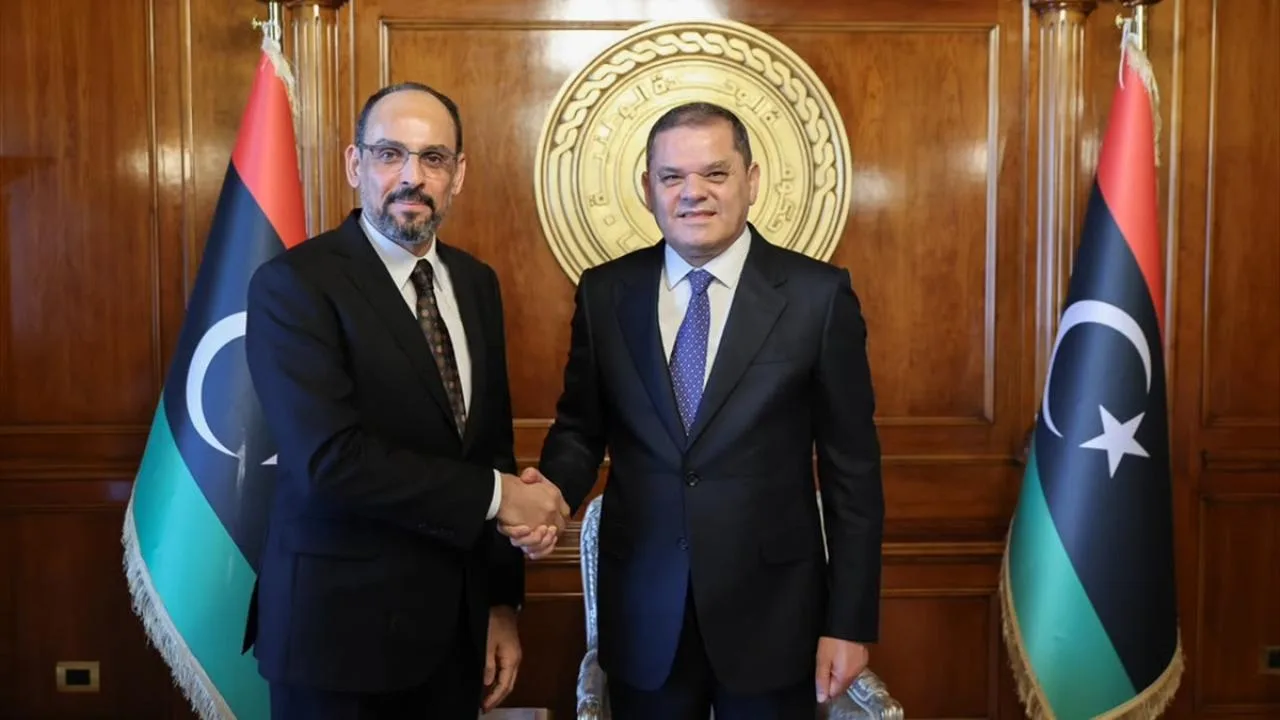
Abdullah Bliheg, spokesman for Libya’s parliament, announced earlier on Friday that lawmakers had approved the agreement unanimously. The vote coincided with a visit to Libya by Ibrahim Kalin, chief of Turkey’s national intelligence organisation (Mit), for talks with Abdulhamid Dibeybe, Prime Minister of Libya’s government of national unity.
Turkey concluded the accord in 2019 with Libya’s government of national accord, but legislative ratification had remained outstanding until Tuesday. In 2021, the government of national unity replaced that administration and is now Libya’s only internationally recognised government.
Under the agreement, Turkey and Libya recognise a shared boundary between their exclusive economic zones in the Mediterranean, southeast of the Greek island of Crete.
Greece also rejects the decision
Greece’s foreign ministry strongly rejected the parliamentary approval, saying it did not alter the memorandum’s unlawful and legally invalid status. The ministry said the accord conflicted with international maritime law and infringed the sovereign rights of countries in the region.
It argued that unilateral parliamentary decisions without a legal foundation could alter neither geography nor international maritime law. Turkey and Libya lack opposite or adjoining coastlines that could legally support the proposed maritime delimitation, it said.
The Greek ministry also said the agreement ignored Greek islands and their maritime entitlements under the United Nations convention on the law of the sea, known as Unclos, and customary international law.
This news item was generated automatically by Cyprus Inform from publicly available materials. Report an error →