WISTA Cyprus vice-president questions AI’s role in leadership communication
Maria Theodosiou says AI can imitate empathy and craft persuasive messages but cannot replace the personal ties and trust on which shipping depends.
Nicosia, Cyprus. WISTA Cyprus vice-president Maria Theodosiou has questioned businesses’ increasing reliance on artificial intelligence to communicate, arguing that convincing messages and simulated empathy cannot substitute for the relationships and trust underpinning shipping.
Technology and human leadership
In a post on her personal platform, Theodosiou described a contradiction in contemporary leadership: businesses devote substantial effort to strengthening communication skills and emotional intelligence, yet increasingly entrust their communications to AI.
She said this willingness to delegate communication raised questions about what people might lose, despite their recognition of the importance of interpersonal skills. In her view, leaders are developing distinctly human capabilities while adopting technology that can mimic them.
Theodosiou acknowledged that AI can generate persuasive text and organise messages carefully, but questioned whether those abilities demonstrate real understanding.
A workshop prompts reflection
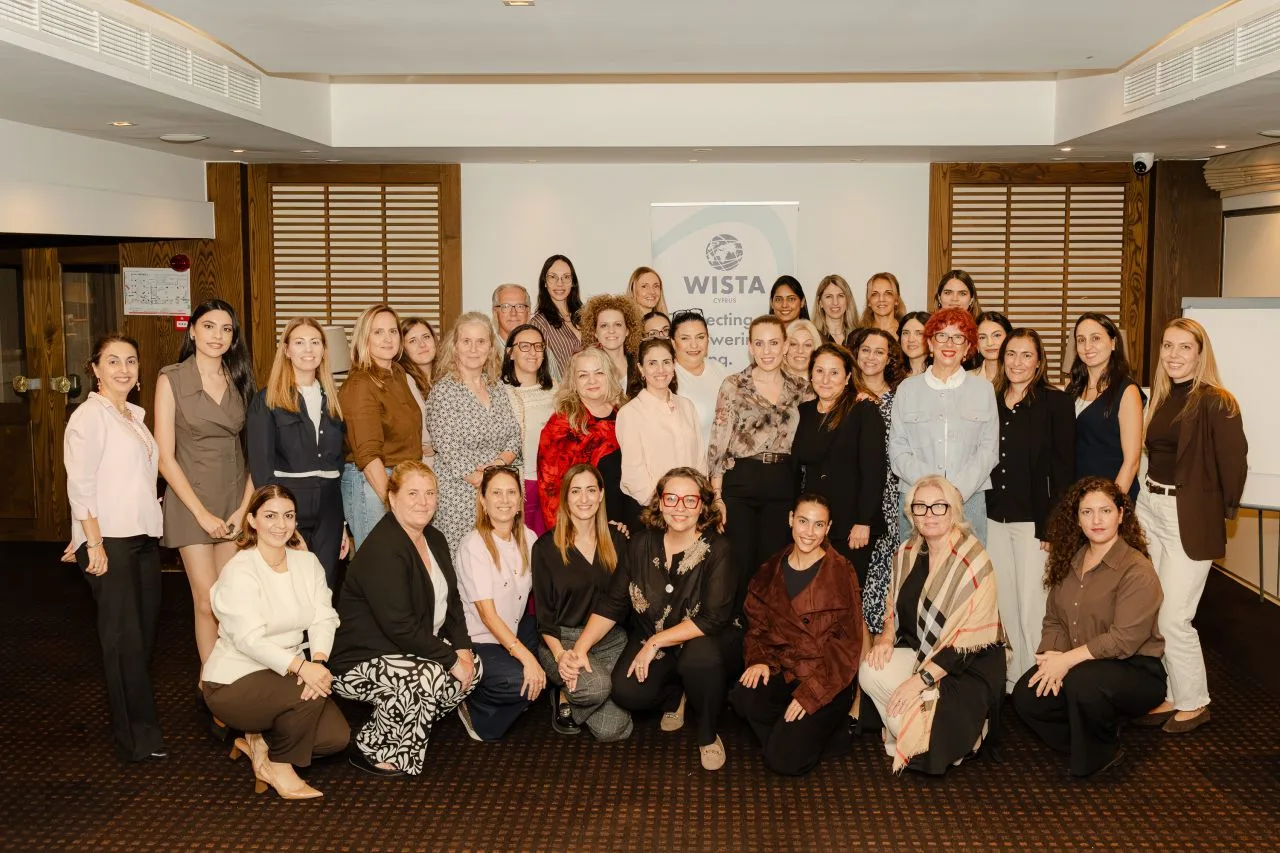
Her observations came after a three-hour leadership workshop organised by WISTA Cyprus. Delivered by Sofia Rizou under the title The Art of Leadership, the session used interactive activities and role-playing to examine emotional intelligence, non-verbal communication, body language and the impact of words.
Theodosiou said the experience led her to reflect on the time people spend trying to understand others through language, tone and behaviour.
She explained that efforts to become better communicators encompass facial expressions, gestures, storytelling and emotional intelligence. People invest that time, she said, because words affect emotions, shape relationships and help establish trust.
Examining AI’s capabilities
Theodosiou said the issue had taken on particular interest as she advances through MIT’s AI-Driven Leadership programme, which explores how emerging technologies affect organisations and their management.
Alongside studying AI’s possibilities, she has been examining the characteristics that set human leadership apart from technological capabilities. Her reflections centre on whether technology’s ability to reproduce the outward features of communication can match the understanding behind human interaction.
This news item was generated automatically by Cyprus Inform from publicly available materials. Report an error →