Five Sydney air traffic controllers rated high fatigue risk during Qantas near-miss
Internal records showed five of 10 controllers on duty during a July Qantas near-miss at Sydney Airport were assessed as high fatigue risk.
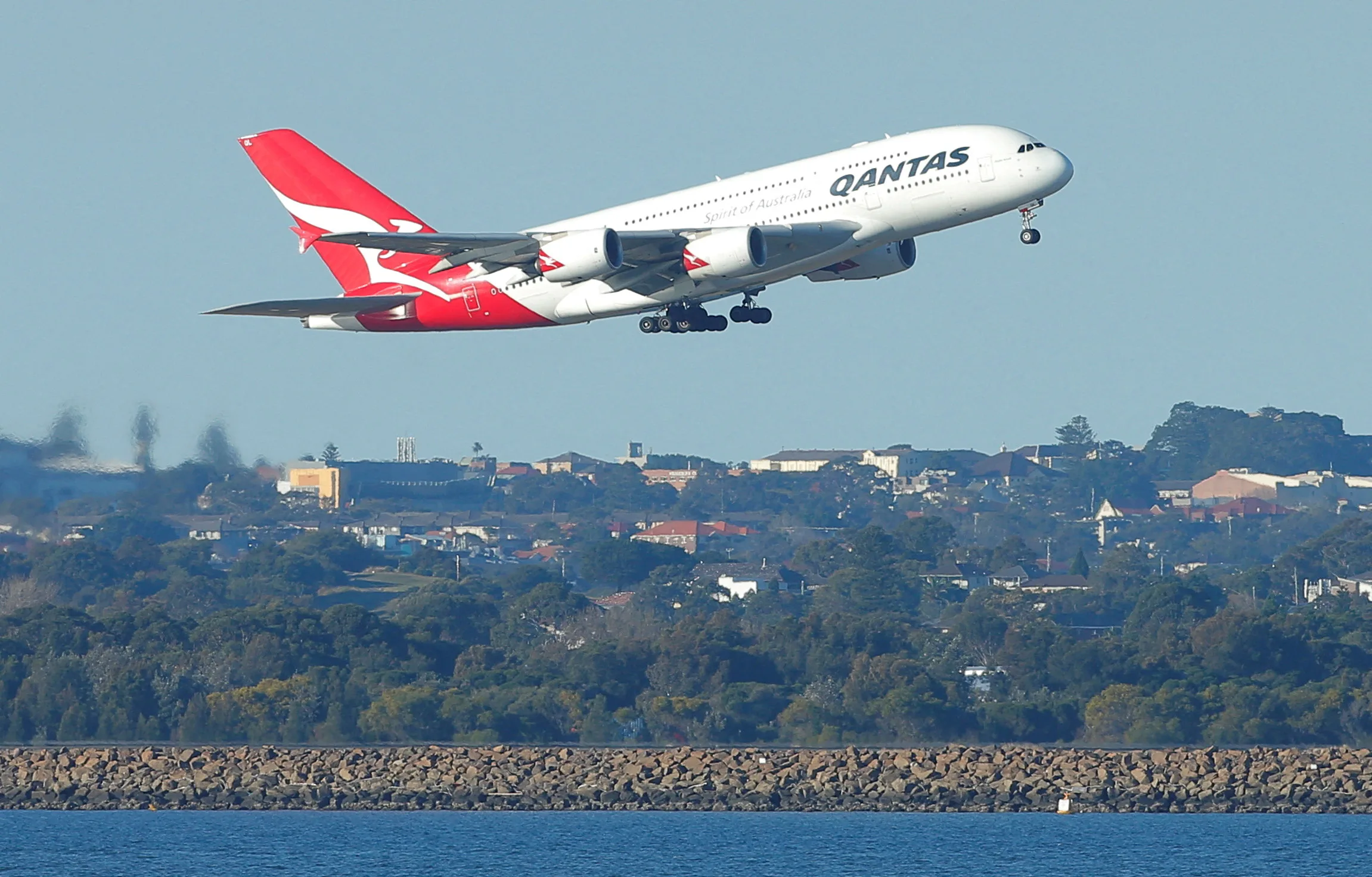
Sydney, Australia. Five of the 10 air traffic controllers on duty when two Qantas aircraft nearly collided at Sydney Airport on July 27 had been assessed as facing a high risk of fatigue, according to internal records reviewed by Reuters.
The incident was the first of six near-misses at Sydney Airport in about a month, prompting increased scrutiny of air traffic control staffing and fatigue.
Fatigue risk assessments
A landing Qantas turboprop narrowly avoided a Qantas Boeing 737 that had been cleared to cross the runway during the July 27 incident.
Internal records showed that five of the 10 controllers on duty were rated “H” for high fatigue risk under Australia’s fatigue-management system. One controller was rated “M” for medium risk, one was rated “L” for low risk, and three were not ranked as being at risk of fatigue.
“We’ve got like five high fatigues on this morning. It’s a bit insane,” a controller shift manager told an air traffic management director in an internal call after the near-miss.
“Thankfully, they didn’t hit, but it was pretty close and everyone up here is pretty rattled by it,” he said in a recording reviewed by Reuters.
The shift manager said two of the three controllers directly involved in the incident were rated as high fatigue risk, while the third was rated as medium risk.
Investigations underway
Airservices Australia, the government agency that employs Australia’s air traffic controllers, declined to comment, citing the ongoing investigation.
The Australian Transport Safety Bureau is investigating all six near-misses to determine whether they share common safety issues or contributing factors.
The fatigue-management system does not measure whether a controller is actually fatigued. It uses an automated assessment of factors including workload and scheduling to estimate fatigue risk.
Depending on the rating, controllers may be subject to mitigation measures approved by local shift managers or an air traffic management director, who may be based in another city. Measures can include longer breaks, limits on traffic volumes handled by a controller, or ending a shift early.
This news item was generated automatically by Cyprus Inform from publicly available materials. Report an error →