Seasonal fruit in Cyprus: month-by-month guide
An indicative Cyprus calendar for citrus, strawberries, loquats, watermelons, figs, grapes and pomegranates, allowing for weather and region.
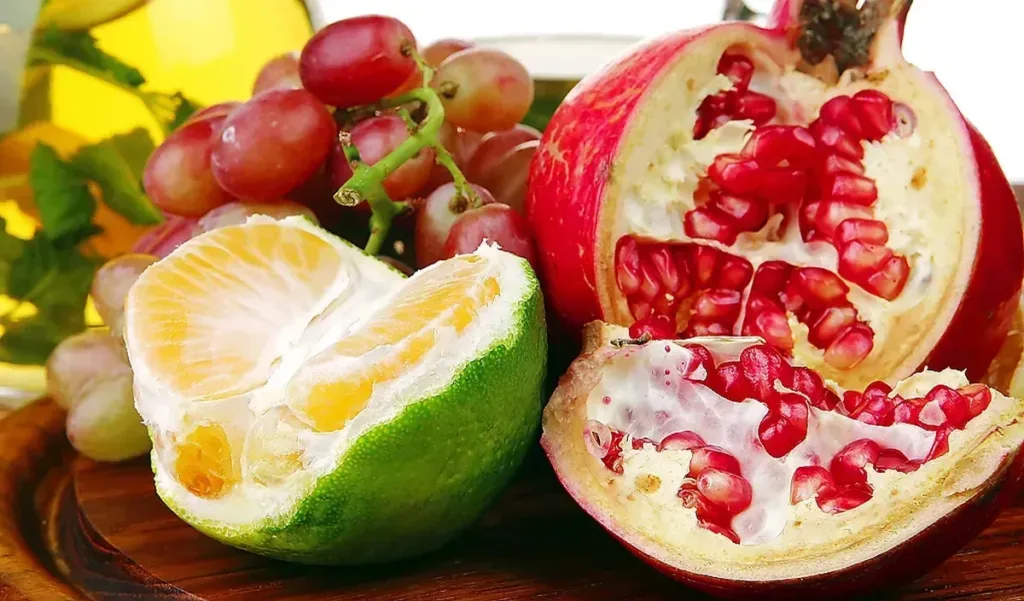
In brief: local citrus and strawberries are especially visible in winter and spring; loquats and mountain cherries in late spring; melons, watermelons and early grapes in summer; and figs, grapes and pomegranates from late summer into autumn. Treat this as a guide, not a fixed timetable: harvest dates vary with weather, altitude, variety and district.
Indicative calendar
| Period | What to look for |
|---|---|
| December–February | Oranges, mandarins, lemons and grapefruit; the strawberry season begins |
| March–April | Late citrus, strawberries, first loquats and early stone fruit |
| May–June | Loquats, apricots, peaches, nectarines, mountain cherries and early melons |
| July–August | Watermelons, melons, peaches, nectarines, plums, figs and early grapes |
| September–October | Grapes, figs, pomegranates, late melons and some pear varieties |
| November | Pomegranates, persimmons and the first fruit of the new citrus season |
Overlaps are normal. Different varieties, growing areas and storage mean that the same fruit can remain on sale beyond its main harvest window.
How to tell local season from shelf availability
Fruit in a supermarket is not necessarily grown in Cyprus or harvested now. Look for the country of origin on the label or packaging. At a market, ask whether the produce is local and which district it comes from. Seasonality is best indicated by three things together: stated origin, plentiful supply from several sellers and the ripeness typical of a fresh harvest.
Fresh local produce is closely associated with Cypriot food culture, as the official Visit Cyprus gastronomy section explains. A destination overview, however, does not replace the label on an individual batch.
Fruit associated with each season
- Citrus: the clearest winter marker; lemons may be available for much longer.
- Loquats: a short spring season, so buy ripe fruit and use it quickly.
- Mountain fruit: cherries, apples and some pears come from cooler areas and may appear later than coastal produce.
- Figs and grapes: strong signs of late summer; timing varies substantially by variety.
- Pomegranates: a typical autumn choice that stores well and can remain available after harvest.
Buying and storing
Buy soft fruit in small quantities, especially in hot weather. Figs, loquats and ripe stone fruit bruise easily and should not be left in a car. Refrigerate cut melon or watermelon. Wash produce under running water before eating, even if you do not eat the skin.
For professional information on crop production, producer registration and current agricultural programmes, use the official Cyprus Department of Agriculture website. This calendar is intended for shopping choices, not crop or business planning.
How to use this guide
- Choose your travel period and two or three fruits of interest.
- Check the origin of the actual product.
- Compare market and supermarket supply.
- Allow for harvest shifts after heat, a cool spring or rain.
The season is a range, not a specific date
The start and end of the harvest vary depending on the weather, the region, the altitude and the variety. The calendar shows a typical window, but does not guarantee the product will be available in a specific week. Early and late varieties may be sold side by side, and one crop may run out sooner than another.
Year-round availability is often down to imports, storage or greenhouse cultivation. This doesn’t make the produce any worse, but it answers a different question. If the local season is important to you, look for the country of origin and ask the seller about the region and harvest date.
Don’t assume fruit is ‘local’ simply because of the price, ripeness or how the stall is displayed. Batch labelling and the seller’s word are more reliable. At a market, a single stall may be selling both its own harvest and purchased goods at the same time.
How to judge ripeness
Assessment depends on the type: colour isn’t always enough; smell and firmness are judged differently. Ask when the produce is best eaten and whether it needs time to ripen. Don’t go through the whole stall; ask the seller to select options for today and for the next few days.
Damage to the skin, mould, leaks and a fermented smell call for caution. Minor external imperfections may be normal, whilst hidden bruising may shorten the storage life. For transport, choose firmer fruit and pack them separately from heavier purchases.
Do not taste unwashed fruit unless the shopkeeper has arranged a safe tasting session. At home, wash your hands and the fruit according to the appropriate guidelines. Discuss any individual allergies or medical restrictions with your doctor.
Purchasing and storage
Buy only as much as you can eat. Heat in the car quickly reduces quality, so it’s best to leave the market until the end of your journey. Use a cool bag for perishable items and do not leave your shopping in the car park.
Sort the fruit according to ripeness and any damage. A single spoiled item can cause others to spoil more quickly. Fridge conditions are not suitable for every type of fruit: some fruits lose their aroma or are damaged by the cold, so follow the recommendations for the specific product.
If buying a gift, check the import regulations of the destination country. Fresh plants, seeds and certain products may require phytosanitary certificates or may be prohibited. Buying from an official market does not exempt you from border requirements.
How to update the calendar
Record your observations, noting the date, region, variety and origin. A single photograph of a market does not prove that the produce is in season nationwide. To update the calendar annually, compare data from several locations and information from agricultural authorities.
Distinguish between harvest facts and recipes or travel recommendations. The former requires information on origin and harvest period; the latter may remain ‘evergreen’. If the year is unusual, explain any deviations without rewriting the standard calendar as a permanent rule.
Three questions are enough for the buyer: where does the batch come from, when was it harvested, and how should it be stored? The answers turn a general calendar into a practical guide and help avoid confusing product availability with the local season.
Official sources
Information checked on 8 September 2026. The calendar is indicative; confirm the origin and freshness of the actual batch when buying.